 Translate
Tom (Thomas George) Vellaringattu
Vision, Mission & Philosophy — Imagine What Could Be. Then Build It.
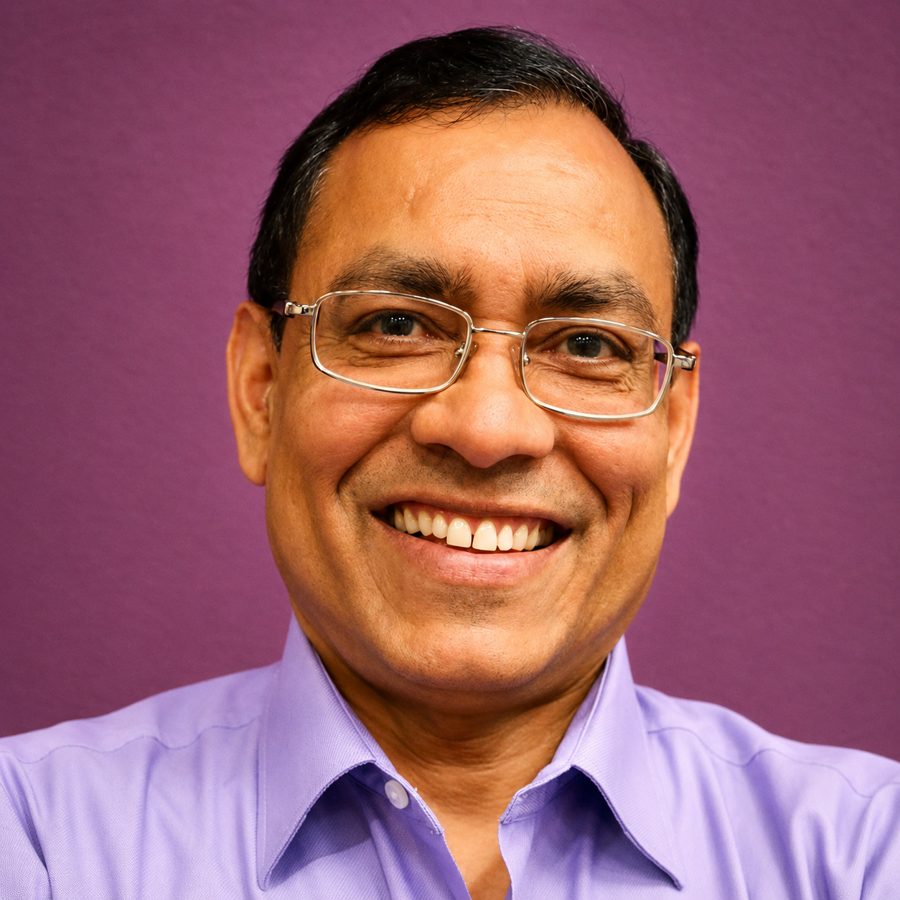
Imagine What Could Be. Then Build It.
Tom (Thomas) Vellaringattu believes that meaningful progress begins with a willingness to imagine something that does not yet exist. His guiding philosophy is inspired by Albert Einstein's words:
Imagination is more important than knowledge. Knowledge is limited. Imagination encircles the world.
For Tom, this does not mean that knowledge is unimportant. Quite the opposite: knowledge provides the foundation, but imagination provides the direction.
- •Knowledge tells us what has been done. Imagination asks what could be done.
- •Knowledge helps us understand the world as it is. Imagination gives us the courage to envision the world as it could be.
That distinction has become a central philosophy behind Tom's entrepreneurial, culinary, technological and community-oriented endeavors.
His Vision
To imagine, create and connect ideas that can make everyday life better for people, communities and the world around us.
Tom's vision is not limited to one company, profession or industry. It is a belief that seemingly unrelated ideas can be connected to create something new.
His long-term vision is therefore to continue creating useful platforms, businesses, services, content and communities that turn ideas into practical tools for people.
To imagine a better possibility, connect people and ideas, and turn those possibilities into practical creations that make life more connected, informed, sustainable and meaningful.
The Philosophy: Imagination Before Limitation
Tom's interpretation of Einstein's philosophy is simple:
Don't begin with "Can this be done?" Begin with:
"What if it could be done?"
Only after imagining the possibility should we ask:
This philosophy allows imagination to become the starting point, while knowledge, experience, experimentation and persistence become the tools for turning imagination into reality.
Knowledge Is the Foundation. Imagination Is the Horizon.
Tom does not see imagination and knowledge as competitors. He sees them as partners.
Knowledge without imagination can keep us within the boundaries of what is already known. Imagination without knowledge can remain only an idea. But:
This is the philosophy Tom seeks to apply to his current endeavors and to everything he may undertake in the future.
From Food to Ideas
Tom's entrepreneurial journey illustrates this philosophy.
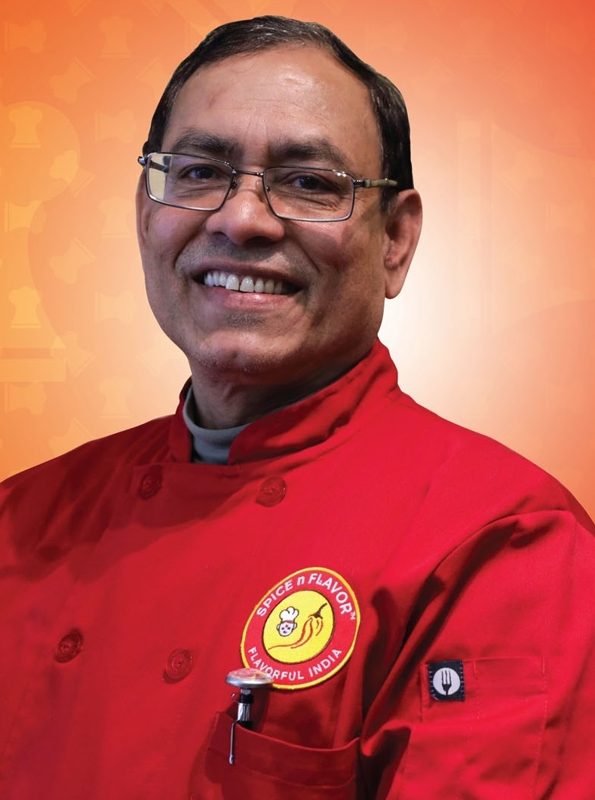
Spice n Flavor began in 2000 as an Indian spice-blend enterprise in New York, introducing multiple spice blends under the brand India's Spice n Flavor. Later, he opened the Spice n Flavor restaurant in San Jose and pursued food delivery and culinary ventures.
These experiences demonstrate an important part of his philosophy: an idea doesn't have to remain in one form.
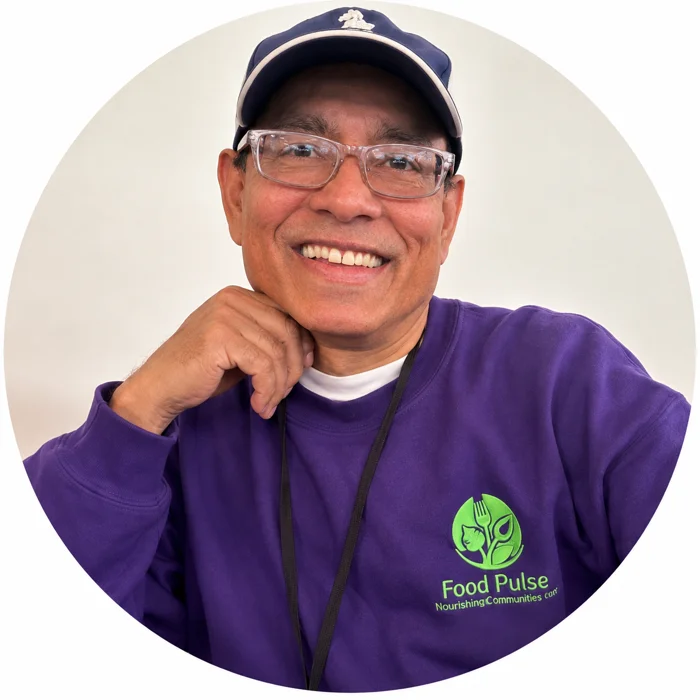
Food, Community & Food Waste
Tom's vision extends beyond preparing and selling food. He sees food as one of the greatest opportunities to connect:
Farmers → Producers → Restaurants → Stores → Families → Communities → Charities
The goal is not simply to ask "What food can we sell?" but also:
This way of thinking is central to the broader FoodPulse concept: using technology, information and community participation to help people discover food, save money, share surplus and reduce waste.
Building Connections
A recurring theme in Tom's ideas is connection. Connecting:
This is why his projects can appear diverse while sharing a common foundation. The subject changes. The philosophy does not.
Travel & Exploration
Travel represents another expression of imagination. Every journey begins with an imagined destination:
"What would it be like to go there?"
Tom's vision for TravelerPulse and travel-related projects is to make that journey more informed and organized—helping travelers research airlines, airports, destinations, travel requirements, packing, safety, transportation and their own travel history.
The objective isn't simply to provide information. It is to help people imagine, plan, experience and remember their journeys.
Nature & the Future
Tom's interest in nature and environmental information reflects another dimension of his philosophy. A future in which people can document:
can transform scattered observations into a collective understanding of our planet. The idea is simple:
If we imagine a living digital museum of the natural world, what could humanity learn from it?
That question can lead to something much larger than a database. It can become a way of encouraging people to observe, document, appreciate and protect nature.
Preserving People & Memories
Another expression of this philosophy is the idea that technology should preserve things that might otherwise disappear.
Tom's projects involving family and alumni connections reflect the belief that technology should not only create the future—it should preserve the past.
Entrepreneurship as an Experiment
Tom sees entrepreneurship less as a straight road and more as a continuous experiment. An idea may:
Work → Grow → Change → Fail → Teach → Reappear in another form
A discontinued project is not necessarily a failure. It can become: knowledge for the next idea.
His Mission
Tom's mission is to transform imagination into useful reality. He seeks to:
- •Imagine beyond conventional boundaries.
- •Identify problems that affect everyday people.
- •Connect ideas that are normally treated separately.
- •Use technology to make solutions accessible.
- •Create platforms that encourage participation rather than passive consumption.
- •Preserve knowledge, memories and experiences.
- •Reduce waste and encourage responsible use of resources.
- •Connect people, communities and cultures.
- •Learn continuously from experimentation.
- •Leave behind useful ideas and tools that can continue evolving.
A Philosophy for Every Future Endeavor
Tom's future projects do not have to belong to a particular industry. They could involve:
The common thread is the question:
"What if we could make this better?"
That question is often more important than knowing the answer beforehand.
Tom's Personal Principles
- 1.Imagine First
Don't allow today's limitations to define tomorrow's possibilities.
- 2.Learn Continuously
Knowledge provides the tools necessary to turn ideas into reality.
- 3.Connect the Unconnected
Some of the best ideas emerge when two unrelated concepts are brought together.
- 4.Build for People
Technology has value when it makes people's lives better.
- 5.Experiment
Ideas become meaningful only when someone is willing to try.
- 6.Learn From Failure
A failed experiment can be valuable knowledge for the next attempt.
- 7.Think Beyond the Present
Build things that may become more useful tomorrow than they are today.
- 8.Share Knowledge
Ideas become more powerful when other people can build upon them.
- 9.Preserve What Matters
People, memories, culture, food, nature and knowledge deserve to be documented.
- 10.Never Stop Imagining
There is always another problem to solve, another connection to make and another possibility to explore.
His Broader Purpose
At the heart of Tom's vision is a simple belief:
The world does not need more information alone. It needs people who can imagine what to do with that information.
The internet has made enormous amounts of knowledge accessible. Artificial intelligence is making information even easier to obtain. But information by itself does not create progress.
That is where Tom sees his role.
A Personal Vision Statement
I want to spend my life imagining possibilities, learning what is necessary to make them real, and creating things that can help people, communities and the world.
I don't want to be limited by what already exists. I want to ask what could exist. I believe knowledge gives us the foundation, but imagination gives us the courage to build beyond it.
Every idea begins as an imagination. Every creation begins as a possibility. Every meaningful change begins when someone decides to try.
Tom's Guiding Thought
"Imagine beyond what you know. Learn what you need. Build what you imagine."
Imagination is more important than knowledge. Knowledge is limited. Imagination encircles the world.
This is especially fitting because Einstein's original context was not a rejection of knowledge; he was describing the role of imagination and intuition in discovery. The fuller version says imagination can stimulate progress and function as a factor in scientific research.

