The Essence of Ciampino–G. B. Pastine International Airport
A closer look
Living guide content for Ciampino–G. B. Pastine International Airport — read or listen in 46+ languages.
Let's be honest: Ciampino isn't Rome's gastronomic showpiece. As a compact, low-cost-carrier airport, its airside dining options are modest but perfectly serviceable for a pre-flight bite. The main departures hall houses a handful of cafés and a self-service food court operated largely by familiar Italian concession brands. Don't expect white tablecloths, but do expect a decent espresso pulled with Roman confidence — the bar staff here take their coffee seriously, even at a budget terminal.
For something more substantial, the Spizzico outlet offers slices of Roman-style pizza al taglio, thick and generously topped, which is genuinely satisfying if you grab a freshly baked tray. There's also a Roadhouse Grill if you want a sit-down meal with pasta, burgers, and a glass of house wine to ease the wait. Grab-and-go panini counters stock prosciutto, mozzarella, and porchetta rolls that are far better than their airport context might suggest — porchetta in particular is a Castelli Romani staple, and Ciampino sits squarely in that culinary heartland.
The smartest move is to treat the airport café as Romans do: stand at the bar, order a cornetto and a cappuccino if it's morning, or a short espresso and a tramezzino if it's afternoon, and call it done. Prices are airport-inflated but not egregious by international standards. If you have time to kill, pick up vacuum-packed local products — olive oil, dried pasta, or regional biscotti — at the small retail area near the gates. They make honest edible souvenirs and keep you from arriving hungry at your destination.
Rome's historic secondary airport serving low-cost carriers.
- ›One of the oldest airports in Europe, established during World War I in 1916.
- ›Served as Rome's main commercial airport until Fiumicino opened in 1961.
- ›Shares the airfield with the Italian Air Force.
- ›Named after Italian aviation pioneer Giovanni Battista Pastine.
- ›Operated by Aeroporti di Roma alongside Fiumicino Airport.
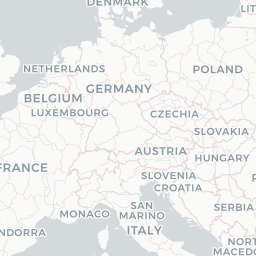
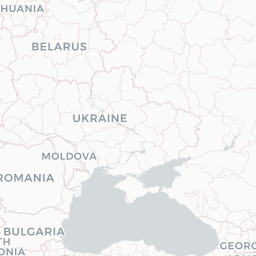
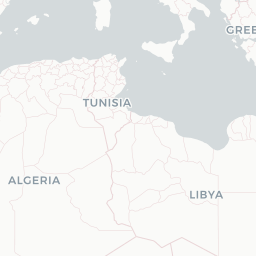
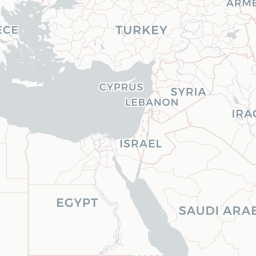
Route map (48 destinations)

Airlines serving this airport
Routes
Aircraft operating here
Stay, Eat & Explore: Rome
The Eternal City
- •Colosseum & Roman Forum — The amphitheatre of the emperors and the heart of ancient Rome.
- •Vatican Museums & Sistine Chapel — Michelangelo's ceiling and 9 km of papal collections.
- •St. Peter's Basilica — The dome above Christendom — climb it at dawn.
- •Pantheon — The best-preserved Roman building, its oculus open to the sky since 126 AD.
- •Trevi Fountain & Spanish Steps — Toss a coin, then climb to Trinità dei Monti.
Getting around: Walk the centro storico; Metro lines A/B skirt it. The Leonardo Express links Fiumicino to Termini in 32 minutes.
Pick what matters for your layover or early flight, then compare on your favorite booking site.
TravelerPulse may receive compensation when you book or purchase through some of the links on this page, at no additional cost to you. Prices and availability are set by the booking provider and may change. We never share your private trip details with partners — only the destination, dates and party size you searched.
City & Place Guide
No guide exists for this place yet — Click to generate a Traveler Pulse guide.
Passport, Visa & Immigration
Flying internationally via CIA? Check entry, transit and customs requirements for Italy from official government sources.

Rome Ciampino G. B. Pastine Airport is Rome's secondary international airport serving Rome, its metropolitan area, Vatican City, and the wider Lazio region. It is Rome's second international airport after Leonardo da Vinci–Rome Fiumicino Airport. It is a joint civilian, commercial and military airport situated 6.5 NM south southeast of central Rome, just outside the Greater Ring Road, the circular motorway around the city.
Read full article on WikipediaLatest news

Ciampino
Ciampino is a city and comune in the Metropolitan City of Rome, Lazio, Italy. It was a frazione of Marino until 1974, when it became a comune; it obtained the city status in 2004 by a presidential decree.
Read on WikipediaText from Wikipedia, licensed under CC BY-SA. May be out of date — verify important details.
