 Translate
The Essence of Spriggs Payne Airport
A closer look
Living guide content for Spriggs Payne Airport — read or listen in 46+ languages.
Monrovia's city-center domestic and regional airport.
- ›Named after James Spriggs Payne, the fourth President of Liberia.
- ›Serves as a secondary airport to Roberts International Airport (ROB), which handles most international flights.
- ›Located within Monrovia city limits, offering convenient city-center access.
- ›Has a single paved runway suitable for smaller regional aircraft.
- ›Operations have been periodically disrupted by Liberia's civil conflicts during the 1990s and early 2000s.
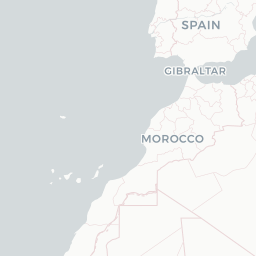
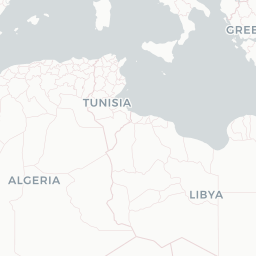
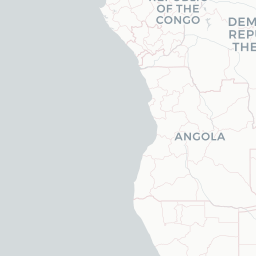
Route map (2 destinations)






Airlines serving this airport
Routes
Aircraft operating here
Pick what matters for your layover or early flight, then compare on your favorite booking site.
TravelerPulse may receive compensation when you book or purchase through some of the links on this page, at no additional cost to you. Prices and availability are set by the booking provider and may change. We never share your private trip details with partners — only the destination, dates and party size you searched.
City & Place Guide
No guide exists for this place yet — Click to generate a Traveler Pulse guide.
Passport, Visa & Immigration
Flying internationally via MLW? Check entry, transit and customs requirements for Liberia from official government sources.

James Spriggs Payne Airport is an airport located 5 kilometres (3 mi) from downtown Monrovia, the capital of the Republic of Liberia in West Africa. The airfield is located within the busy and thickly settled Sinkor section of the city, and is therefore convenient to the business and political districts of the capital. Whereas Roberts International Airport is the primary aviation facility for the city and indeed the entire country, Spriggs Payne has the only other paved runway in Liberia and once had the only other international commercial flights into and out of Liberia. The airport is named after James Spriggs Payne who was president of the Republic of Liberia in 1868–70 and again in 1876–78.
Read full article on Wikipedia
