
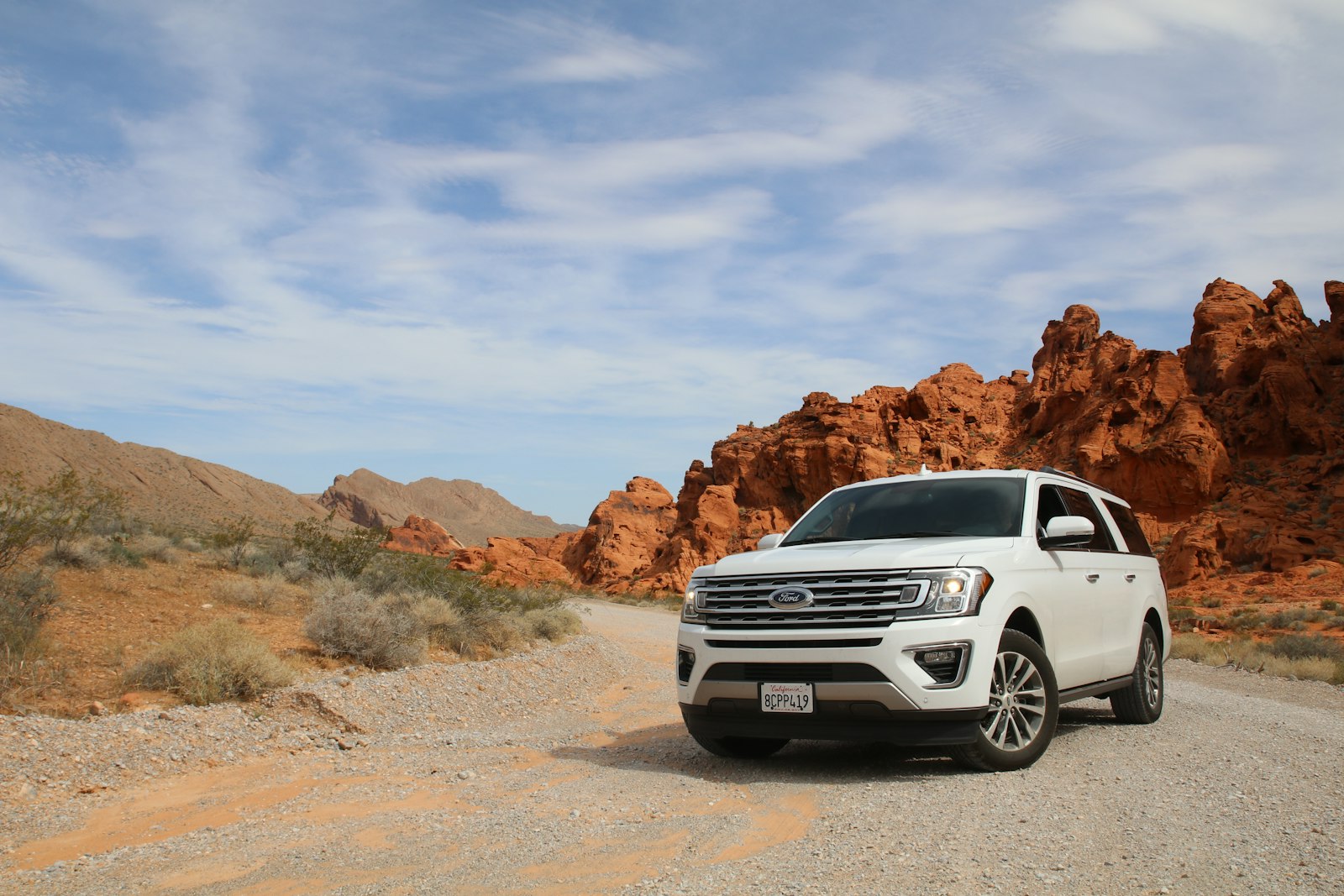
Rideshare platforms have expanded accessible transportation options significantly, but knowing how to find the right vehicle, understand your rights, and prepare for real-world variability makes all the difference between a frustrating experience and a seamless journey.
Why Accessible Rideshare Matters
For travelers with disabilities, mobility limitations, or other accessibility needs, reliable transportation is often the single greatest logistical challenge of any trip. Taxis have historically been inconsistent, public transit gaps are real, and rental cars require a license and physical ability to drive. Rideshare services — when used effectively — can fill that gap, offering on-demand transportation that reaches neighborhoods and hours that fixed-route transit often does not.
That said, accessible rideshare is not a uniform experience. Availability, vehicle types, driver training, and platform policies vary considerably by city, country, and provider. This guide gives you the practical knowledge to navigate those variables confidently.
Types of Accessible Rideshare Options
Most major rideshare platforms offer at least one dedicated accessible vehicle option in larger markets. Understanding what is actually available helps you book the right ride from the start.
- Wheelchair-Accessible Vehicles (WAV): These are purpose-built or converted vehicles with ramps or lifts and securement systems for manual or power wheelchairs. Availability is heavily concentrated in major metropolitan areas. In smaller cities and rural areas, WAV service may be absent entirely.
- Larger vehicle options (XL, SUV): Travelers who can transfer out of a wheelchair but need extra room for a folded chair, scooter, or other mobility equipment often book larger vehicle categories. Confirm with the driver before the trip that equipment will fit.
- Standard vehicles with driver assistance: Many platforms allow you to note in advance that you may need brief assistance. Drivers are generally not required to provide significant physical assistance, but courteous help with a door or a folded rollator is common.
- Paratransit partnerships: Some platforms partner with local transit authorities to provide subsidized or integrated paratransit alternatives. Check your local transit agency's website for any such programs in your destination city.
How to Book an Accessible Ride
The booking process for accessible rides varies by platform but generally follows a predictable pattern.
- Open the app and look for an accessibility or WAV option — it is typically listed alongside standard ride tiers. In some markets it appears automatically; in others you may need to navigate to an accessibility settings menu.
- Set your accessibility preferences in your profile if the platform supports it. This can pre-select accessible vehicles and communicate needs to drivers without requiring you to re-enter information each trip.
- Book with extra lead time. WAV availability is lower than standard vehicles, meaning wait times can be substantially longer — especially during peak hours or in less central neighborhoods. Plan conservatively, particularly for airport connections or time-sensitive departures.
- Confirm equipment compatibility before the driver arrives if the platform offers in-app messaging. Knowing whether your specific chair model (power wheelchair dimensions vary widely) fits the vehicle avoids a cancelled trip at the curb.
Service Animals: Know Your Rights
In many countries, including the United States, laws require rideshare drivers to transport passengers accompanied by service animals, regardless of the driver's personal preferences or allergies. Drivers who refuse service animal passengers may be subject to platform deactivation and legal liability under disability discrimination statutes.
Key points to understand:
- A service animal is not required to wear a vest or carry paperwork in most jurisdictions. Drivers are generally permitted to ask only two questions: whether the animal is a service animal required because of a disability, and what task the animal has been trained to perform.
- Emotional support animals occupy a different legal category in many regions and may not receive the same protections on rideshare platforms. Policies vary — check the platform's terms and your jurisdiction's laws.
- If a driver refuses your service animal, document the incident (screenshot the driver details), report it immediately through the app, and file a complaint with the platform's accessibility support team. In the U.S., you may also file a complaint with the U.S. Department of Transportation or the Department of Justice.
Laws and protections differ outside the United States. Research the specific rules for your destination country before you travel.
Folded Mobility Equipment and Luggage
Travelers who use collapsible walkers, folding wheelchairs, crutches, or scooters that can be disassembled often use standard rideshare vehicles successfully. A few practical considerations:
- Drivers are generally expected to assist with loading mobility equipment into the trunk, though this is not universally guaranteed. Being polite and communicating in advance through the app tends to produce better outcomes.
- Power wheelchairs and large scooters almost always require a dedicated WAV — they cannot safely or practically be folded and stowed in a sedan or even a standard SUV.
- If you are traveling with both luggage and mobility equipment, consider whether the vehicle's trunk space will actually accommodate everything. Booking an XL vehicle proactively avoids an awkward situation at pickup.
Communicating Your Needs Effectively
Clear, early communication reduces surprises on both sides of the ride.
- Use the app's notes or messaging feature to briefly describe what to expect — for example, "I use a power wheelchair and will need the ramp deployed" or "I'm deaf — please text rather than call on arrival."
- For travelers who are deaf or hard of hearing, most major platforms support text-based communication with drivers and offer features like visual notifications instead of ring tones. Check the accessibility settings within your specific app.
- For travelers with visual impairments, rideshare apps are generally compatible with screen readers, though the experience varies. Platform accessibility teams can be contacted directly if you encounter barriers within the app itself.
Airport Pickups and Drop-offs
Airports present unique challenges for accessible rideshare. Rideshare pickup zones are often in high-traffic, fast-moving curb areas that can be difficult to navigate with mobility equipment.
- Research the airport's accessible rideshare pickup location before you land. Many large airports have a designated accessible ground transportation area separate from the main rideshare zone. Airport pages on TravelerPulse.pro include terminal and ground transportation details that can help you plan ahead.
- Contact the airport's accessibility services desk if you need curb-to-vehicle assistance — airport staff and airline ground crews can often help bridge the gap between the gate and your ride.
- Build extra time into your airport pickup. WAV wait times can extend to 30 minutes or more at busy airports, and arriving international flights sometimes face additional processing delays.
When Rides Go Wrong: Cancellations and Refusals
Driver cancellations are a persistent frustration for accessible rideshare users, particularly for WAV trips. Some strategies and remedies:
- If a driver cancels upon seeing mobility equipment or a service animal, report it immediately through the platform. Most platforms have explicit non-discrimination policies and will investigate repeated cancellations by a specific driver.
- Request a fee waiver for any cancellation charges applied incorrectly to your account — accessibility-related refusals should not result in charges to the passenger.
- Keep a brief written record of repeated problems (date, time, trip ID). This documentation is useful if you escalate a complaint to a platform's disability services team or to a government agency.
- Know your platform's dedicated accessibility support channel. Most major services maintain a separate accessibility support line or email distinct from general customer service — response quality is typically higher through that channel.
Comparing Platforms and Local Alternatives
No single rideshare platform leads in accessible service in every market. In some cities, a regional provider or a dedicated accessible transportation company may offer better WAV availability or more thoroughly trained drivers than a national platform. Research local options at your destination, including:
- Local disability advocacy organizations — they often publish transportation guides specific to their city.
- Municipal accessible transit services, which may offer scheduled or on-demand accessible rides at subsidized rates for eligible travelers.
- Dedicated medical or non-emergency medical transportation (NEMT) providers, which are sometimes available to travelers, not just local residents.
Traveling Internationally with Accessibility Needs
Accessible rideshare infrastructure outside major Western cities can be significantly more limited. In many destinations, WAV options simply do not exist within rideshare apps, and drivers may have little familiarity with accessibility expectations.
- Research ground transportation options specific to your destination well in advance. Contact your hotel's concierge — they frequently know local accessible transport providers that do not appear in any app.
- For visa and entry requirements that may relate to medical equipment (power wheelchairs, medical devices, medications), consult official government sources for both your home country and destination. TravelerPulse.pro's /visas section is a useful starting point for understanding documentation requirements.
- Carry documentation for medical equipment in the original language of your destination country if possible, or have a translation prepared — this helps at customs and when coordinating with local transport providers.
Practical Tips for Every Accessible Rideshare Trip
- Charge your phone fully before any trip where you depend on rideshare as your primary transportation.
- Save the platform's accessibility support contact in your phone so you can reach it quickly if a problem arises.
- Have a backup plan — a taxi company with accessible vehicles, a transit route, or a contact who can assist — particularly when traveling in an unfamiliar city.
- Rate drivers honestly. Positive ratings encourage accessible vehicle drivers to remain on the platform; low ratings for refusals or poor assistance help platforms identify problem drivers.
- Use My Travel Hub on TravelerPulse.pro to keep accessibility notes, ground transportation contacts, and airport pickup details organized alongside the rest of your trip information.
Frequently Asked Questions
Can I request a specific driver who was helpful on a previous trip?
Most major rideshare platforms do not currently allow passengers to request a specific driver. You can save a driver as a favorite on some platforms, which may give that driver priority when you book in the same area, but it does not guarantee they will be dispatched. Your best tool is to use the app's notes feature to communicate your needs clearly each time.
What if no WAV is available in my area?
If the WAV option does not appear or shows very long wait times, check whether the platform has an accessibility support line that can manually dispatch a vehicle. If not, contact local paratransit services, disability-focused transportation providers, or your hotel concierge for alternatives. In some cities, advance booking through a dedicated accessible transport company is more reliable than on-demand WAV through a rideshare app.
Do I pay more for a wheelchair-accessible vehicle?
Pricing policies differ by platform and market. Some platforms price WAV rides the same as a comparable standard vehicle tier; others apply a premium. Check the platform's pricing page or accessibility FAQ before booking. Some municipalities have regulations requiring WAV rides to be offered at parity pricing — check your local rules.
Are rideshare drivers trained in disability awareness?
Training requirements vary widely. Some platforms offer voluntary or mandatory accessibility training modules for drivers who opt into WAV programs; others provide minimal guidance. Driver quality therefore varies significantly. Providing clear, kind communication at the time of booking and at pickup tends to produce better outcomes regardless of formal training levels.
Conclusion
Accessible rideshare has real potential to improve mobility and independence for travelers with disabilities, but it requires more preparation than a standard booking. Understanding your options, knowing your rights, communicating clearly, and having backup plans transforms a potentially stressful experience into a manageable — and often genuinely convenient — one. The infrastructure is imperfect and uneven, but informed travelers consistently get better results than those who discover the gaps only at the curb.



