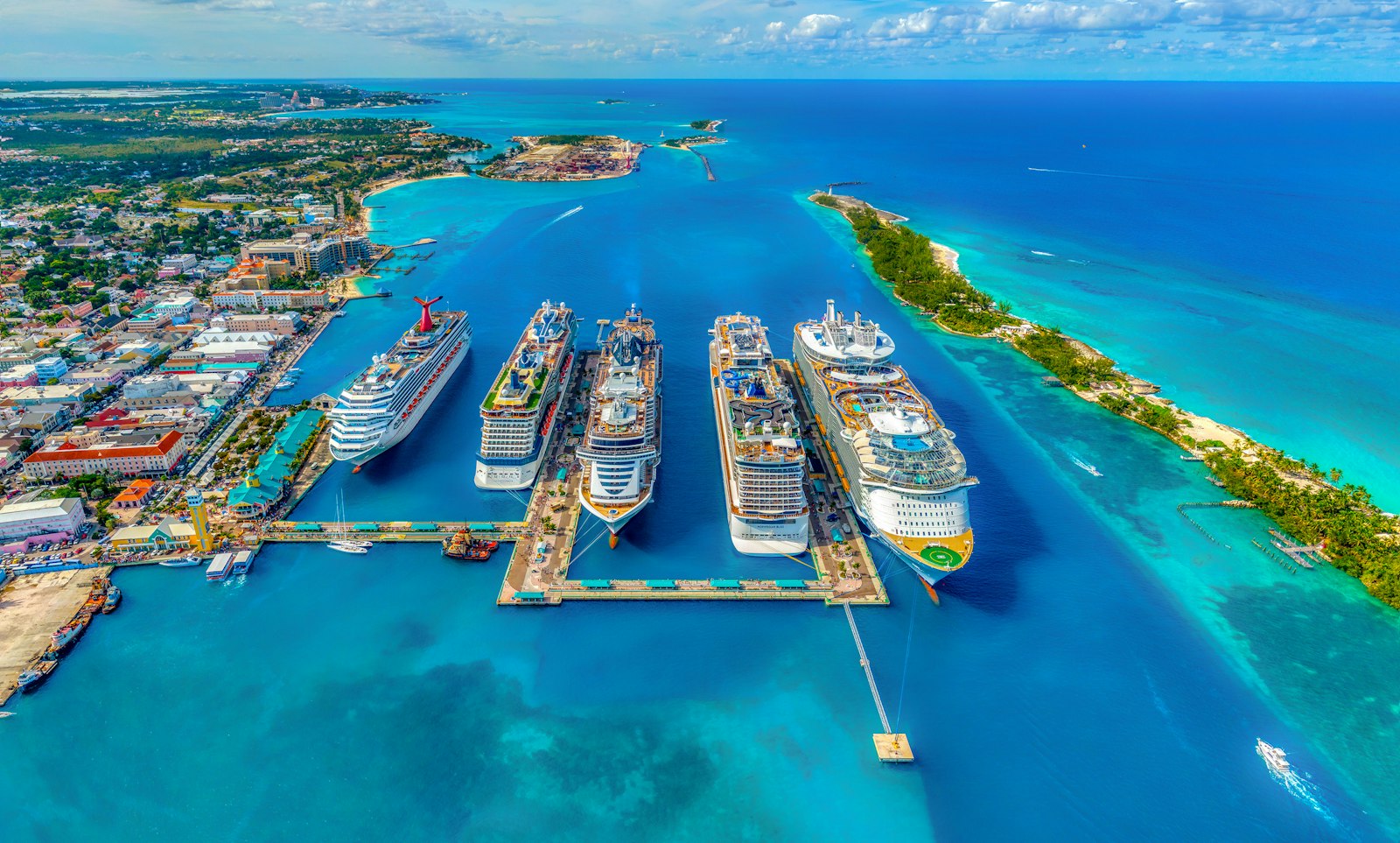
Choosing a cruise means balancing ship size, destination, cruise line culture, cabin category, and budget — this guide breaks down every variable so you can match the right voyage to your travel style.
A cruise can be one of the most seamless travel experiences imaginable: unpack once, wake up in a new port each day, and have dining, entertainment, and accommodation handled in a single booking. But the sheer variety of cruise products available today — from enormous resort-style mega-ships to intimate expedition vessels crossing polar waters — means choosing poorly can leave you underwhelmed or out of pocket. This guide is designed to make that choice deliberate and informed.
Know Your Cruising Style First
Before comparing itineraries or prices, be honest about what kind of traveler you are. Cruising covers a wide spectrum, and the experience aboard a 6,000-passenger ship in the Caribbean is almost nothing like a 100-passenger vessel navigating the Norwegian fjords.
- Social and entertainment-focused: Large resort ships with Broadway-style shows, waterparks, casinos, and dozens of dining venues suit travelers who want a destination in themselves.
- Destination-focused: Smaller or mid-size ships that spend more time in port and less time at sea are better for travelers who primarily want to explore each stop.
- Luxury and service-focused: Ultra-luxury lines emphasize high staff-to-guest ratios, inclusive pricing, fine dining, and quieter atmospheres.
- Adventure and expedition: Specialist vessels — often ice-strengthened — take small groups to remote places like Antarctica, the Galápagos, or the Arctic.
- River cruising: A fundamentally different product from ocean cruising — slower pace, no sea days, constant proximity to shore, and typically older demographics.
Understanding Cruise Line Categories
The cruise industry broadly organizes itself into three market tiers, though the lines between them blur.
Contemporary / Mass-Market
These lines carry the highest passenger volumes and offer the most competitive base fares. Ships tend to be large to enormous. Onboard spending — specialty dining, drinks packages, shore excursions, spa — can add significantly to your bill. Ideal for first-time cruisers, families, and group travel.
Premium
A step up in finishes, cuisine, and service without reaching luxury price points. Itineraries are often more varied and ships slightly smaller. More likely to include some perks in the base fare.
Luxury and Ultra-Luxury
These lines often include drinks, gratuities, and shore excursions in the published fare. Ships are smaller, cabins are larger, and the ratio of staff to guests is noticeably higher. Pricing reflects all of this. If you calculate total spend including add-ons, the gap between mass-market and luxury sometimes narrows.
Expedition and Niche
Operators specializing in expedition travel, river cruising, or themed voyages (culinary, wellness, music) occupy their own category. Evaluate them on specialist expertise, safety certifications for challenging waters, and the quality of onboard naturalists or guides rather than standard hospitality metrics.
Ship Size: What It Actually Means for You
Ship size affects almost every aspect of the experience.
- Mega-ships (3,000+ passengers): More facilities, more dining options, more entertainment — and more crowds, longer embarkation queues, and limited access to smaller ports. Often unable to dock directly, requiring tender boats to shore.
- Mid-size ships (700–2,500 passengers): A practical middle ground. Enough variety onboard, but still able to call at a wider range of ports.
- Small ships (under 700 passengers): Quieter, more personal, and able to anchor in remote coves or sail into ports that larger ships cannot reach. Fewer onboard amenities as a trade-off.
Choosing an Itinerary
The itinerary is often the starting point, but it deserves careful scrutiny beyond the list of port names.
- Sea days vs. port days: Do you want time at sea to relax and use ship facilities, or do you want to be ashore every day? Check the ratio before booking.
- Time in port: A ship docking at 8 a.m. and departing at 5 p.m. gives you a full day. One arriving at noon and leaving at 6 p.m. offers far less. Read the schedule closely.
- Overnight port calls: Some itineraries include an overnight stay in a destination, allowing evening exploration — particularly valuable in cities with vibrant nightlife or cultural events.
- Seasonality: Mediterranean cruises in July are hot and crowded with tourists; shoulder season offers better conditions and fewer queues. Caribbean hurricane season runs roughly June through November, which affects some itineraries. Research seasonal factors for every region you're considering.
- Repositioning cruises: Ships that move between seasonal deployment regions often offer excellent value on longer, less-repetitive itineraries — though flights at both ends can complicate logistics.
Cabin Categories Explained
Your cabin choice affects both budget and daily comfort significantly.
- Interior cabins: No window or porthole. The most affordable option, and perfectly adequate if you plan to spend little time in the room. Can feel claustrophobic for some travelers on longer voyages.
- Ocean-view cabins: A fixed porthole or picture window. Natural light makes a meaningful difference in livability.
- Balcony cabins: Private outdoor space. Worth the premium for scenic itineraries, sea days, or if you simply value private outdoor time. The most popular category on many ships.
- Suites: Significantly larger living space, often with a separate sitting area, larger balcony, and exclusive benefits such as priority boarding, dedicated concierge service, or access to a private restaurant.
Cabin location on the ship also matters. Midship cabins on lower decks tend to feel the least motion at sea — relevant if you are prone to seasickness. High-up, forward or aft cabins can feel more movement.
Decoding Cruise Pricing and True Cost
The advertised per-person fare is rarely the full picture. Budget for the following additions:
- Port fees and taxes: Usually added at checkout and non-negotiable.
- Gratuities / service charges: Many lines add a daily service charge per person. Some luxury lines include these in the fare.
- Drinks packages: Purchasing a beverage package in advance is often cheaper than paying per drink, but only worthwhile if you actually drink enough to justify it.
- Specialty dining: Main dining room meals are typically included; specialty restaurants often carry a surcharge.
- Shore excursions: Cruise line excursions offer convenience and guaranteed return to the ship; independent tours are often cheaper. Budget for both getting ashore and any activities.
- Wi-Fi: Usually sold separately on most ships, often in tiered packages by data speed or duration.
- Travel insurance: Essential for a cruise — missed ports, medical emergencies at sea, and trip cancellation are all real risks.
Use the My Travel Hub on TravelerPulse.pro to track your cruise booking details, pre-paid packages, and per-port plans all in one place.
Dining and Onboard Life
Food is central to the cruise experience. Most ships offer a main dining room with set menus and increasingly flexible dining times, a buffet, and several casual options — all included in the base fare. Specialty restaurants require reservations and usually an extra fee. Check how many included venues a ship has relative to its passenger count; this affects how crowded shared spaces feel.
Entertainment, fitness facilities, spa access, pools, and children's programs vary enormously by ship. If any of these matter to your group, research them specifically for the vessel you're considering, not just the cruise line in general — ships within the same fleet can differ significantly.
Health, Visas, and Documentation
Cruises cross international borders, sometimes multiple times in a single voyage. Visa requirements apply even to port visits where you plan to stay aboard. Check the entry requirements for every country on your itinerary — not just the embarkation port. Visit each country's official government immigration website or consult your own government's foreign travel advisories. TravelerPulse.pro's /visas section can help you start that research.
Health documentation requirements — vaccinations, fit-to-sail certificates, travel insurance with medical evacuation coverage — vary by destination and cruise line. Medical care at sea is limited and expensive without adequate insurance. Confirm requirements directly with your cruise line before sailing.
Booking: Direct, Travel Agent, or Online?
Each booking channel has genuine advantages. Booking directly with the cruise line gives you access to any current promotions and simplifies changes. A specialist cruise travel agent can offer expert itinerary guidance, occasionally better cabin allocations or onboard credits, and advocacy if something goes wrong. Online travel agencies can surface competitive pricing quickly. For complex itineraries, multi-generational groups, or expedition voyages, a specialist agent's knowledge often pays for itself.
Book early for the best cabin selection, particularly for popular itineraries and peak sailing dates. Last-minute deals exist but typically involve accepting whatever cabin remains.
Frequently Asked Questions
Is a cruise right for first-time travelers?
Cruising is often an excellent entry point into international travel precisely because logistics — accommodation, transport between destinations, most meals — are handled. The tradeoff is less flexibility and immersion than independent travel. If you want to test international travel in a structured environment, a short cruise on a well-reviewed itinerary is a reasonable choice.
How do I minimize seasickness on a cruise?
Choose a cabin midship on a lower deck, where motion is least felt. Transatlantic and open-ocean crossings involve more swell than sheltered-water itineraries like the inside passage or rivers. Over-the-counter and prescription remedies are widely used; consult your physician before travel. Modern large ships have stabilizer systems that substantially reduce rolling, though they don't eliminate it entirely.
What happens if I miss the ship?
If a ship departs without you — whether from the home port or a port of call — you are responsible for catching up to the vessel at the next destination at your own expense. Travel insurance policies that include missed departure coverage and cruise-specific protection are strongly recommended. This is one of the more compelling reasons to book cruise line transfers or excursions when timing is tight.
Are cruises good value for solo travelers?
Historically, cruise lines charged solo travelers a significant single supplement — often 100% of the double-occupancy fare — because cabins are priced per pair. Some lines now offer dedicated solo cabins or waive the supplement on select sailings. Search specifically for solo-friendly sailings or lines with dedicated solo studio cabins if you're traveling alone.
Conclusion
The right cruise exists for almost every type of traveler — the challenge is matching yourself to it rather than defaulting to the most advertised option. Work outward from your travel style and priorities: destination depth vs. onboard experience, budget realism including all add-ons, and the practical details of documentation and health requirements. Do that groundwork carefully, and the cruise itself tends to be exactly as straightforward and enjoyable as the format promises.