Whether you're boarding for the first time or sailing your tenth voyage, understanding how cruise ports and terminals work — from check-in queues to all-aboard deadlines — will save you time, stress, and possibly your vacation.
What Is a Cruise Terminal?
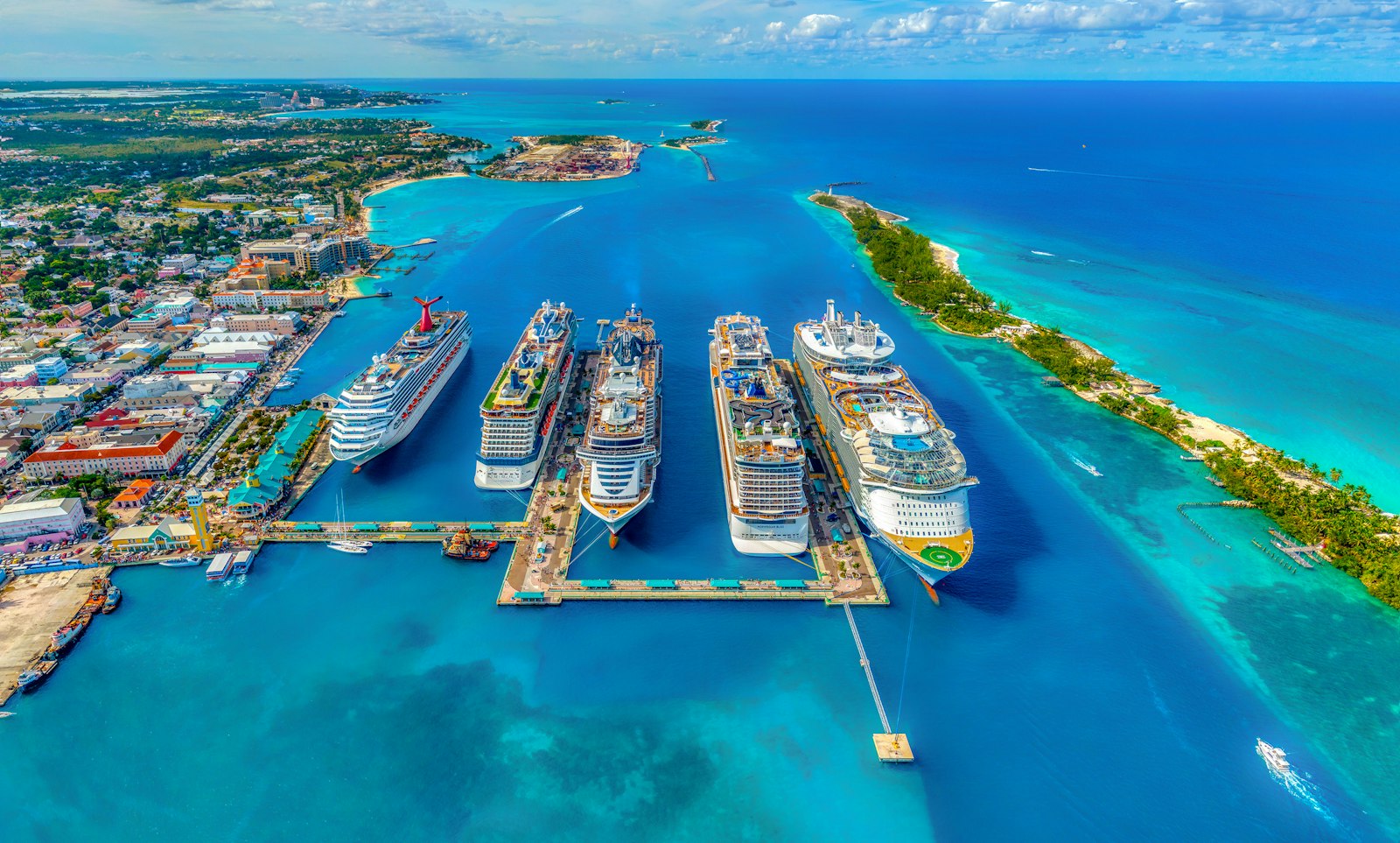
A cruise terminal is the dedicated facility where passengers embark, disembark, and sometimes transit between ships. Unlike an airport, a cruise terminal serves a single, focused purpose: moving large numbers of people — and their luggage — efficiently onto and off of very large vessels. Terminals range from purpose-built, multi-story complexes handling thousands of passengers per sailing to modest pier sheds at smaller island ports.
Major cruise hubs such as Miami, Barcelona, Southampton, Singapore, and Sydney operate multiple terminals, each assigned to specific cruise lines or ships. Smaller ports may have a single berth shared by visiting vessels on a rotating schedule. Knowing which terminal your ship uses — and how far it is from the airport or city center — is one of the most practical pieces of pre-trip research you can do.
Home Port vs. Port of Call
Every cruise itinerary involves two distinct types of port experience:
- Home port (embarkation/disembarkation port): The port where your cruise begins and ends. You will spend the most time here — arriving, checking in, boarding, and eventually collecting your luggage on the final morning.
- Port of call: Intermediate stops along the itinerary where the ship anchors or docks for a set number of hours before continuing to the next destination. Your experience ashore here is entirely self-directed or excursion-based.
Some ports serve as both. A passenger might embark in Rome (Civitavecchia), call at Naples and Dubrovnik, and disembark back in Rome — or continue to a different home port entirely on a one-way itinerary.
Arriving at Your Embarkation Port
Embarkation day has a reputation for long lines, but careful timing largely eliminates that. Most cruise lines assign check-in time windows — arriving at your designated slot is the single most effective way to move through the terminal quickly.
Key practical points:
- Allow extra travel time. Traffic near busy cruise ports can be unpredictable, particularly on peak weekend sailings when multiple ships depart simultaneously.
- Use the cruise line's designated drop-off zone. Porters will tag and collect your checked bags curbside, so pack your carry-on with anything you'll need before those bags reach your cabin — usually a few hours after boarding.
- Carry travel documents in your hand luggage. Passports, boarding passes, cruise cards, and any required health documentation should never go into checked bags.
- Pre-complete online check-in. Most cruise lines open online check-in days or weeks in advance. Uploading your passport photo, payment details, and emergency contact beforehand dramatically reduces terminal processing time.
The Check-In and Security Process
Inside the terminal, the process broadly mirrors airport security, with some differences. Expect:
- Document verification (passport, visa if required, booking confirmation)
- Biometric or photo capture for the ship's identity system
- X-ray screening of carry-on bags
- Collection of your cruise card, which serves as your cabin key, onboard payment method, and gangway ID throughout the voyage
Some terminals have dedicated priority lanes for suite guests or loyalty program members. If you qualify, these are worth using — wait times can differ significantly on a busy embarkation day.
Policies on what you may bring aboard — including beverages, certain foods, and electrical items — vary by cruise line. Check your line's prohibited items list before packing to avoid having items confiscated at security.
Visas, Passports, and Entry Requirements
A cruise does not exempt you from immigration requirements. Every port of call is effectively an international border crossing, and you must meet the entry requirements of each country your ship visits — not just your embarkation country.
Closed-loop cruises (those that begin and end in the same country) may have different passport requirements than open-jaw itineraries, but policies change. Always verify current requirements with the official government immigration authority of each country on your itinerary, as well as your own country's foreign travel advisory service. The Passport & Visa section on TravelerPulse.pro is a useful starting point for country-specific guidance and official source links.
Keep your passport accessible during sea days approaching a port — some destinations require it to clear immigration before passengers disembark.
Ports of Call: Docking vs. Tendering
At some ports the ship ties up directly to a pier (docking), and passengers walk off via a gangway at their convenience during the scheduled port window. At others — particularly in shallow harbors or at protected anchorages — the ship drops anchor offshore and small tender boats shuttle passengers to and from shore.
Tendering adds time to your day and introduces weather dependency. If seas are rough, the cruise line may cancel tendering operations entirely, meaning the port visit is skipped. Passengers with pre-booked ship's excursions typically get priority tender tickets; independent travelers board tenders on a first-come basis, often after collecting a numbered ticket. Factor this into your morning planning if you have a tight schedule ashore.
Shore Excursions: Ship-Organized vs. Independent
At every port of call you have a choice: book a guided excursion through the ship, or explore independently.
- Ship excursions cost more but carry a significant guarantee — if a ship-organized tour runs late for any reason, the vessel will wait. Miss the ship on your own and you are responsible for catching up at the next port at your own expense.
- Independent exploration offers flexibility and is often more affordable. Many ports have taxis, local buses, or hop-on-hop-off services waiting at the pier. Research transportation options before you arrive so you're not making decisions under pressure in a busy pier zone.
- Third-party tour operators are a middle ground — organized tours at lower prices than the ship offers, though without the ship's punctuality guarantee. Read reviews carefully and always confirm the operator's track record for returning passengers on time.
The All-Aboard Time: Do Not Miss It
Every port of call has a published all-aboard time — typically 30 minutes before the ship's scheduled departure. This is not a suggestion. Ships do sail without passengers who miss it, and the resulting expense (flights, hotels, and transport to the next port) falls entirely on the traveler.
Set a phone alarm, wear a watch, and build a conservative buffer into your return journey. Time can slip easily when you're enjoying a meal or navigating unfamiliar streets. If you are running late, contact the ship's emergency number (printed on your cruise card) so port agents are aware — they cannot hold the ship indefinitely, but communication can sometimes help.
Navigating Large Port Complexes
Major cruise ports can encompass dozens of berths spread over several kilometers of waterfront. In ports like Miami, Barcelona, or Rotterdam, your ship may be berthed a significant distance from the terminal entrance or the city center. Look for the following when you disembark:
- Free or paid shuttle buses connecting berths to the main port gate
- Official taxi stands (use these rather than unlicensed drivers approaching you at the pier)
- Port maps distributed on the ship or available at the gangway
- Clear ship name and berth number noted somewhere on your person — essential when returning through a large, multi-berth complex
Many TravelerPulse.pro airport and port pages include terminal maps, ground transportation options, and nearby dining — worth bookmarking before you sail.
Disembarkation Day
The final morning of a cruise is often the most logistically demanding. Hundreds or thousands of passengers must clear customs, collect luggage, and disperse — all within a few hours of docking.
- Self-disembarkation (carry your own bags off): Usually the earliest option, ideal if you can manage your luggage and have a tight connection.
- Assigned luggage tag colors: For checked bags, the ship assigns color-coded tags with departure times. Place these on your bags the night before and put them outside your cabin door by the stated deadline.
- Customs and immigration: Requirements vary by home port country. In many countries you will complete a customs declaration form. Have receipts for significant purchases made during the voyage.
- Post-cruise transport: Book airport transfers or onward travel well in advance. Cruise terminals can be extremely busy with departing taxis and ride-share vehicles on turnaround days.
Frequently Asked Questions
What happens if my flight is delayed and I miss embarkation?
The ship will not wait for individual passengers, regardless of the reason for the delay. This is precisely why experienced cruisers fly in at least one day before embarkation and purchase travel insurance that covers missed departure. If you miss the ship, contact the cruise line immediately — they can advise on joining the vessel at the next port, though all costs are typically the traveler's responsibility.
Can I leave the ship at a port of call and not return?
Technically yes, but it requires advance planning and notification to the cruise line. You will need to clear immigration in that country and make your own onward arrangements. Many lines require formal written notice, and you may not receive a refund for unused voyage days. If this is your intention, research the process with your specific cruise line well before sailing.
Is it safe to use ATMs and exchange money at cruise ports?
ATMs are widely available at most major cruise ports, though fees can be high and dynamic currency conversion is common. Notify your bank of your itinerary before departure. At smaller or more remote ports, access to banking services may be limited — carrying some local currency before arriving at those destinations is prudent. Exchange rates at pier-side currency booths are generally less favorable than bank rates.
How early should I arrive at the cruise terminal on embarkation day?
Most cruise lines open terminals two to four hours before the ship's departure and recommend arriving within your assigned check-in window. Arriving significantly earlier than your window may mean waiting outside the terminal. Arriving much later risks long queues as everyone rushes aboard before all-aboard time. Your cruise confirmation documents will specify your recommended arrival window.
A Final Word on Port Preparation
The passengers who get the most out of every port — whether it's a grand embarkation hub or a small island anchorage — are those who arrive informed. Know your terminal, understand the difference between docking and tendering, respect the all-aboard time, and verify your entry requirements independently at official sources. Keep your itinerary organized in one place — TravelerPulse.pro's My Travel Hub is designed exactly for that kind of pre-voyage planning. The ports themselves will take care of the rest.



