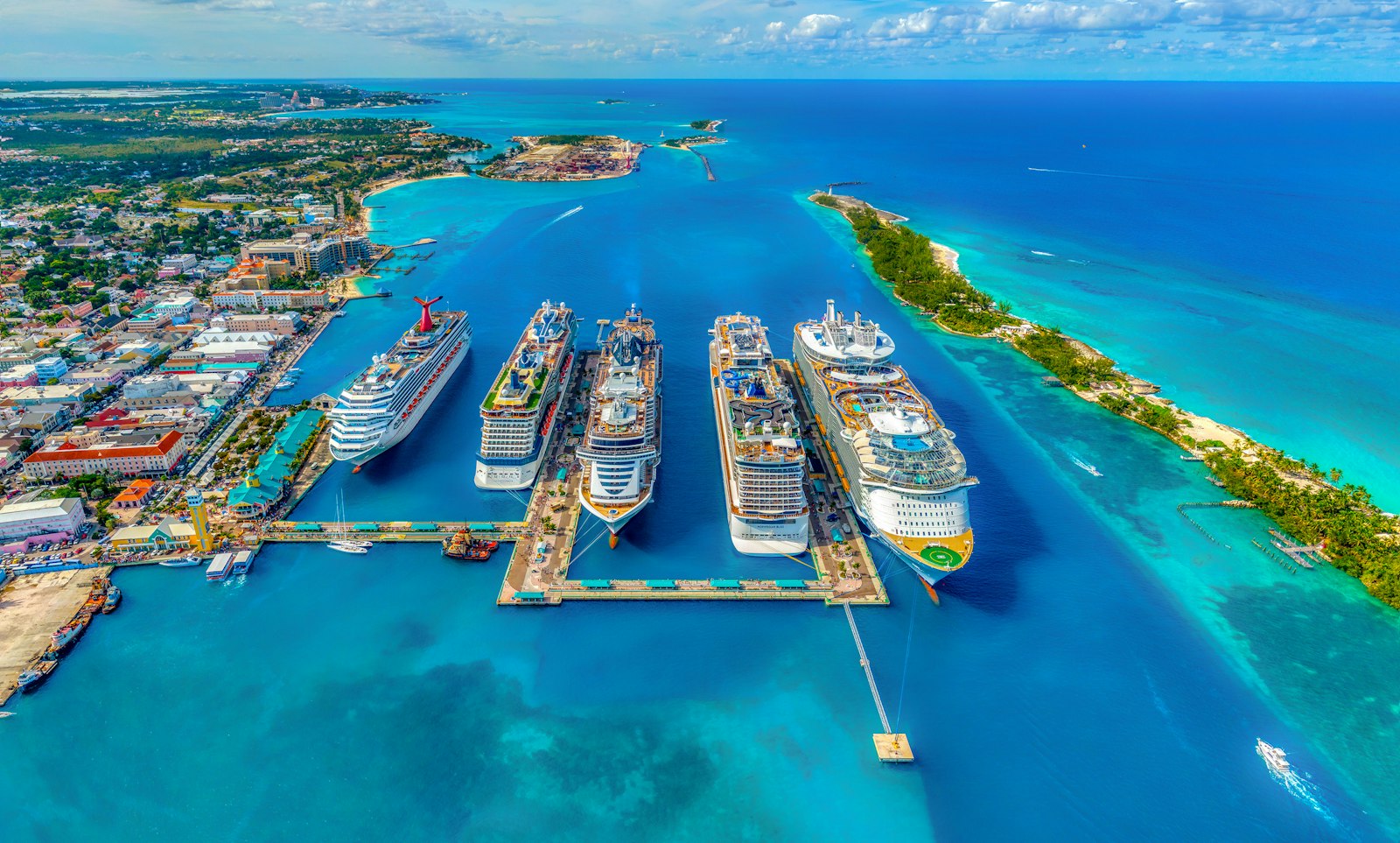
Shore excursions are the on-land heart of any cruise itinerary — choosing wisely, planning ahead, and knowing your options can transform a brief port stop into a genuinely memorable experience.
What Is a Shore Excursion?
A shore excursion is any organized activity or tour that takes place when your cruise ship docks or anchors at a port of call. Excursions range from a two-hour city walking tour to a full-day off-road safari, a cooking class, a snorkeling trip, or a guided museum visit. Some passengers book every port day in advance; others prefer to step off the gangway and explore on their own. Most find a combination works best.
Understanding the landscape — who offers excursions, what they cost, what can go wrong, and how to protect yourself — is the foundation of smart shore-excursion planning.
Ship-Sponsored vs. Independent Excursions
Every cruise line sells its own curated excursion program, and most ports also have a thriving independent tour market. Both have real advantages and real trade-offs.
Ship-Sponsored Excursions
- Guaranteed return: If a ship-sponsored tour runs late, the ship waits. This single benefit drives many travelers to book through the cruise line, especially in unfamiliar or logistically complex ports.
- Vetting: Cruise lines typically vet operators for safety standards and insurance, though policies vary — check what your line specifically promises.
- Convenience: Booking, payment, and meeting logistics are all handled in one place, often through the cruise line's app or website before departure.
- Higher cost: Ship excursions almost always carry a significant premium over comparable independent tours. The cruise line takes a commission from every booking.
- Larger groups: Ship excursion groups can be large — sometimes 40 or more people — which affects pacing, access, and the overall experience.
Independent Excursions
- Lower price: Booking directly with a local operator, a reputable third-party excursion platform, or arranging a private guide often costs meaningfully less.
- Flexibility: You set the pace, choose the focus, and can change plans on the fly.
- Smaller groups: Private or small-group tours generally offer better access and a more personal experience.
- You bear the risk: If a local tour runs long and you miss the ship, you are responsible for catching up at the next port at your own expense. This is the critical risk to manage carefully.
Types of Shore Excursions
Port programs today cover an enormous range of activity types. Knowing the main categories helps you match options to your interests and physical ability.
- Sightseeing and cultural tours: City bus tours, walking tours of historic districts, museum visits, and UNESCO World Heritage site access.
- Adventure and active: Zip-lining, kayaking, hiking, cycling, off-road ATV tours, and climbing excursions.
- Water-based: Snorkeling, scuba diving, whale watching, sailing, and glass-bottom boat rides.
- Food and drink: Market tours, cooking classes, wine or spirit tastings, and farm visits.
- Wildlife and nature: Rainforest canopy tours, wildlife sanctuaries, national park visits, and birdwatching.
- Beach and relaxation: Beach club access, resort day passes, and catamaran sunset cruises.
- Wellness: Yoga classes, spa experiences, and thermal baths.
Most cruise lines rate excursions by physical intensity — easy, moderate, strenuous — and flag accessibility-friendly options. Read these descriptions carefully; they are more useful than the marketing copy surrounding them.
How to Book Shore Excursions
Booking windows and methods vary by cruise line, but a general framework applies to most voyages.
- Online pre-cruise: Most cruise lines open excursion booking weeks or months before sailing, often with priority access for loyalty members or suite guests. Popular excursions — particularly small-group and specialty tours — sell out well in advance.
- Onboard booking desks: Shore excursion desks open early in the voyage. Staff can answer questions and make bookings, though the most popular options may already be gone.
- Third-party platforms: Several reputable services specialize in cruise port tours. Read reviews carefully, confirm cancellation policies, and verify that operators are licensed and insured.
- Local operators at the pier: In many ports, local operators approach passengers at the dock. Quality varies enormously; use this option only if you have done prior research or can verify credentials on the spot.
Understanding Costs
Shore excursion pricing is driven by destination, duration, group size, and whether special access or equipment is included. There is no universal pricing structure, and costs can range from modest to surprisingly expensive for premium or small-group experiences.
A few cost principles worth knowing:
- Half-day tours in popular Caribbean or Mediterranean ports tend to be the most competitive, with many independent alternatives available.
- Remote or logistically complex destinations — Alaska's glacier country, Norwegian fjords, or lesser-visited Pacific islands — often have fewer alternatives, and ship excursions may represent genuine value.
- Private guides or small-group charters cost more per person but can be split among travel companions, often making them competitive with ship pricing.
- Watch for onboard credit (OBC) promotions that can offset excursion costs — factor these into your booking decision.
The Most Important Rule: Know Your All-Aboard Time
Every port day has a published all-aboard time — typically 30 minutes to one hour before the ship is scheduled to depart. Missing this time means the ship leaves without you. This happens on real voyages, and it is an entirely avoidable situation.
- Set a phone alarm for the all-aboard time and again 90 minutes before it.
- When going independent, build a generous buffer — at least 60 to 90 minutes — between your expected return and the all-aboard time.
- Know the ship's agent contact number for that port before you leave the pier; this information is typically posted in the daily schedule or at the gangway.
- In tender ports — where a small boat ferries passengers between ship and shore — factor in tender wait times when calculating your schedule.
Tender Ports vs. Dock Ports
Not every port has facilities for a large cruise ship to tie up directly. In tender ports, the ship anchors offshore and runs a shuttle boat service to the pier. Tender operations add time and an element of weather dependency to your shore day.
- Tendering begins after immigration and customs clearance, which can take an hour or more in some ports.
- Passengers booked on ship excursions often receive priority tender tickets and go ashore first — a legitimate advantage of ship bookings in these ports.
- In rough sea conditions, tender operations can be suspended, canceling shore access entirely. This is rare but not unusual in exposed anchorages.
Health, Safety, and Accessibility
Before booking any excursion, be honest about physical requirements and health considerations. Activity descriptions typically list walking distances, terrain type, and fitness level. Consult your physician before booking strenuous activities if you have relevant health conditions.
- Water-based activities carry specific risks — verify that operators provide safety briefings, properly sized life jackets, and that guides hold recognized certifications.
- Adventure activities such as zip-lining or ATV tours may have weight or age restrictions; confirm these before booking.
- For travelers with mobility limitations, look specifically for excursions marked accessible or contact the cruise line's accessibility desk for guidance.
- Travel insurance that covers trip interruption, medical evacuation, and missed ship departure is strongly recommended for any cruise; it becomes especially relevant when going independent ashore.
Researching Ports Before You Sail
The more you know about a port before the ship arrives, the better your decisions will be. Destination research pays real dividends — for example, knowing that a particular beach is a 15-minute taxi ride from the pier, or that a famous market is closed on the day your ship calls, changes your planning entirely.
TravelerPulse.pro's airport and destination pages provide practical terminal and city information for major cruise ports worldwide. Combining that with cruise-specific forums and recent traveler reviews gives you a well-rounded picture before you arrive.
A few research habits worth building:
- Search for recent port reviews from travelers on your specific ship or a similar itinerary — conditions and operator quality change.
- Check port authority websites or local tourism boards for current restrictions, seasonal closures, or entry requirements.
- For visa or entry considerations at international ports of call, consult official government sources and TravelerPulse.pro's /visas section for general passport and visa guidance.
Cancellation Policies and Flexibility
Plans change — weather disrupts itineraries, ships occasionally skip ports, and personal circumstances shift. Before booking any excursion, read the cancellation policy carefully.
- Ship-sponsored excursions are typically refunded in full if the ship skips the port for any reason.
- Independent and third-party bookings vary widely. Many reputable operators offer free cancellation up to 24 or 48 hours before the tour; others are non-refundable.
- If you book independently, pay with a credit card that offers purchase protection, and keep confirmation emails and operator contact details easily accessible.
Making the Most of Port Days Without an Excursion
Not every port day requires a structured tour. Many cruise ports are walkable, with the city center, beaches, or historic areas easily accessible on foot from the pier. Taxis, local buses, and ride-share apps (where available) give independent travelers the freedom to move at their own pace.
Sometimes the best port experience is a slow morning at a waterfront café, a visit to a local market, and a wander through streets that most tour groups never reach. Use your cruise's daily program to understand what is and isn't within walking distance, and don't underestimate the value of simply being present in a place.
Frequently Asked Questions
Can I book shore excursions after the ship has sailed?
Yes, in most cases. The onboard shore excursion desk typically operates throughout the voyage, and bookings can usually be made up to the evening before a port day. Availability diminishes as the cruise progresses, particularly for popular small-group tours, so booking early — ideally before departure — is always advisable.
What happens if a ship-sponsored excursion is cancelled by the cruise line?
You will generally receive a full refund, either to your onboard account or your original payment method. Policies vary by cruise line, so confirm the specific terms when booking. If you have other plans contingent on that excursion, have a backup option in mind.
Is it safe to book tours from vendors at the pier?
It depends entirely on the destination and the specific operator. In well-traveled cruise ports, pier vendors may be established, legitimate businesses. In others, the quality is unpredictable. If you choose this route, ask for credentials, confirm pricing before committing, and always establish the all-aboard time clearly with your guide. Prior research on cruise travel forums for that specific port is invaluable here.
How do I keep track of all my excursion bookings across multiple ports?
Keeping everything organized in one place saves real stress during a cruise. TravelerPulse.pro's My Travel Hub lets you consolidate itinerary details, port schedules, and excursion notes so you arrive at each destination informed and prepared.
Conclusion
Shore excursions are not a one-size-fits-all decision. The right approach depends on your destination, your comfort with independent travel, your budget, and what you actually want from each port day. The travelers who get the most from their shore time are those who do their research, plan with a buffer, understand the risks of going independent, and stay flexible when circumstances change. Every port is an opportunity — the preparation you put in before you arrive determines how well you use it.



