
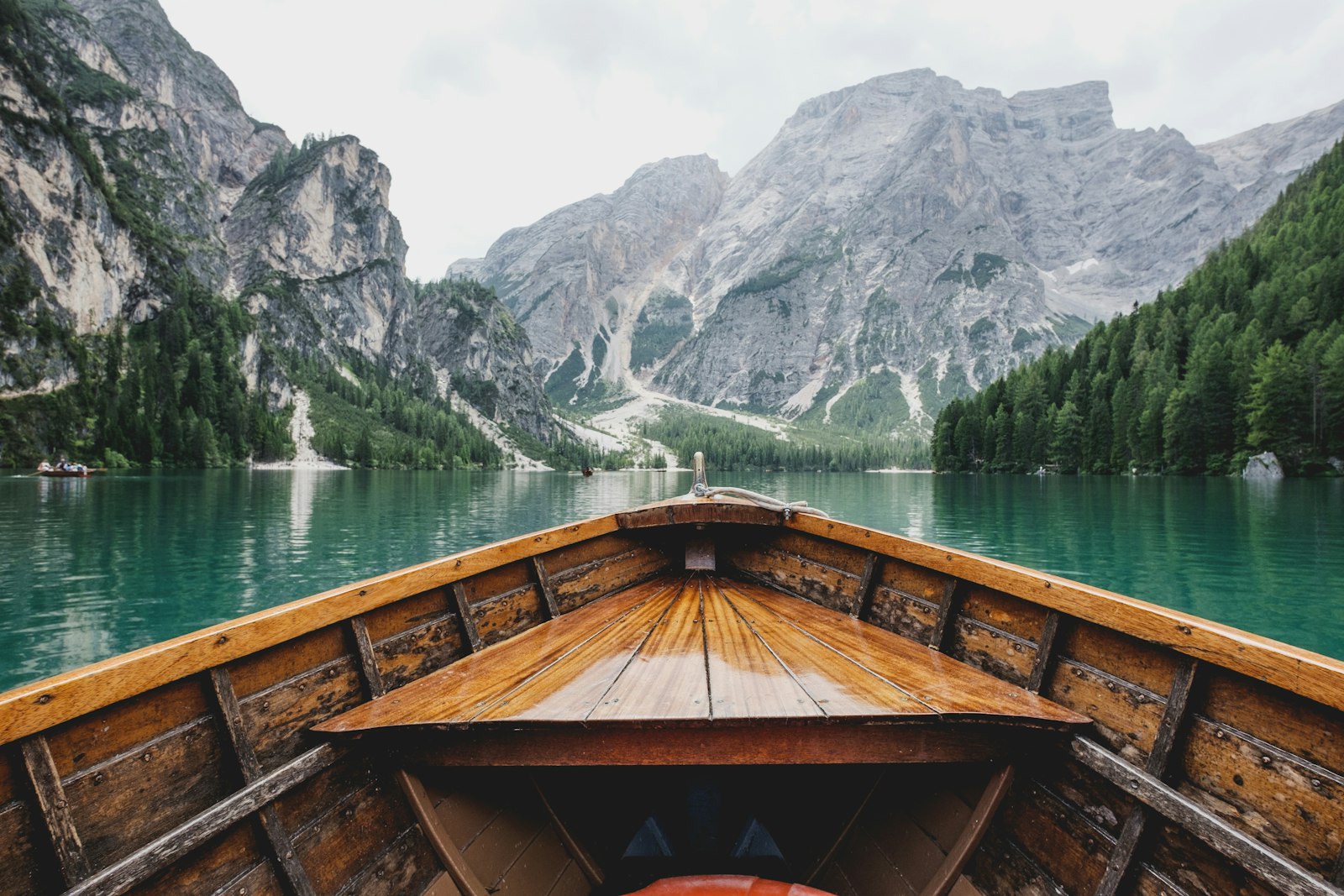
A well-planned day trip can double the value of any city-based stay — giving you mountain villages, coastlines, or historic towns without the cost and logistics of a second hotel.
No matter which major city anchors your itinerary, there is almost certainly something remarkable within a two- to three-hour radius. The challenge is not finding options — it is choosing wisely, moving efficiently, and returning without exhaustion. This guide walks you through every stage of the process, from identifying the right destination to getting home in time for dinner.
Why Day Trips Deserve Serious Planning
Day trips are often treated as afterthoughts, squeezed in on a whim between city activities. That approach usually produces a rushed, unsatisfying experience. The destinations that reward day-trippers most — wine regions, cliff-top villages, national parks, medieval towns — also tend to have limited transport connections, peak-hour crowds, and attractions that close mid-afternoon.
Treating a day trip with the same preparation you would give a standalone destination changes everything. You arrive knowing the opening times, the best route, and where to eat. You leave having actually seen the place rather than just photographed the entrance.
Defining the Radius: How Far Is Too Far?
A practical rule of thumb: if the one-way journey takes more than two and a half to three hours, you will spend more time in transit than at the destination. That said, transport speed matters as much as distance.
- Under 60 minutes: Ideal range. You can leave mid-morning, enjoy a full afternoon, and return comfortably.
- 60–120 minutes: Still very workable, but an early start is essential. Target a 7–8 a.m. departure.
- 2–3 hours each way: Viable for truly exceptional destinations, but requires discipline — leave at dawn, limit stops, head back by mid-afternoon.
High-speed rail has reshaped these calculations significantly. Trains that connect major European or East Asian cities at 200–300 km/h can bring you to destinations that feel a world away in well under an hour. Always factor in actual travel time, not just map distance.
Types of Day Trips to Consider
Knowing what kind of experience you want helps you filter options quickly. The broad categories most cities can offer within a sensible radius include:
- Historic towns and heritage sites: Old city centers, ruins, castles, and UNESCO-listed areas that contrast sharply with the modern city you are based in.
- Nature and national parks: Hiking, scenic viewpoints, wildlife, and landscapes — especially valuable when your base city is dense and urban.
- Coast and waterways: Beach towns, lake districts, fjords, and river valleys within reach of many inland cities.
- Food and wine regions: Vineyards, markets, and towns known for regional cuisine often sit just outside major metro areas.
- Smaller cities: A second, lesser-visited city near your base can offer its own museums, architecture, and local character without requiring an overnight stay.
Researching Your Options Effectively
Start with transport, not attractions. Open a rail or regional bus booking tool and search your base city as the origin. The destinations reachable within your target travel time become your shortlist. This approach surfaces options you might never have considered while reading a standard guidebook.
From there, cross-reference with:
- Official tourism websites for the destination region
- Recent traveler accounts (blogs, forums, community boards) for honest assessments of current conditions
- TravelerPulse.pro airport and destination pages, where community members often share ground-level transport tips and opening-hours updates
- Local train and bus operator timetables, which reveal how frequent return services are — a critical detail often overlooked
Pay particular attention to return journey frequency. Some scenic or rural destinations have hourly or even less frequent return services. Missing the last convenient train is a day-trip disaster that is entirely preventable.
Choosing the Right Transport Mode
The best transport for a day trip depends on the destination, your group size, and how much flexibility you want.
Train
Regional and intercity trains are the gold standard for day trips in most of Europe, Japan, parts of India, and increasingly across East Asia. They are fast, predictable, and drop you centrally. Book in advance where possible — many rail operators offer significant discounts for early bookings, and popular routes sell out on weekends.
Bus and Coach
Often cheaper than rail and serving destinations trains do not reach. Slower, but sometimes the only public option for rural or coastal areas. Regional bus networks vary enormously in quality and frequency — research schedules before committing.
Car Rental or Drive
Ideal when your destination has multiple scattered sites (a wine region, a national park with several trailheads) or when public transport is sparse. Factor in parking availability and cost at the destination, not just the rental itself.
Organized Tours
A legitimate option, particularly for destinations where local knowledge genuinely adds value — guided cave systems, archaeological sites with restricted access, or wildlife-spotting areas where a local guide dramatically improves your chances. Look for small-group tours led by specialist guides rather than large coach operations if depth of experience matters to you.
Timing: When to Leave and When to Return
Arriving before the day-trip crowds is one of the most consistently effective strategies in travel. Many popular destinations see a wave of visitors from nearby cities arriving at mid-morning. If you can get there an hour earlier, you will have the main sites largely to yourself.
Equally important: know the destination's rhythm. Some historic sites close on Mondays. Many rural markets only operate on specific days. Coastal towns may be pleasantly quiet on weekdays and packed beyond comfort on summer weekends. A quick check of local opening times and market calendars before you book transport can save significant disappointment.
Plan your return for no later than late afternoon if you are using public transport. Evening services on regional routes are often reduced, and running late can leave you stranded or facing an expensive taxi.
What to Pack for a Day Trip
Day trips require a lighter kit than overnight travel, but some essentials are non-negotiable:
- A small daypack — enough for a layer, water, snacks, and any purchases
- Comfortable walking shoes appropriate for the terrain (cobblestones, trails, or beach paths all differ)
- Offline maps or a downloaded area map — rural areas often have poor mobile data coverage
- Local currency if the destination is in a cash-dependent area
- Any tickets or reservations confirmed on your phone or printed — do not rely on on-site queues for popular attractions
- A portable charger; a full day out drains batteries faster than you expect
Managing Costs on a Day Trip
Day trips can be surprisingly economical or quietly expensive depending on how you approach them. The main cost drivers are transport, entrance fees, and food.
Many regions offer day passes or regional rail cards that reduce per-journey costs significantly. If you are making multiple day trips during a longer stay, it is worth calculating whether a multi-day transport pass represents better value than individual tickets.
Eating where locals eat — away from the main square, often a street or two back — consistently delivers better food at lower prices. In many destinations, a picnic assembled from a local market is both the most economical and most enjoyable option.
Day Trips With Children or Accessibility Needs
Both groups benefit from extra research but are by no means limited in what is accessible.
For families with children, prioritize destinations that offer interactive elements — open-air sites, beaches, animal encounters, or hands-on museums — over primarily aesthetic or architecturally focused places. Journey time tolerance also tends to be lower for young children, making the sub-60-minute radius more important.
For travelers with mobility considerations, check accessibility information directly with the destination's official tourism office or the attraction itself. Cobblestone historic centers, cliff-path walks, and some heritage sites present genuine challenges; others are fully accessible. Never rely on general travel guides for specific accessibility detail — contact the venue directly.
Staying Organized Across Multiple Day Trips
If you are planning several day trips across a longer itinerary, keeping transport bookings, opening times, and notes in one place saves repeated searching. TravelerPulse.pro's My Travel Hub lets you collect destination information and trip notes for each leg of your journey, which is particularly useful when you are managing a city base with four or five excursions radiating outward.
Frequently Asked Questions
How do I find day trip ideas I would not discover in a standard guidebook?
Search from the transport side rather than the content side. Open a regional train or bus booking tool, enter your base city, and browse what is reachable within 90 minutes. Community travel forums and local tourism board websites for the surrounding region also surface lesser-known options that major guidebooks overlook.
Is it better to join an organized tour or go independently?
It depends on the destination. For sites where access is controlled, crowds are difficult to manage, or specialist knowledge genuinely enriches the experience (archaeological sites, wildlife reserves, wine estates), a well-chosen small-group tour often outperforms independent travel. For historic towns, coastlines, and cities, independent travel almost always offers more flexibility and better value.
What should I do if I miss the last train or bus back?
Before you leave, note the contact details for a local taxi company or the availability of ride-hailing apps in the area. In smaller towns, taxi coverage can be sparse and should be arranged in advance if you are cutting timing close. As a last resort, identify whether there is a budget accommodation option in the destination — sometimes an unplanned overnight is the least stressful solution.
Do I need travel insurance for a day trip?
If your primary trip already has travel insurance, most policies extend to day trips within the same country or region — but review your policy terms carefully. For day trips crossing international borders, confirm your coverage explicitly applies. Policies vary widely.
Conclusion
The best day trips do not feel like side dishes — they feel like complete experiences that happen to begin and end in the same city. The difference between a rushed disappointment and a genuinely memorable excursion almost always comes down to preparation: knowing how you will get there, when the key sites are open, and how you will get home. Build that foundation, and the day will take care of itself.




