
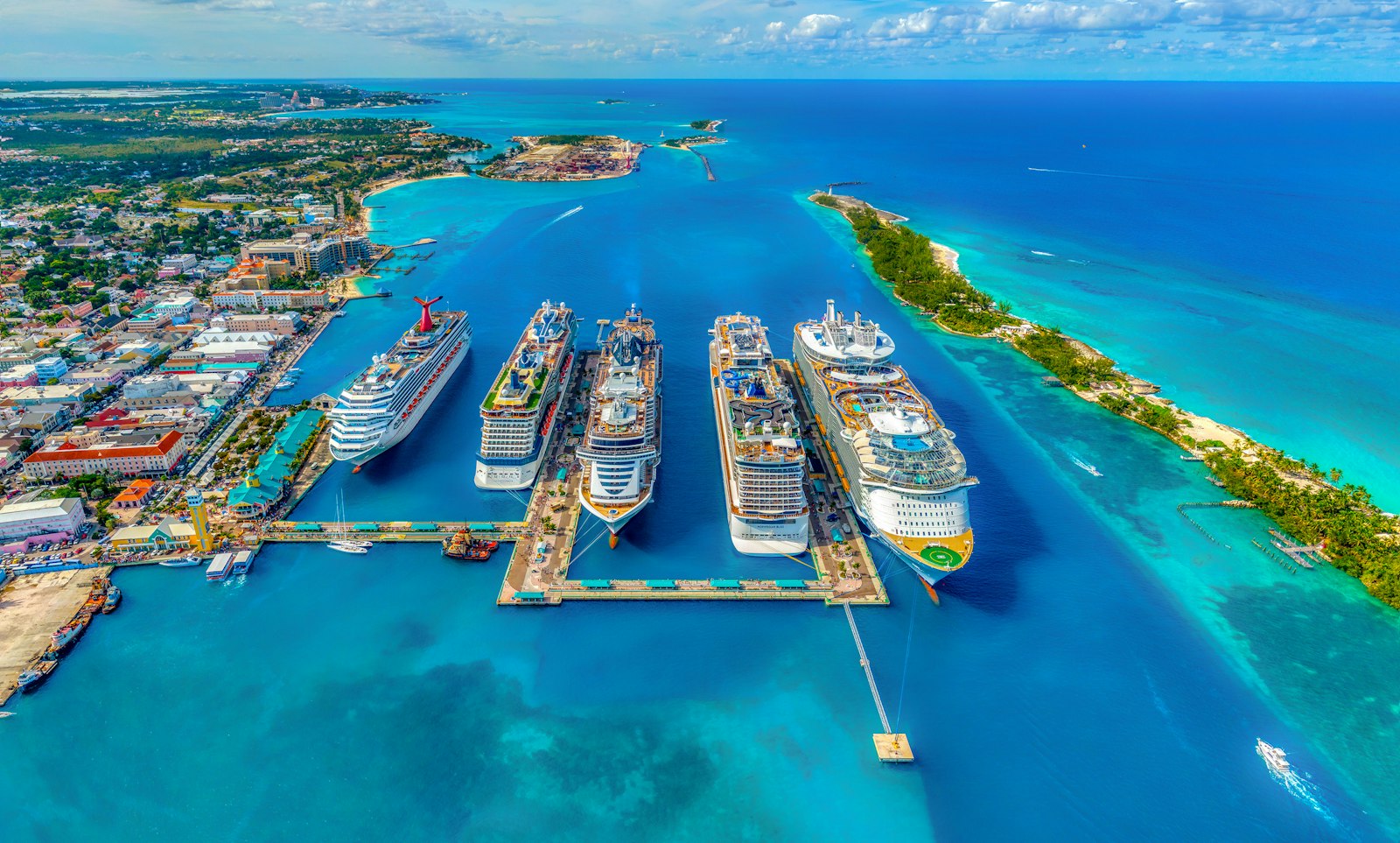
From booking a cabin to walking off the ship at the end of your voyage, this guide explains how cruise travel actually works — the logistics, the terminology, and the practical decisions every passenger needs to understand.
What Cruise Travel Is (and Why It Works Differently)
A cruise is a floating hotel that moves. You unpack once, sleep in the same cabin each night, and wake up in a different city or island the next morning. The ship itself is both transportation and destination — it carries restaurants, entertainment, pools, shops, and sometimes thousands of passengers at once.
That combination of accommodation, meals, and transport bundled into one price is what makes cruising logistically unlike any other form of travel. Understanding the structure before you book saves money, prevents surprises, and helps you get far more out of the experience.
Choosing a Cruise: Lines, Ship Sizes, and Itineraries
Cruise lines broadly fall into a few categories:
- Mainstream/contemporary lines — large ships, wide range of amenities, family-friendly, generally the most affordable per night.
- Premium lines — mid-sized ships, higher service ratios, more refined dining and inclusions.
- Luxury and ultra-luxury lines — smaller ships, nearly all-inclusive pricing, highly personalized service.
- Expedition lines — purpose-built vessels for remote destinations (Antarctica, Arctic, river gorges), emphasis on naturalist-led excursions.
- River cruise lines — smaller boats navigating inland waterways through Europe, Asia, Egypt, and beyond, docking in city centers.
Itinerary length ranges from two-night weekend sailings to world voyages of over 100 days. Consider which ports matter most to you, how many sea days you're comfortable with, and whether the home port is easily reachable — or requires a flight to join the ship.
Cabin Categories Explained
Your cabin type is one of the biggest pricing variables on any cruise.
- Interior cabins — no window, lowest price, perfectly functional for passengers who plan to spend most time outside the room.
- Ocean-view cabins — a porthole or window, natural light, no private outdoor space.
- Balcony cabins — private outdoor space; a significant upgrade in comfort, especially on longer voyages or scenic routes.
- Suites — considerably more space, often with dedicated butler service, priority boarding, and exclusive dining access.
Location on the ship matters too. Mid-ship cabins on lower decks tend to feel less motion in rough seas. Higher decks feel more movement but often have better views.
What the Fare Includes — and What It Doesn't
The base cruise fare typically covers your cabin, most meals in the main dining room and buffet, onboard entertainment (shows, pools, fitness center), and transportation between ports. It does not automatically cover:
- Specialty restaurants (a surcharge usually applies)
- Alcoholic beverages and premium non-alcoholic drinks
- Shore excursions booked through the ship
- Spa treatments
- Gratuities (sometimes called a "service charge" or "hotel charge" — added daily per person on most mainstream lines)
- Wi-Fi packages
- Casino spending
- Port taxes and fees (sometimes quoted separately)
Many lines now sell beverage packages, Wi-Fi bundles, and shore excursion credits as add-ons at the time of booking — sometimes at a discount. Evaluate honestly whether you'll use them before purchasing.
Booking and Pre-Cruise Preparation
You can book directly through a cruise line's website, through a travel agent who specializes in cruises (often a worthwhile resource for complex itineraries), or through an online travel agency. Pricing tends to fluctuate with demand and how far in advance you book — popular sailings fill quickly, especially during holidays and school breaks.
After booking, a typical checklist includes:
- Verifying your passport validity — most cruise itineraries with international ports require at least six months of validity beyond your return date. Check current entry requirements for every port via official government travel advisories. Our /visas Passport & Visa section on TravelerPulse.pro is a useful starting reference as you research.
- Arranging travel insurance — cruise-specific policies often cover trip cancellation, medical evacuation at sea, and missed departure.
- Booking pre- and post-cruise accommodation if you're flying to the embarkation city.
- Completing the cruise line's online check-in, which typically opens 30–90 days before sailing. You'll upload passport details, a profile photo, and a credit card for your onboard account.
Embarkation Day: Getting on the Ship
Embarkation is the process of boarding. Most major cruise ports open check-in to passengers in the late morning, with the ship departing in the late afternoon or evening. Arriving within your assigned check-in window — assigned during online check-in — reduces wait times significantly.
The process: drop luggage with porters outside the terminal (tip them; your bags arrive at your cabin hours later), proceed through security screening similar to an airport, clear immigration/customs if sailing internationally, check in at the cruise line's counter, receive your keycard (which is also your cabin key, onboard payment card, and identification for getting on and off the ship), then board.
Your cabin may not be ready immediately after boarding. Lunch is typically available on embarkation day, and the ship's emergency muster drill — required by maritime law — takes place before departure.
Life Onboard: Days at Sea and the Ship's Rhythm
Sea days — when the ship is sailing between ports with no stop scheduled — are when you experience the full range of onboard programming. Most ships publish a daily schedule the evening before, covering fitness classes, trivia, cooking demonstrations, live music, lectures, and more.
Dining follows a general structure: a main dining room with set or flexible seating times, a casual buffet venue open for most of the day, and specialty restaurants. Breakfast and lunch in the main dining room are usually open-seating. Some ships still offer traditional fixed early or late dinner seatings; others use a "my time" or anytime dining model.
Your keycard tracks all onboard charges automatically. Review your account periodically through the ship's app or an onboard kiosk to avoid billing surprises at the end of the cruise.
Port Days: Shore Excursions and Independent Exploration
On a port day, the ship docks (or anchors offshore and tenders passengers to shore by small boat). You're free to explore independently, book excursions through the cruise line, or arrange private tours on your own.
- Ship-organized excursions are more expensive but carry a key guarantee: if the tour runs late, the ship waits for you. If you're on an independent tour or exploring solo and miss the ship, you are responsible for catching up to it at the next port — at your own expense.
- Independent exploration works well in walkable port cities where attractions are near the dock. Research the port's layout in advance.
- Private tours booked through reputable local operators can offer a middle ground — more flexibility than ship excursions, at lower cost, with a knowledgeable local guide.
Always note the "all aboard" time posted at the gangway — it's typically 30–60 minutes before the ship's scheduled departure.
Health, Safety, and Sea Sickness
Modern cruise ships are subject to rigorous health and safety inspections. The muster drill at embarkation familiarizes passengers with lifeboat stations and emergency procedures — pay attention.
Motion sickness affects some passengers, particularly in open ocean or rougher weather. Common strategies include:
- Choosing a mid-ship, lower-deck cabin
- Over-the-counter antihistamine-based remedies (consult a pharmacist before travel)
- Prescription scopolamine patches (discuss with your doctor)
- Acupressure wristbands
- Focusing on the horizon and getting fresh air during mild discomfort
Norovirus outbreaks on ships get media attention, but ships enforce frequent hand-washing protocols and are required to report illness rates that exceed thresholds. Carry your own hand sanitizer and wash hands thoroughly before meals.
Gratuities and Onboard Spending
Most mainstream cruise lines add an automatic daily gratuity per person to your onboard account. This is distributed to cabin stewards, dining room staff, and other service crew. Policies on adjusting these charges vary by line. Luxury lines often include gratuities in the upfront fare.
Beyond gratuities, budgeting realistically for drinks, excursions, and specialty dining can prevent sticker shock when you review your final bill. Your onboard account is settled on the last night of the cruise and charged to the credit card you registered.
Disembarkation: Getting Off the Ship
Disembarkation — leaving the ship at the end of the voyage — is a coordinated process. The evening before the final port, you'll receive instructions for luggage. You can either:
- Self-carry disembarkation — carry all your own bags off the ship early in the morning, ideal if you have a flight to catch.
- Traditional disembarkation — leave tagged luggage outside your cabin door the night before; it's collected overnight and available to retrieve in the terminal in designated areas, organized by tag color/number.
You'll clear customs and immigration in the terminal. If your cruise included international ports, you may go through a more thorough customs process. Do not book a flight too early on disembarkation day — two to three hours after the ship's arrival time is generally the minimum safe buffer, and later is better when schedules permit.
Frequently Asked Questions
Do I need a passport for a cruise?
It depends entirely on the itinerary. Closed-loop cruises (departing and returning to the same U.S. port) may allow U.S. citizens to travel with only a birth certificate and government-issued ID in certain circumstances, but a valid passport is strongly recommended for all international sailings. Requirements vary by nationality and destination — always verify with your government's official travel authority and the cruise line before sailing.
What happens if the ship leaves without me?
If you miss the ship's departure — whether due to a late excursion, traffic, or any other reason — you are responsible for rejoining the ship at its next port of call. This means booking your own flights or ground transportation at your expense. Travel insurance with "missed connection" or "missed departure" coverage can help offset these costs.
Is seasickness a serious concern on large ships?
Large modern cruise ships are stabilized and designed to minimize motion, and many passengers never experience any discomfort. That said, crossing open ocean in certain seasons — the North Atlantic in winter, for example — can produce noticeable movement. If you're prone to motion sickness, choose itineraries with calmer waters (Caribbean, Mediterranean) and consult a doctor about preventive options before sailing.
Can I use my phone or get internet access on a cruise?
Most ships offer Wi-Fi packages for purchase. At-sea satellite internet has historically been slower and more expensive than land-based connections, though newer satellite technology is improving this rapidly. When in port, you can connect to local cellular networks (international roaming charges may apply — check with your carrier) or use Wi-Fi at cafes and attractions. Avoid using your phone's cellular data while the ship is at sea unless you have a specific international plan, as maritime roaming rates can be very high.
Final Thoughts
Cruise travel rewards preparation. Understanding the fare structure, planning your port days thoughtfully, managing your onboard spending, and knowing how disembarkation works will make the difference between a stressful voyage and a genuinely enjoyable one. Whether you're drawn to Caribbean beaches, Norwegian fjords, Mediterranean history, or polar expeditions, the fundamental mechanics of cruising remain consistent — and once you've done it once, the rhythm becomes second nature.
Use your My Travel Hub on TravelerPulse.pro to organize your cruise documents, port research, and shore excursion plans all in one place before you set sail.




