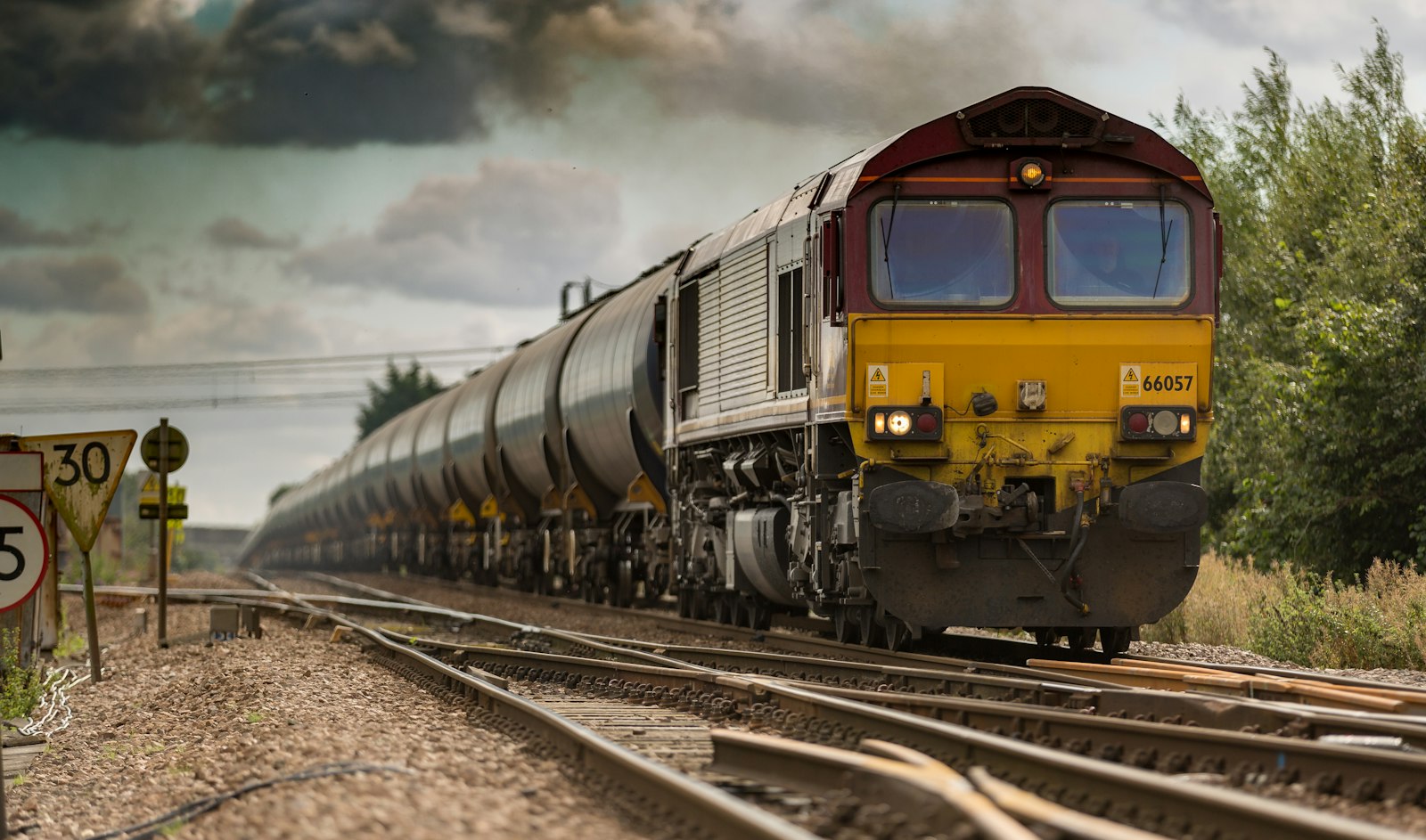
Europe's rail network connects hundreds of cities and towns across dozens of countries, offering travelers a practical, comfortable, and often breathtaking alternative to flying — this guide walks you through everything you need to know to plan and execute a rail journey across the continent.
Why Travel Europe by Train?
Rail travel in Europe is not simply a romantic notion — it is genuinely efficient. City-center to city-center journey times on many popular routes beat flying once you factor in check-in, security, and transfers. Trains are generally comfortable, luggage allowances are generous, and the scenery along routes through the Alps, Scandinavia, or the Adriatic coast is difficult to replicate at 35,000 feet.
Beyond convenience, rail travel produces significantly lower carbon emissions per passenger than short-haul flights, making it the practical choice for travelers who want to reduce their environmental footprint without sacrificing comfort or reach.
Understanding Europe's Rail Network
Europe does not have a single unified rail system. Instead, it is a patchwork of national and regional operators — SNCF in France, Deutsche Bahn in Germany, Trenitalia and Italo in Italy, Renfe in Spain, NS in the Netherlands, and many others — that cooperate under international agreements to allow cross-border ticketing.
The network broadly divides into three tiers:
- High-speed intercity trains — The TGV, Eurostar, ICE, AVE, Frecciarossa, and Thalys-class services connect major cities at speeds that make them true flight alternatives.
- Regional and intercity trains — Slower but frequent services that reach smaller cities, towns, and rural areas unreachable by high-speed lines.
- Night trains — A growing category following years of decline. Operators such as ÖBB Nightjet now serve routes across Austria, Germany, Belgium, the Netherlands, Italy, and beyond, letting you cover long distances while you sleep.
Pass vs. Point-to-Point Tickets: What Makes Sense for You
This is the most consequential decision in planning a European rail trip, and the answer depends entirely on your itinerary.
Rail Passes (Eurail / Interrail)
Eurail passes (for non-European residents) and Interrail passes (for European residents) grant unlimited travel on most participating rail networks for a set number of travel days within a defined period. They come in global versions covering most of Europe or single-country versions. Passes tend to offer good value when you are moving frequently, covering long distances, or making spontaneous route changes.
Important caveats: most high-speed and night trains require a separate seat or couchette reservation even with a valid pass, and these reservation fees add up. Calculate your likely routes before buying.
Point-to-Point Tickets
If your itinerary is fixed and you book in advance, point-to-point tickets purchased directly from national operators are often cheaper than a pass — sometimes dramatically so. European rail operators release discounted advance fares (equivalent to airline sale fares) that disappear as the travel date approaches. A well-planned, booked-ahead trip through two or three countries can cost far less than a global pass.
The tradeoff is flexibility. Point-to-point advance tickets are usually non-refundable or carry change fees, so they suit travelers with confirmed plans rather than open itineraries.
Where and How to Book Tickets
Booking strategies vary by route and operator:
- National operator websites — Always check these first. SNCF, Deutsche Bahn, and others sell their own tickets at face value with no booking surcharge, and their advance fares are often the cheapest available.
- Aggregator platforms — Services that compile multiple operators make cross-border booking easier, though they may charge a convenience fee. They are most useful for complex multi-country journeys.
- Rail pass booking portals — If you hold a pass, you can book mandatory reservations through the Eurail or Interrail websites, or directly with the operating railway.
- Station ticket offices — Useful for last-minute regional trains and for resolving problems, but advance booking windows at a counter are typically the same as online.
Booking windows vary by operator — some release tickets three to six months ahead, others only a few weeks in advance. Setting a calendar reminder for when a popular route opens for sale can secure the best fares.
High-Speed Train Routes Worth Knowing
A handful of flagship routes illustrate what European high-speed rail can do:
- London–Paris (Eurostar) — Around two hours and fifteen minutes through the Channel Tunnel, arriving at central Paris St. Pancras to Gare du Nord.
- Paris–Barcelona (TGV/AVE) — A cross-Pyrenean high-speed service that makes the journey in roughly six hours.
- Amsterdam–Brussels–Paris — Thalys/Eurostar services link these three capitals in competitive journey times.
- Frankfurt–Munich (ICE) — Under four hours on the newest high-speed line through Bavaria.
- Milan–Rome (Frecciarossa) — Approximately three hours on Italy's spine-line, with multiple daily departures.
- Madrid–Seville / Madrid–Barcelona (AVE) — Spain's AVE network is one of Europe's densest, with frequent and very fast departures.
Night Trains: Sleeping Your Way Across Europe
Night trains deserve their own consideration. Boarding in the evening and arriving at your destination the following morning effectively converts travel time into sleep time, saving both a hotel night and a daytime journey. They are particularly useful for long legs — Vienna to Paris, Amsterdam to Vienna, Brussels to Vienna — where daytime travel would consume an entire day.
Accommodation options on night trains typically include:
- Seat — The cheapest option, fine for shorter overnight journeys but tiring on longer ones.
- Couchette — A fold-down berth in a shared compartment (usually four or six berths), with bedding provided. A solid middle ground.
- Private sleeper cabin — A lockable private or semi-private compartment with a real bed, often including breakfast. Comparable in price to a budget hotel, but you arrive rested and in the city center.
Book night trains early — popular routes and private cabins sell out weeks or months ahead, especially in summer.
Border Crossings and Passport Control
Most travel within the Schengen Area takes place without passport checks at borders, though trains may pass through multiple countries. However, checks do occur — border police board trains on certain routes, particularly those connecting Schengen countries with non-Schengen territories (such as the UK, Switzerland for some contexts, or Balkan countries). Always carry valid travel documents.
For up-to-date visa and entry requirements for each country on your itinerary, consult official government sources. TravelerPulse.pro's /visas section aggregates links to official passport and visa information by country to help you start that research quickly.
Luggage, Reservations, and Practical Logistics
Unlike airlines, most European trains have no formal luggage weight limits for carry-on bags — you simply need to be able to lift your luggage into the overhead rack or storage area. That said, large suitcases on busy regional trains can be impractical. Experienced rail travelers typically travel with mid-sized rolling bags or backpacks.
- Seat reservations — Mandatory on most high-speed and international trains, optional on many regional services. Always check whether your ticket includes or requires a reservation.
- Validate your ticket — In some countries (Italy, France, Spain), you must validate (stamp) regional tickets before boarding or risk a fine. High-speed tickets with seat assignments are generally pre-validated, but check operator guidelines.
- Platform information — Platforms for intercity trains are often posted 10–20 minutes before departure in larger stations, so allow time to navigate. Departure boards are your best friend.
- Connections — Build in reasonable connection times, especially at large interchange stations. Minimum connection times of 20–30 minutes are prudent; if one train is delayed, you want margin to catch the next.
Rail Passes for Specific Countries or Regions
If your trip focuses on one country or a tight cluster of destinations, single-country passes — for France, Germany, Italy, Switzerland, or the Iberian Peninsula, among others — are often better value than a global pass. Switzerland in particular sells its own Swiss Travel Pass that covers not just trains but also many lake boats, mountain railways, and buses, making it extremely efficient for a focused Swiss itinerary.
Scandinavia, the Balkans, and Eastern Europe have their own dynamics — some rail networks are less extensive, and bus or ferry connections become more important. Research the modal mix before committing to a rail-only strategy.
Money-Saving Tips
- Book as early as possible for high-speed routes — advance fares can be a fraction of the full price.
- Travel mid-week rather than Friday or Sunday when demand peaks.
- Consider second class — on modern high-speed trains it is comfortable and the difference from first class is often marginal in practical terms.
- Look for rail operator loyalty programs, which can earn points toward future travel.
- If holding a pass, use it on your longest and most expensive legs; buy point-to-point tickets for short cheap hops.
- Night trains save hotel costs — factor that into your true cost comparison.
Keeping Your Itinerary Organized
A multi-country rail trip involves a surprising number of moving parts: passes, reservations, confirmation numbers, timetables, and accommodation at each stop. Use a dedicated travel organizer — TravelerPulse.pro's My Travel Hub lets you consolidate bookings, notes, and destination research in one place so nothing falls through the cracks on a complex itinerary.
Frequently Asked Questions
Do I need to book seats in advance, or can I just show up with a rail pass?
It depends on the service. Many regional trains accept walk-on passengers with a valid pass and no reservation. However, most high-speed trains and virtually all night trains require advance seat or sleeping reservations even with a pass — and popular routes sell out. Booking reservations as soon as your travel dates are fixed is strongly recommended.
Is it safe to take overnight trains in Europe?
Night trains in Western and Central Europe are generally very safe. Private sleeper cabins can be locked from the inside. Couchette compartments are shared, so keep valuables close and use the provided storage. As with any travel, stay aware of your surroundings and follow the same common-sense precautions you would anywhere.
What happens if I miss a connection because my first train was delayed?
Policies vary by operator and ticket type. If both legs are on a single through-ticket issued by one operator, that operator is generally responsible for getting you to your destination and may rebook you at no charge. If you booked two separate tickets, you bear the risk of a missed connection yourself. Always check the operator's delay and compensation policy before booking, and consider building generous connection buffers into your itinerary.
Which rail booking platform should I use for cross-border journeys?
There is no single perfect answer. National operator websites are best for single-country travel. For multi-country routes, aggregator platforms simplify the search, though they may add fees. For very complex itineraries, booking each leg separately through the respective national operator often yields the best prices — at the cost of more research time. Compare options before purchasing.
How far in advance do European train tickets go on sale?
This varies widely. Some operators open booking three to six months ahead; others release tickets just a few weeks out. High-speed operators in France, Spain, and Italy tend to have longer booking windows. Check the specific operator's booking calendar and set a reminder — the cheapest fares disappear quickly after release.
Conclusion
Traveling Europe by train rewards preparation. Understanding the difference between a pass and point-to-point tickets, booking reservations early, and knowing how each country's network operates will save you both money and frustration. Once you are on board — watching the Alps slide past the window or waking up in a new capital — the appeal of European rail becomes self-evident. Start with a clear itinerary, do your booking homework, and the network will take care of the rest.



