
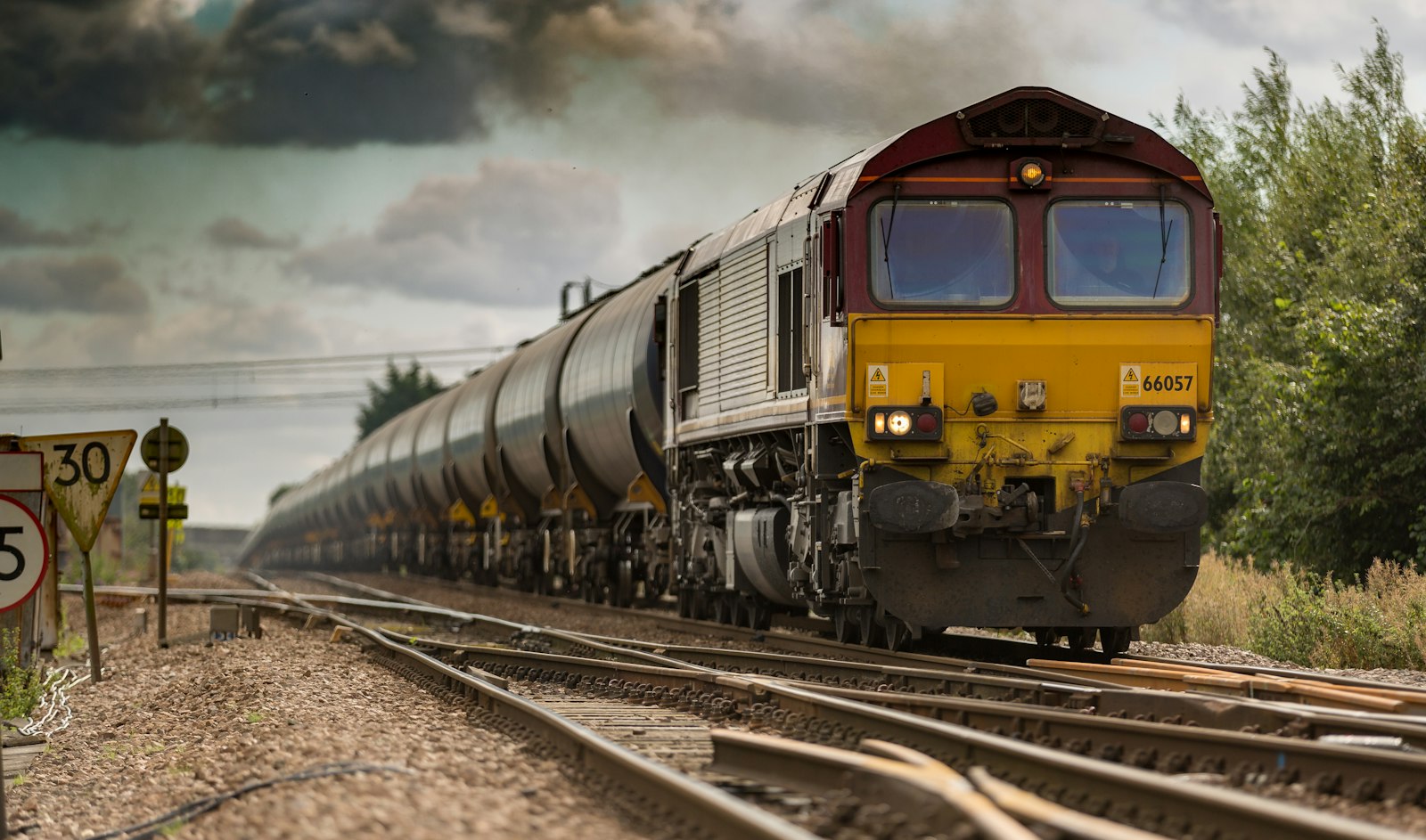
Train travel connects cities, coastlines, and countryside on every inhabited continent — but ticketing systems, booking rules, and onboard customs vary enormously from country to country. This guide walks you through how rail travel actually works around the world so you can plan smarter, pack right, and ride with confidence.
Why Train Travel Remains One of the Best Ways to Move
Trains deposit you in city centers rather than distant airports, spare you security queues in most countries, and offer a moving window onto landscapes you would never see from 35,000 feet. They range from standing-room-only commuter cars to private sleeping suites with white-linen dining. Understanding the system before you buy a ticket makes the difference between a seamless journey and a frustrating scramble at the platform.
The Major Rail Cultures of the World
Rail networks are shaped by geography, history, and investment levels. Knowing which "rail culture" you are entering sets realistic expectations.
- Western Europe: Dense, high-frequency networks. High-speed trains (France's TGV, Spain's AVE, Germany's ICE, Italy's Frecciarossa) connect major cities in hours. Reservations are often separate from the base ticket.
- Eastern Europe: Extensive but slower networks, often excellent value. Night trains between capitals are making a comeback.
- Japan: The Shinkansen bullet-train network is legendary for punctuality, cleanliness, and frequency. The broader JR network reaches almost every corner of the country.
- China: The world's largest high-speed rail network by route length. Real-name ticketing and ID verification are required — foreign passports are accepted.
- India: One of the world's busiest rail systems, with a rich hierarchy of train classes and a quota system worth understanding before you book.
- North America: Amtrak covers the US; Via Rail covers Canada. Long-distance routes are scenic but infrequent — treat them as an experience, not a commuter service.
- Australia: Intercity trains (The Ghan, Indian Pacific) are bucket-list journeys. Urban rail in major cities is efficient.
- Africa and South America: Coverage is patchy but pockets of excellent scenic rail exist — the Blue Train in South Africa, the Tren Crucero in Ecuador.
Understanding Ticket Classes
Most railways offer at least two classes of travel; many offer three or more.
- First class typically means wider seats, more legroom, quieter cars, and sometimes complimentary meals or at-seat service.
- Second class (standard) is entirely comfortable on most modern trains and is where the majority of travelers ride.
- Sleeper classes range from open couchettes with shared curtains (common on European and Indian night trains) to private en-suite cabins with beds that rival boutique hotels.
- Reserved vs. unreserved seating: Some tickets guarantee a specific seat; others simply grant access to the train. On busy routes, unreserved travel can mean standing for the journey.
Always confirm whether your ticket includes a seat reservation or whether you need to book one separately — this trips up even experienced rail travelers in Europe.
How to Book Train Tickets
Booking methods vary widely, but a few principles apply almost everywhere.
- Book early for advance fares. European high-speed and intercity trains often release discounted seats months ahead. Prices rise as departure approaches and seats fill.
- National rail websites first. The official operator site (SNCF for France, DB for Germany, JR for Japan, IRCTC for India) typically offers every available fare. Third-party aggregators are convenient but sometimes add fees or omit certain ticket types.
- Rail passes: Passes like Eurail in Europe or the JR Pass in Japan can save money for travelers covering long distances across multiple routes, but they are not always the best value for short point-to-point journeys. Do the math before you buy.
- Seat reservations on passes: Many passes still require paid seat reservations on high-speed or overnight trains. Factor this into your cost comparison.
- Print or download your ticket. Some networks accept mobile tickets; others require a printed voucher or a physical ticket issued at a station machine. Know what your operator expects before you board.
Rail Passes: When They Make Sense
A rail pass gives you unlimited or flexible travel within a network or region for a set period. The math depends on your itinerary.
- Passes tend to pay off when you are making many journeys, traveling long distances, or being spontaneous about your route.
- Point-to-point advance tickets often beat pass prices for travelers with fixed plans and popular routes booked well ahead.
- Some passes must be purchased outside the country of use — the JR Pass is a classic example. Verify purchasing rules before you travel.
- Youth, senior, and family discounts are available on many passes and point-to-point fares. Always check eligibility.
Luggage Rules and Practicalities
Unlike airlines, most trains do not charge checked-baggage fees, but storage space is finite and the rules differ by network.
- Most European and Asian trains have overhead racks and end-of-car luggage areas. Very large bags can be difficult to stow on crowded services.
- Some high-speed trains (Japan's Shinkansen, for example) have introduced advance reservations for oversized luggage on certain services. Check before you board.
- Night trains often have limited luggage space in couchette compartments — keep valuables with you rather than storing bags in corridors.
- On long-distance trains in India and parts of Southeast Asia, bags are sometimes locked to luggage rings under seats for security on overnight journeys — bring a small padlock and cable.
- Bicycles: many networks allow bicycles in dedicated spaces, often with a reservation or small fee. Collapsible or bagged bikes are more widely accepted. Policies vary enormously — check the specific operator.
Onboard Etiquette and What to Expect
Trains are shared public spaces, and customs differ by country.
- Quiet cars: Many European operators designate silent or quiet carriages. Phone calls and loud conversation are discouraged. Check the carriage markings before settling in.
- Food and drink: Most long-distance trains have a dining or bistro car. On-board prices are higher than station shops — stock up before boarding if budget matters.
- Punctuality expectations: Japan's rail system measures delays in seconds; long-distance trains in India, the US, or parts of South America may routinely run hours late. Build buffer time into connections.
- Platform culture: In some countries (parts of Asia and Eastern Europe), boarding begins quickly and lines form by carriage number. Know your carriage number and stand near the right section of the platform.
- Ticket inspection: Inspectors will check tickets during the journey. Have yours accessible — a dead phone with a downloaded e-ticket has caused more than one uncomfortable conversation.
Night Trains: Sleeping Across Borders
Overnight trains let you cover distance while you sleep, eliminating a hotel night and an early airport dash. They are enjoying a genuine revival in Europe, with new routes opening regularly, and remain a backbone of long-distance travel in India and parts of Asia.
- Couchettes are fold-down bunk beds in open compartments, usually shared with other passengers. Bedding is provided on most services.
- Private sleeper cabins offer doors that lock, climate control, and sometimes breakfast service — closer to a budget hotel room than a bunk.
- Border crossings happen overnight; passport checks occur at your berth. Have your passport handy and keep it somewhere you will not forget in the morning.
- Noise and movement: light sleepers should bring earplugs and an eye mask.
Visas, Border Crossings, and Entry Requirements
Taking a train across an international border does not bypass immigration. You still need the correct visa or entry authorization for every country the train passes through, not just your destination. This is easy to overlook on scenic multi-country routes. Check official government sources — your own country's foreign affairs ministry and the destination country's immigration authority — well before travel. TravelerPulse.pro's Passport & Visa section is a useful starting point for researching entry requirements by country.
Accessibility on Rail
Rail accessibility has improved significantly in many countries but remains inconsistent globally.
- Most Western European and Japanese high-speed trains have designated wheelchair spaces, accessible toilets, and boarding assistance — book these in advance.
- Older rolling stock and smaller regional lines may have steps, narrow doors, and no lifts to platforms.
- Contact the rail operator directly when booking to confirm what assistance is available and to pre-register any needs. Do not rely solely on third-party booking sites for accessibility details.
Keeping Your Rail Journey Organized
Multi-leg rail journeys involve a stack of tickets, reservations, and timetables. Keeping everything in one place prevents platform panic. TravelerPulse.pro's My Travel Hub lets you organize your full itinerary — flights, trains, hotels, and transfers — so every booking is accessible in one view before and during your trip.
Frequently Asked Questions
Do I need to print my train ticket, or is a phone enough?
It depends entirely on the operator and country. Many modern rail systems accept mobile tickets displayed on screen. Others — particularly in parts of Asia, India, and some Eastern European networks — require a printed ticket or a physical ticket collected at a station machine. Always verify the specific operator's policy when you receive your booking confirmation.
Is a rail pass always cheaper than buying individual tickets?
Not necessarily. On popular European routes booked well in advance, point-to-point advance fares can be significantly cheaper than the per-journey cost of a pass. Passes tend to offer better value for spontaneous travelers, those making many journeys in a short period, or those covering very long distances. Always compare total costs, including mandatory seat reservation fees that many passes require.
What happens if I miss my train?
Policies vary by operator and ticket type. Flexible or open tickets usually allow travel on the next available service. Cheap advance or non-refundable tickets may not — you could need to purchase a new ticket. Some operators offer a grace period for the next train on the same day; others do not. Check the terms of your specific ticket at the time of booking, not the day of travel.
Are trains safe for solo travelers, including solo women travelers?
Train travel is generally considered very safe. On overnight trains, many solo women travelers prefer couchette compartments they can reserve exclusively or share with other women — some railways offer women-only sleeping compartments (common in India, for example). In general, the same common-sense precautions that apply to any public space apply on trains: keep valuables secure, be aware of your surroundings at stations, and trust your instincts.
Can I bring food on the train?
In most countries, yes — bringing your own food is perfectly acceptable and common. A few premium or heritage services have restrictions on outside food in dining cars. Strong-smelling foods can be inconsiderate in enclosed carriages. On very long journeys, a mix of your own snacks and an occasional visit to the dining car is a practical approach.
Conclusion
Train travel rewards preparation. Understanding how ticketing works in your destination region, booking at the right time, knowing your luggage options, and setting realistic expectations around punctuality will make almost any rail journey enjoyable. Whether you are crossing Japan on the Shinkansen in three hours or spending three nights on a transcontinental sleeper, the train offers something no other mode of transport quite matches: the unhurried pleasure of watching the world go by at ground level.




