
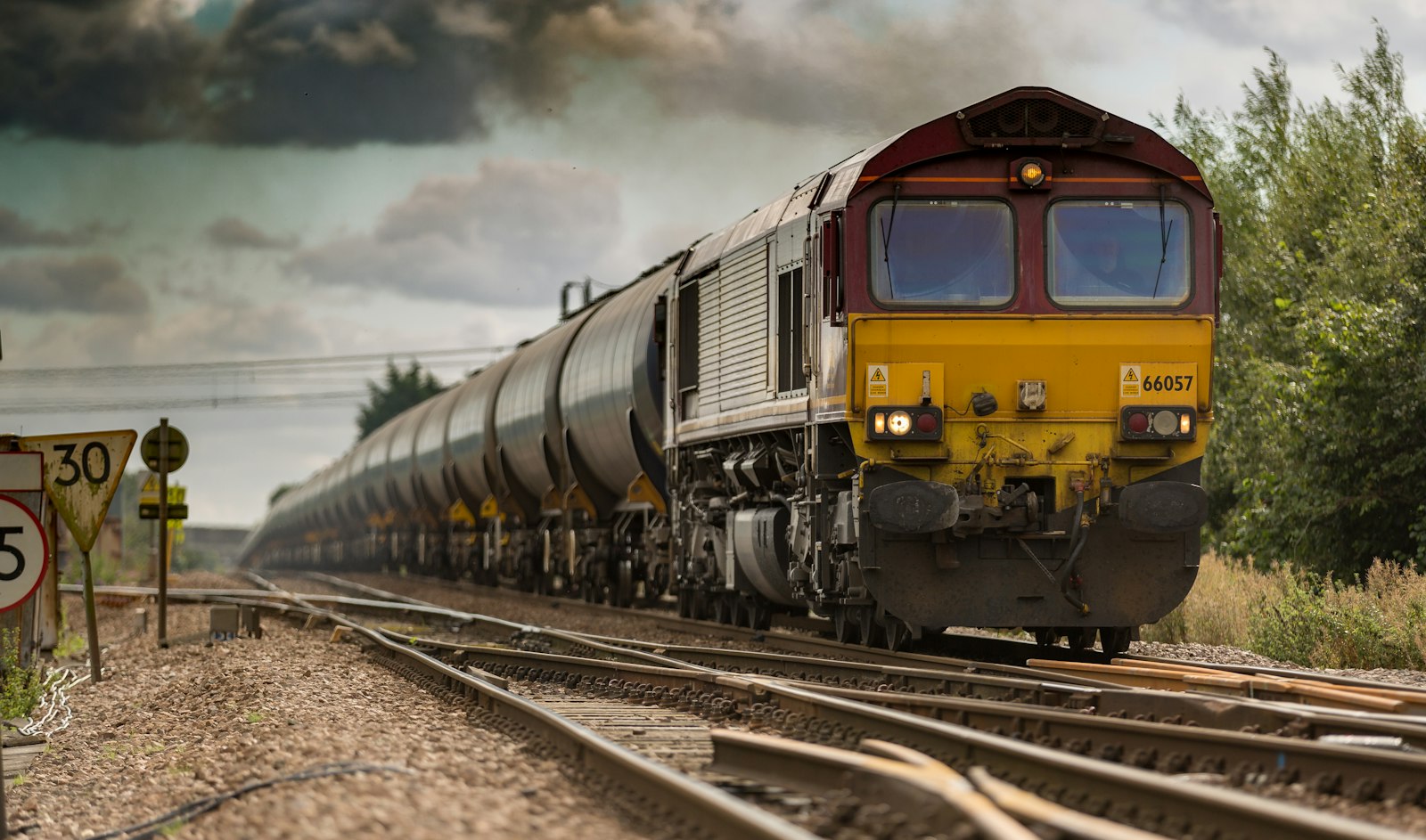
Intercity, regional, and commuter rail share tracks and stations but differ sharply in purpose, distance, ticketing, and comfort — understanding those differences helps you pick the right service and avoid surprises on the platform.
Why the Distinction Matters
Walk into a major train station in Chicago, Paris, Tokyo, or Sydney and you will find multiple rail services departing from the same building. Some trains are heading hundreds of miles away; others loop through suburbs every twelve minutes. Booking the wrong service — or not knowing a cheaper regional option exists alongside a premium intercity train — can cost you time and money. The three broad categories of passenger rail each have their own logic, and once you understand that logic, navigating any rail network becomes far more intuitive.
Intercity Rail: Long Distance, Curated Experience
Intercity rail connects major cities across significant distances — typically 100 miles or more, though definitions vary by country. These are the trains most travelers picture when they imagine "taking the train": reserved seats, onboard catering, luggage racks, and arrival at a city-center station without an airport security queue.
- Speed: Intercity services range from conventional express trains (80–120 mph in many countries) to high-speed rail exceeding 180 mph on dedicated tracks.
- Ticketing: Advance booking is strongly recommended and often yields significant savings. Seat reservations are usually mandatory or strongly advisable, and prices often follow airline-style yield management — the earlier you book, the less you pay.
- Operators: Often a national or quasi-public carrier (Amtrak in the US, SNCF in France, DB Fernverkehr in Germany, JR in Japan). Private intercity operators are growing in some markets.
- Amenities: Expect classes of service (standard, first, business), dining cars or trolley service, power outlets, and sometimes Wi-Fi. Overnight intercity trains add sleeping cabins and couchettes.
- Station experience: Larger intercity stations often have dedicated lounges for premium passengers, left-luggage facilities, and extensive dining and retail — worth exploring on the relevant airport or station page on TravelerPulse.pro before you travel.
The primary trade-off is cost and scheduling. Intercity trains run less frequently than regional or commuter services, and missing your reserved train can mean buying a new ticket.
Regional Rail: The Versatile Middle Layer
Regional rail occupies the space between long-distance intercity services and urban commuter networks. These trains typically serve a corridor of 30 to 200 miles, stopping at towns and smaller cities that intercity expresses bypass.
- Speed and stops: Regional trains make more intermediate stops than intercity services and usually run at conventional speeds, meaning journey times are longer mile-for-mile.
- Ticketing: Often more flexible than intercity — many regional services accept walk-up fares, open-return tickets, or rail passes without mandatory reservations. Prices tend to be lower, though not always.
- Operators: Regional rail is frequently operated under public-service contracts, sometimes by the national rail operator, sometimes by a regional authority or a private concessionaire. Funding and governance vary enormously by country.
- Amenities: More spartan than intercity — expect decent seating and bike/luggage space, but rarely full dining service. Wi-Fi is increasingly common but not universal.
- Who uses them: A mix of leisure travelers visiting smaller destinations, passengers connecting to or from intercity services, and longer-distance commuters.
Regional rail is often underused by international tourists, who default to intercity bookings. If your destination is a mid-sized town rather than a capital city, a regional service may be your only rail option — or a significantly cheaper one worth considering.
Commuter Rail: Built for the Daily Rush
Commuter rail — also called suburban rail, S-Bahn, RER, or metro rail depending on the country — is designed to move large numbers of people between a city core and its surrounding suburbs or satellite communities. Everything about it is optimized for frequency and capacity during peak hours.
- Distance: Typically 10 to 60 miles from the urban center, though some systems extend further.
- Frequency: Services every 10–30 minutes during peaks, less frequent off-peak and on weekends. Timetables are usually clockface patterns, easy to memorize.
- Ticketing: Generally zone-based or flat-fare, paid at ticket machines or via contactless payment cards and transit apps. Monthly passes are the norm for regular commuters. Tourists often use day passes or tap-to-pay.
- Operators: Usually a regional transit authority rather than a national operator. Funding comes from a mix of fares and public subsidy.
- Amenities: Minimal — seating, standing room, doors designed for fast boarding. Overhead luggage space may be limited. Bike policies vary; peak-hour restrictions are common.
- Who uses them: Primarily daily commuters, but also travelers heading to airport rail links, outer-suburban attractions, or connecting to intercity services at suburban stations.
For travelers, commuter rail is most useful for getting between a city center and a nearby airport, reaching a suburban attraction, or avoiding city-center traffic when arriving by intercity train at an outer station.
How the Three Systems Interact
In practice, a single journey often stitches all three categories together. A traveler might take commuter rail from a suburb to the main city station, board a regional train to a junction city, then transfer to an intercity express for the final leg. Understanding which ticket covers which segment — and whether a single through-ticket or rail pass applies — is essential planning work.
Key integration points to research before you travel:
- Whether your intercity ticket or rail pass includes connecting regional or commuter segments
- Whether reservations are required on top of a pass for intercity trains (they often are)
- How much time to allow for cross-platform transfers at interchange stations
- Whether baggage rules differ between operators on the same itinerary
Ticketing Strategies by Rail Type
Each category rewards a different booking approach.
- Intercity: Book as far ahead as possible for the best fares. Use the operator's own website or a country-specific rail booking platform. Check whether a rail pass or point-to-point ticket works out cheaper for your itinerary.
- Regional: Walk-up tickets are often fine; rail passes frequently cover these services without extra reservation fees. Confirm with the relevant operator.
- Commuter: Use contactless bank cards, the local transit app, or a day/multi-day pass. Avoid buying paper single tickets repeatedly — it is almost always more expensive than a pass.
Rail Passes and Which Services They Cover
Rail passes (such as Eurail in Europe or JR Passes in Japan) typically focus on intercity and some regional services operated by the national carrier. Commuter rail operated by a separate regional authority is frequently excluded. Always read the pass validity terms carefully, and check whether seat reservation surcharges apply to high-speed intercity trains even with a valid pass — this catches many first-time pass holders off guard.
Luggage, Bikes, and Accessibility
Rules differ meaningfully across categories:
- Intercity: Generous luggage allowances, dedicated bike spaces (often bookable in advance), and good accessibility features in modern rolling stock.
- Regional: Usually accommodating for luggage and bikes, though older rolling stock may have limited space. Check ahead for bike reservations if cycling is part of your itinerary.
- Commuter: Overhead racks are limited. Large suitcases during peak hours draw scowls at best and can be genuinely impractical. Bike carriage is often restricted during rush hours. Accessibility at stations varies widely, particularly at older suburban stops.
Country-by-Country Variations
The terminology and structure of these three rail tiers shift considerably around the world. In the United States, intercity rail is sparse outside the Northeast Corridor, and commuter rail networks vary enormously by metropolitan area. In Japan, the categories blur: the JR network carries both high-speed Shinkansen and local commuter services. In Germany, a clear hierarchy runs from ICE (intercity express) down through IC, EC, and RE (regional express) to S-Bahn commuter rail. In the UK, most rail is operated by franchise holders, and the distinction between intercity and regional is partly one of route rather than operator branding.
Before traveling in an unfamiliar country, spend time on that country's national rail operator website — and use the Passport & Visa information on TravelerPulse.pro if your rail journey crosses international borders, since some cross-border regional and intercity trains require advance visa arrangements.
Practical Tips for Every Rail Category
- Screenshot your ticket and download any offline timetable apps before you lose mobile data.
- Validate physical tickets where required — many European regional and commuter systems require stamping before boarding, and inspectors issue fines regardless of whether you paid.
- Arrive at intercity departures at least 10–15 minutes early; platforms are often assigned just minutes before departure at busy stations.
- For commuter rail, travel off-peak when possible to avoid crowding and, in some systems, to access cheaper off-peak fares.
- Use My Travel Hub on TravelerPulse.pro to keep confirmation numbers, seat assignments, and connection details organized in one place.
Frequently Asked Questions
Can I use an intercity ticket on a regional or commuter train if I miss my connection?
Policies vary by operator and country. Some operators endorse your ticket to the next available service automatically; others require you to queue at a ticket office or pay again. Check the specific operator's missed-connection policy before you travel, and allow generous transfer times when booking connecting segments yourself.
Is commuter rail always slower than regional rail?
Not necessarily in terms of top speed, but commuter rail makes far more stops, so average journey speeds are lower over any meaningful distance. If both a commuter and a regional service cover the same corridor, the regional train will almost always be faster between endpoints.
Do rail passes work on commuter rail?
Usually not for commuter services operated by a separate transit authority. Some passes include S-Bahn or RER services within specific city zones; others explicitly exclude them. Read the pass terms or contact the issuer before assuming coverage.
Which type of rail is most reliable for time-sensitive travel?
Intercity trains on dedicated high-speed lines often post the best on-time records. Commuter rail can suffer from peak-hour delays. Regional rail performance varies widely by network. For important connections — particularly to catch a flight — always build in buffer time regardless of rail category.
Conclusion
Intercity, regional, and commuter rail each have a distinct role in the broader transport ecosystem. Intercity trains offer speed and comfort over long distances; regional trains fill the gaps between cities and towns; commuter rail keeps urban areas moving at high frequency. Recognizing which category serves your specific journey — and adjusting your booking strategy and expectations accordingly — turns rail travel from a source of confusion into one of the most reliable, efficient, and enjoyable ways to move through a country.




