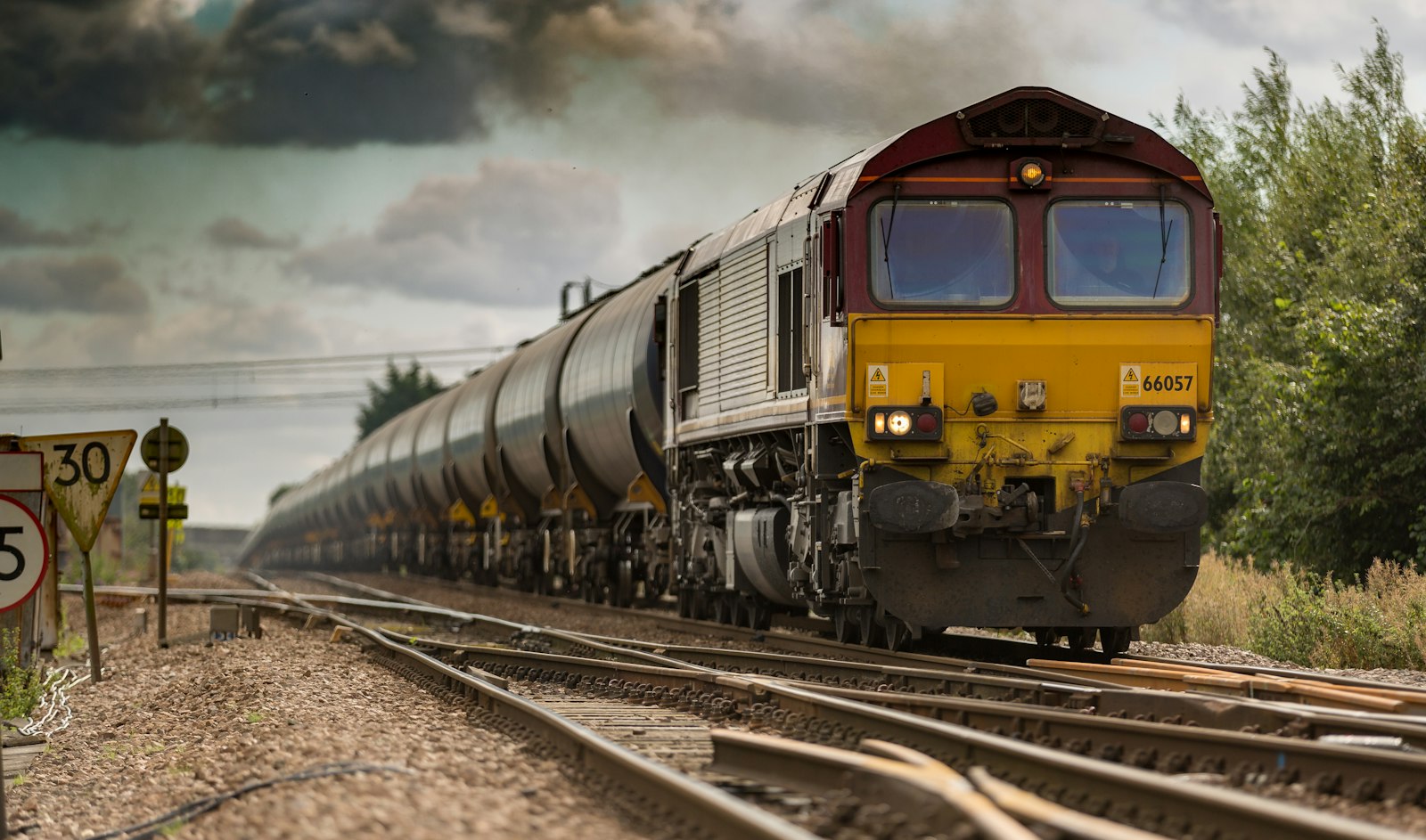
From high-speed cross-border expresses in Europe and Asia to classic overnight sleepers threading through multiple countries, international train travel offers a uniquely immersive way to move through the world — but it requires planning that goes well beyond buying a domestic ticket.
Why Travel by International Train?
Rail travel between countries delivers several practical advantages over flying. City-center stations eliminate the long airport transfers that quietly devour hours from short-haul itineraries. Luggage travels with you in the cabin — no checked-bag fees, no baggage carousels. Sleeper trains convert travel time into rest time, effectively giving you a hotel night while you move. And the sheer variety of landscape visible through a wide train window is something no economy-class porthole can replicate.
That said, international trains demand more research than domestic ones. Border formalities, ticket systems spread across multiple operators, rail-pass fine print, and seat-reservation requirements all add layers that can trip up the unprepared traveler.
Understanding the Rail Networks
Unlike aviation, there is no single global rail authority. International train travel is stitched together from national and private operators that cooperate — sometimes seamlessly, sometimes not.
- Europe: The most integrated international rail network on earth. Operators such as Eurostar, Thalys/Eurostar (now merged), TGV Lyria, Railjet, and many others link dozens of countries. Through-ticketing and joint booking are increasingly common, though not universal.
- Asia: High-speed networks in China, Japan, South Korea, and Taiwan are world-class but largely national. Cross-border options exist — notably between China and its neighbors — but typically require separate tickets per country and careful attention to visa requirements.
- North America: Amtrak operates limited cross-border services to Canada (the Adirondack to Montreal; the Maple Leaf to Toronto). No passenger rail currently crosses into Mexico.
- Africa & South America: Genuine international passenger rail is sparse. Research individual corridor options carefully, as services change frequently.
Rail Passes vs. Point-to-Point Tickets
One of the first decisions you will make is whether to buy a rail pass or individual tickets. Neither is universally better.
Rail Passes
Passes such as Eurail (for non-European residents) and Interrail (for European residents) grant a set number of travel days within a defined period across participating countries. They work best for travelers covering many destinations quickly and spontaneously. Key caveats:
- Many high-speed and overnight trains require a seat or couchette reservation on top of your pass — these carry an extra fee and can sell out.
- Passes rarely cover high-speed services in full without surcharges (e.g., Eurostar, some TGV routes).
- A pass only saves money if you actually use enough travel days. Calculate your planned routes before purchasing.
Point-to-Point Tickets
Booking specific trains in advance — sometimes months ahead — usually yields the lowest fares on popular corridors. Early-booking discounts on European high-speed trains can be substantial. The trade-off is inflexibility: miss a train and you may need a new ticket.
A mixed strategy often works well: a pass for flexible regional travel, point-to-point tickets locked in for key high-speed legs.
Where to Buy Tickets
Buying international rail tickets can feel labyrinthine because no single platform sells every route. Common sources include:
- National rail websites (e.g., SNCF for France, Deutsche Bahn for Germany, Trenitalia for Italy) — often the cheapest for their own trains and sometimes allow cross-border booking.
- Multi-operator booking platforms — aggregate tickets from several operators into one transaction, which is convenient but may add a booking fee.
- Operator apps — increasingly essential; some operators issue mobile tickets only and do not support third-party platforms.
- Station ticket offices — useful for complex itineraries, sleeper reservations, or when online booking in a foreign language feels overwhelming.
Always verify the exact ticket conditions: refundability, exchange policy, and whether a reservation is included or must be added separately.
Border Formalities and Passport Control
Crossing an international border by train is different from doing so at an airport. How different depends entirely on which countries are involved.
- Schengen Area (Europe): Most internal Schengen border crossings have no passport checks at all. You will not even notice the train has crossed. Temporary controls are occasionally reinstated — check current news before travel.
- UK–Europe (Eurostar): Passport and customs checks happen at the departure station (London St Pancras, Paris Gare du Nord, Brussels-Midi, Amsterdam Centraal). Arrive well before departure — guidelines specify significant check-in lead times similar to a short-haul flight.
- Non-Schengen or intercontinental crossings: Border officers board the train at the frontier or at a designated border station. Have your passport and any required visas immediately accessible. Do not lock them in overhead luggage. Customs declarations may also be required.
Visa requirements for train travelers are identical to those for any other mode of entry. For authoritative, up-to-date visa and entry information, consult the official government immigration websites of each country you will enter. You can also use the Passport & Visa section on TravelerPulse.pro as a starting reference to understand what documentation you are likely to need before verifying with official sources.
Sleeper and Night Trains
Overnight trains are enjoying a genuine revival in Europe, with new services launching across the continent. Understanding accommodation classes prevents expensive surprises.
- Seat: The cheapest overnight option — a reclining seat. Acceptable for short overnight legs; tiring on journeys exceeding six or seven hours.
- Couchette: A fold-down bunk in a shared compartment (typically four or six berths). Bedding is usually provided. Lockers are available for valuables. Practical and affordable.
- Sleeper cabin: A private or semi-private compartment with proper beds. Often includes dinner service or at least breakfast and a welcome drink. Comparable in cost to a budget hotel night when you factor in transportation.
Book sleepers as early as possible. Popular routes — notably Vienna to Paris, Zurich to Amsterdam, and Stockholm to Hamburg — sell out weeks or months in advance, especially in peak season.
Luggage Rules and Practicalities
International trains generally impose no strict weight limit on carry-on luggage the way airlines do, but practical constraints apply. Overhead racks and end-of-carriage luggage areas have finite space. On busy trains, arriving at your departure station with time to spare means a better chance of securing overhead rack space near your seat.
- Most trains do not offer checked luggage services for international travel. Everything you bring must be manageable by you, alone, on and off the train.
- Some operators offer luggage-forwarding partnerships — useful for travelers moving between cities who do not want to drag bags through multiple stations.
- Valuables should never be left unattended, especially on overnight trains. Use the provided storage lockers in couchette and sleeper compartments, and keep documents and electronics with you when you sleep.
High-Speed International Services Worth Knowing
A handful of routes represent the best of what cross-border rail can offer in terms of speed, comfort, and frequency.
- London–Paris (Eurostar): Roughly two and a half hours city center to city center, under the English Channel.
- Paris–Brussels–Amsterdam (Thalys/Eurostar): Connects three major capitals in a single seamless journey.
- Frankfurt–Paris (TGV/ICE): A joint German-French high-speed service linking two economic powerhouses.
- Zurich–Milan (Cisalpino/Trenitalia/SBB): Crosses the Alps through stunning scenery in around three and a half hours.
- Beijing–Hong Kong (High-Speed Rail): A landmark infrastructure achievement covering over 2,400 km with a border crossing at West Kowloon.
- Singapore–Kuala Lumpur: A well-traveled overnight or day train corridor; check current operator details and schedules as service arrangements have evolved.
Food, Amenities, and Connectivity
Onboard services vary widely by operator, route, and ticket class. General expectations:
- Dining cars and bistros exist on most long-distance and high-speed international trains, though quality and pricing range from excellent to mediocre. Bringing your own food is always permitted and often advisable.
- Wi-Fi is increasingly available but reliability through tunnels, rural areas, and border zones is inconsistent. Download offline maps, tickets, and entertainment before you board.
- Power outlets — usually one per seat in first class, often shared in second class. Bring a multi-plug adapter for European outlets if your devices use different plug types.
- Toilets are available on all international trains; cleanliness and whether they are bio or chemical systems varies.
Currency, Payments, and Onboard Purchases
Most dining and trolley services on modern international trains accept major credit and debit cards. However, carrying a small amount of local currency is wise — particularly on older rolling stock or when crossing into countries with different currency systems. If your train crosses a Eurozone–non-Eurozone border (say, Switzerland into France), onboard prices may be listed in one currency and change after the border. Staff will usually accept either.
Staying Organized Across Multiple Borders
A multi-country rail trip generates a considerable paperwork trail: e-tickets from different operators, reservation confirmations, rail pass validation records, and entry documentation for several countries. Keeping these organized prevents panicked searches through your email at 2 a.m. on a sleeper train while a border officer waits.
Travelers who use My Travel Hub on TravelerPulse.pro can consolidate itinerary documents, station information, and trip notes in one place — useful when juggling connections across time zones and languages.
Frequently Asked Questions
Do I need a visa specifically for train travel, or do normal entry rules apply?
Normal entry rules apply regardless of how you enter a country. Arriving by train confers no special exemptions. If a country requires a visa for your nationality, you need it before boarding a train that will cross that border. Always verify requirements with official government immigration sources for every country on your itinerary.
Can I break a journey and reboard a later train on the same ticket?
This depends entirely on the ticket type and operator. Some open or flexible tickets explicitly allow stopovers; most cheap advance tickets do not. Check the specific fare conditions when booking — do not assume.
What happens if I miss a connection due to a train delay?
If both trains are on a single through-ticket or booking issued by one operator, the operator is generally responsible for rebooking you at no extra charge. If you hold separate tickets from different operators, you bear the risk of a missed connection yourself — build generous transfer times into your itinerary, especially at busy international hubs.
Is it safe to sleep on overnight international trains?
Overnight trains are generally safe. Couchette and sleeper compartments can be locked from inside, and staff patrol the train. Use common-sense precautions: keep valuables secured or on your person, and be aware of your surroundings at border stops where compartment doors may be opened by officials.
How far in advance should I book international rail tickets?
For popular high-speed routes and sleeper trains — especially in summer, around major holidays, or on newly launched services — booking two to three months ahead is prudent. Less popular daytime routes can often be booked a few weeks out, or even the day before, without issue.
Final Thoughts
International train travel rewards preparation. Understanding how ticket systems, border procedures, and sleeper accommodations work before you set foot on a platform transforms what can seem complicated into a genuinely enjoyable and efficient way to move across countries and continents. The infrastructure is there; the experience is rich. The only real work is doing the homework first.
For station-specific information — terminals, lounges, dining, and transit connections — explore the airport and station pages on TravelerPulse.pro as you build out your route.



