
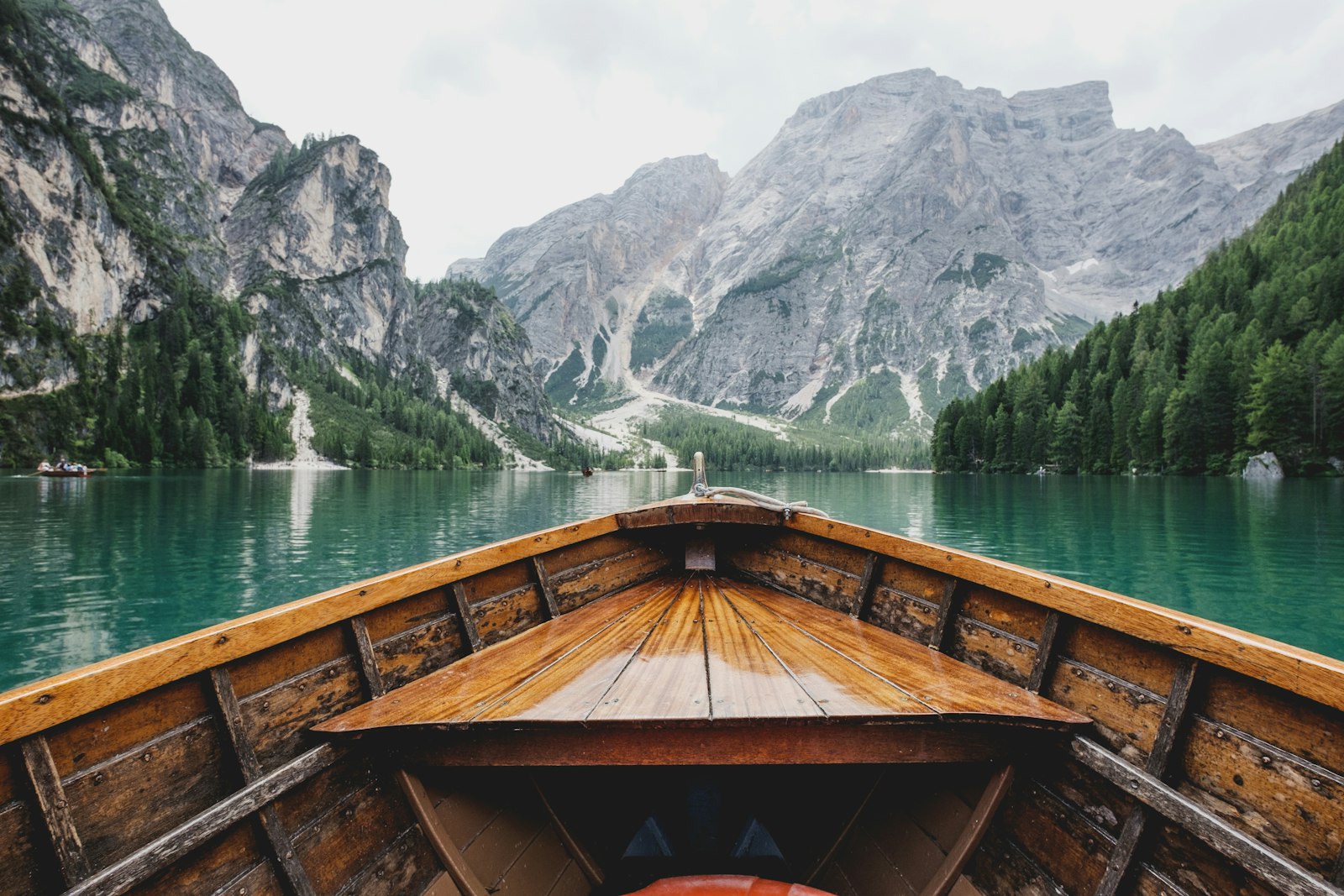
Whether you are drawn to the mirror-calm waters of a high-altitude Andean lake, the vast inland sea of Lake Baikal, or a quiet glacial tarn tucked into a mountain cirque, lakes offer some of travel's most rewarding and accessible natural experiences — this guide helps you plan, prepare, and make the most of them.
Why Lakes Deserve a Place on Your Travel List
Lakes are often overshadowed by coastlines and mountain summits, yet they combine the best qualities of both: dramatic scenery, wildlife, water-based activity, and cultural depth. Many of the world's most celebrated lakes sit at the heart of entire regional identities — Lake Titicaca for Andean indigenous culture, the East African Rift lakes for biodiversity, the Swiss and Italian lakes for centuries of art and architecture, and the North American Great Lakes for sheer scale.
Unlike ocean destinations, lakes are generally calmer, more predictable in weather patterns near the shore, and often surrounded by communities that have built their entire way of life around the water. That intimacy — between people and lake, between landscape and culture — is what makes lake travel feel genuinely different from other nature trips.
Understanding the Types of Lakes You Might Visit
Not all lakes are alike. Knowing what kind of lake you are heading to helps set realistic expectations for weather, activities, and access.
- Glacial lakes — formed by retreating glaciers, typically crystal-clear, cold, and found at higher elevations. Examples include those throughout the Alps, Patagonia, and the Canadian Rockies.
- Tectonic or rift lakes — created by the movement of the Earth's crust, often extremely deep and ancient. Lake Baikal in Siberia and the Great Rift Valley lakes of East Africa fall into this category.
- Volcanic crater lakes — formed inside dormant or extinct volcanic calderas. Some are strikingly colored due to mineral content; access can vary with volcanic activity.
- Oxbow and floodplain lakes — formed when rivers change course, common in tropical regions and rich in birdlife.
- Reservoir lakes — human-made, often serving recreational, hydro-electric, or water-supply purposes. These can still offer excellent outdoor experiences.
- Saline lakes — lacking outlets, these concentrate minerals and salt over millennia. Some, like those on the Bolivian Altiplano, turn vivid shades of red or green due to algae and mineral content.
Choosing the Right Lake for Your Travel Style
The world contains hundreds of thousands of lakes, so narrowing down your options starts with honest self-assessment about what kind of experience you want.
For solitude and wilderness: Look to less-visited corners of Scandinavia, Siberia, the Canadian Shield, or the highlands of Central Asia, where lakes are plentiful and infrastructure minimal. Self-sufficiency matters more here.
For cultural immersion: Lakes surrounded by longstanding communities — think Lake Atitlán in Guatemala, Lake Inle in Myanmar, or the Italian Lake District — offer markets, boat-based villages, historic towns, and local cuisine directly tied to the water.
For outdoor adventure: Lakes with established trail networks, kayaking, sailing, scuba diving, or fishing infrastructure give active travelers a structured framework. Many national park lakes worldwide fall into this category.
For comfort and scenery: Classic European lake districts — Switzerland, northern Italy, the Austrian Salzkammergut, and the English Lake District — pair spectacular water and mountain scenery with well-developed hospitality, transport links, and accommodation.
Best Seasons and Weather Considerations
Season matters enormously at lake destinations, often more than travelers realize. A lake that looks inviting in summer promotional photos may be shrouded in mist, frozen solid, or plagued by biting insects at other times of year.
- High-altitude lakes can be snowbound or iced over for large portions of the year. Confirm access windows before booking.
- Tropical lakes are subject to monsoon and dry season cycles that dramatically affect road access, water levels, and the presence of wildlife.
- Temperate-zone lakes generally peak in late spring through early autumn, but shoulder seasons often reward visitors with fewer crowds and lower prices.
- Frozen-lake experiences — ice fishing, dog sledding, driving on ice roads — require winter visits and come with their own safety considerations.
Local tourism boards and national park services are the most reliable source of current seasonal guidance for any specific lake destination.
Getting There: Access and Transportation
Many celebrated lake destinations are not directly served by major airports. Plan for layovers, regional flights, and overland legs. A few practical principles:
- Research the nearest major airport and then the onward connection — bus, train, ferry, or rental car — to the lake itself.
- In mountainous regions, road access can be seasonal or subject to sudden closure. Always check current conditions through local authorities or park services.
- Ferries and boat services are common on larger lakes and often the primary means of getting between lakeside towns. Schedules vary by season.
- Some remote lakes are accessible only by floatplane, guided expedition, or multi-day trek. Factor that into your time and budget planning.
Use the airport pages on TravelerPulse.pro to research terminal facilities, ground transport options, and dining at your nearest gateway airport before you travel.
Accommodation Options at Lake Destinations
Lake destinations span the full spectrum of lodging, from backcountry campsites to historic grand hotels with direct water frontage.
- Lakefront hotels and resorts are the classic choice but often command premium pricing, particularly in European lake districts during peak season. Book well in advance.
- Guesthouses and B&Bs in surrounding villages typically offer better value and a more local atmosphere.
- Camping — both established campgrounds and, where permitted, backcountry camping — is ideal for remote or wilderness lakes. Check regulations carefully; many protected areas require permits and enforce leave-no-trace rules.
- Boat-based accommodation (houseboats, traditional floating guesthouses) exists at certain destinations and offers a genuinely unique perspective on lake life.
Activities and Experiences on and Around Lakes
The lake itself is just the beginning. Most lake destinations offer a layered set of activities that extend well beyond simply looking at the water.
- Hiking and trekking: Lakeside and lake-circuit trails are among the most rewarding walks in travel. Many lakes are ringed by long-distance routes.
- Kayaking and canoeing: Paddle craft give independent access to coves, inlets, and small islands that larger boats cannot reach.
- Sailing and motorboat hire: Common on larger lakes; licensing requirements vary by country and lake size.
- Swimming and diving: Water clarity, temperature, and safety vary enormously. Research local conditions, and heed any posted warnings about currents, cold-water shock, or blue-green algae.
- Fishing: Many lakes support local and sport fishing. Permits are almost universally required; check regulations with local wildlife or fisheries authorities.
- Wildlife observation: Birdlife is often exceptional around lakes. Larger rift lakes support hippos, crocodiles, and flamingos; boreal lakes offer loon calls and bear sightings.
- Cultural and heritage touring: Many lakeside communities have museums, historic churches, boat-building traditions, and markets worth exploring on foot.
Health, Safety, and Environmental Awareness
Lake travel carries specific considerations that differ from ocean or mountain trips.
Water safety: Open-water swimming in unfamiliar lakes carries risks including cold-water shock, unexpected depth changes, underwater currents, and waterborne illness. Never swim alone in remote areas. Be aware that freshwater diseases (including schistosomiasis in certain tropical lakes) are a genuine concern in some regions — check travel health advisories from your government's health authority before swimming.
Altitude: Many of the world's most spectacular lakes sit at high elevation. Acclimatize properly, stay hydrated, and recognize the symptoms of altitude sickness.
Wildlife: In regions with large wildlife (hippos, crocodiles, bears), local guidance on safe distances and behavior is essential, not optional.
Environmental responsibility: Lakes are fragile ecosystems. Avoid single-use plastics near the water, use biodegradable soaps and sunscreens if swimming, stay on designated trails, and follow all leave-no-trace principles. Many of the world's most iconic lakes are under significant environmental pressure.
Visas, Entry, and Practical Formalities
Lake destinations span nearly every country on Earth, so entry requirements vary widely. Some of the most remarkable lake experiences — Lake Baikal, certain East African Rift lakes, high-altitude Tibetan lakes — sit in countries with specific visa requirements, permit systems, or restricted zones.
Always verify current visa requirements through your own government's official travel advisory portal and the destination country's official immigration authority. The /visas section of TravelerPulse.pro provides a useful starting point for researching passport and visa information before you begin planning in detail.
Planning and Organizing Your Lake Trip
A successful lake trip rewards careful layering of planning: destination research first, then logistics, then daily structure, then flexibility. Build in more time than you think you need — lakes have a way of slowing travelers down in the best possible sense.
Keep your itinerary, accommodation confirmations, transport bookings, and local emergency contacts organized in one place. My Travel Hub on TravelerPulse.pro is designed exactly for this kind of multi-leg trip management, letting you track each element of the journey from gateway airport through to your lakeside base.
Frequently Asked Questions
Is lake travel suitable for families with young children?
Generally yes, though the right lake matters. Calm, shallow-shore lakes with established infrastructure, lifeguarded swimming areas, and easy trails are excellent for families. Remote wilderness lakes demand a higher level of preparation and are better suited to older, experienced young travelers. Always research swimming conditions before arrival.
How do I find less-crowded lakes worth visiting?
The most famous lakes — Como, Tahoe, Titicaca — draw heavy visitor numbers in peak season. Exploring regional lake districts rather than single marquee destinations often reveals equally beautiful alternatives with far fewer crowds. Local tourism boards, hiking forums, and dedicated outdoor communities are good sources for lesser-known recommendations.
What should I pack specifically for a lake destination trip?
Core lake-trip additions to a standard travel kit include: quick-dry clothing and swimwear, water shoes or sandals with grip, a dry bag for electronics on boats or kayaks, insect repellent (particularly important at dawn and dusk near water), a reusable water bottle, and sun protection including a hat. At altitude, add warm layers regardless of season — temperature drops quickly after sundown.
Are lake destinations accessible year-round?
It depends entirely on the lake and its location. Some are genuinely four-season destinations; others have hard weather or access windows of only a few months. Research the specific lake rather than assuming general regional weather patterns apply to the water itself.
Conclusion
Lakes represent one of travel's most versatile and underrated categories of destination. They offer something for almost every kind of traveler — wilderness explorers, cultural seekers, families, adventure athletes, and those simply in need of a few days of exceptional scenery and calm. The key is matching the right lake to your interests, understanding the seasonal and logistical realities, and arriving with enough preparation to stay safe and travel responsibly. Do that, and a lake can become one of the most memorable places you have ever been.





