
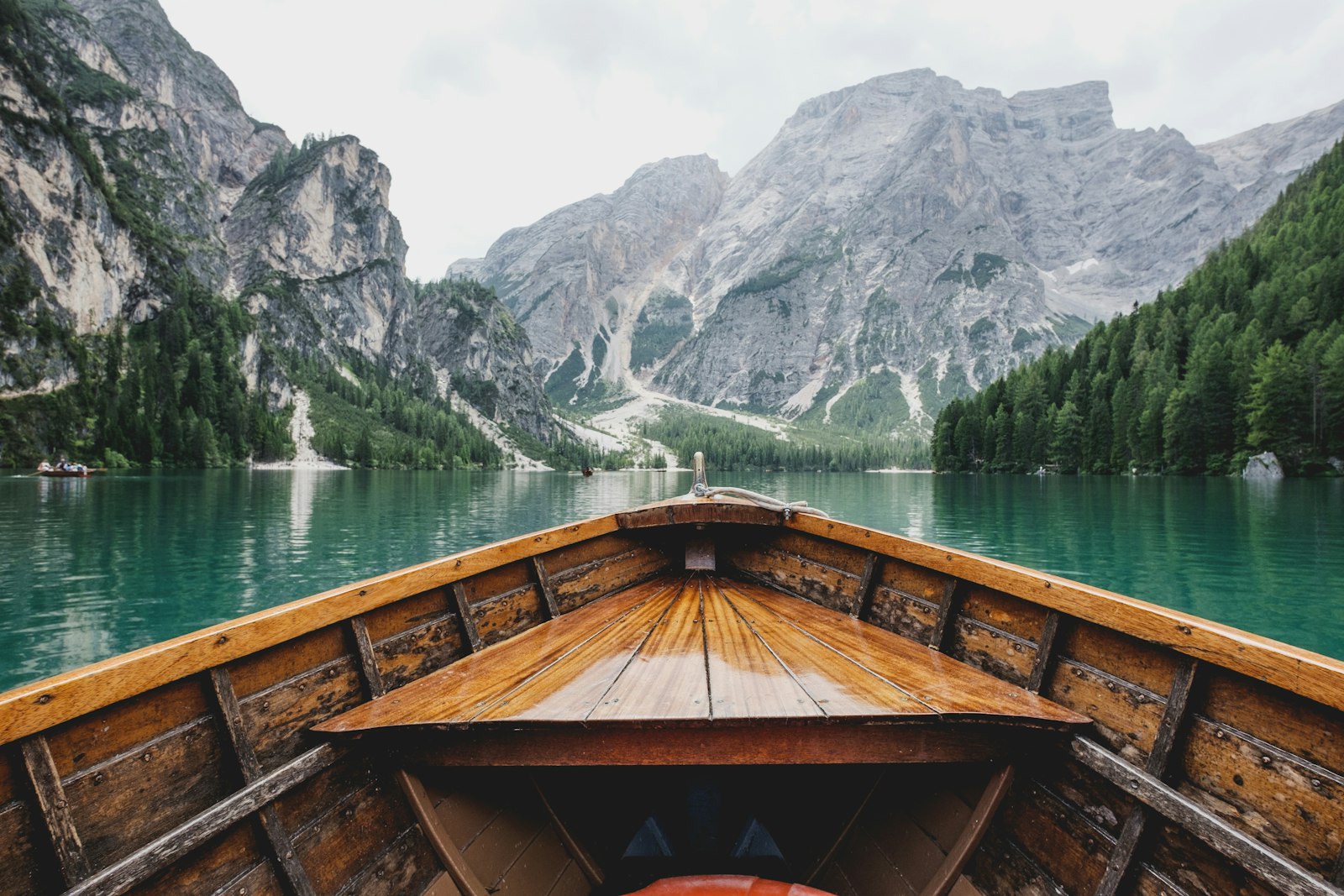
Whether you're chasing alpine summits, exploring high-altitude cultural sites, or simply driving a scenic mountain pass, this guide gives you the practical knowledge to plan, prepare, and travel through mountain destinations with confidence.
Why Mountains Draw Travelers from Every Corner of the World
Mountain landscapes are among the most visited environments on the planet, and for good reason. They concentrate extraordinary scenery into compact, vertical geography: glaciers above flower-filled meadows, ancient trade routes threading through cloud forests, villages that have changed little in centuries. Whether your interest is trekking, wildlife watching, skiing, cultural immersion, or simply breathing cleaner air, the world's mountain ranges offer a version of all of it.
Yet mountains are also demanding environments. Weather changes fast, terrain is unforgiving, and altitude adds a layer of physiological challenge that flat-land travel simply doesn't. Successful mountain travel is a product of good information, honest self-assessment, and careful preparation — all of which this guide addresses.
Choosing Your Mountain Destination
The world's major mountain systems each have a distinct character. A few broad groupings help narrow your thinking:
- The Alps (Europe): Outstanding infrastructure, well-marked trails, charming villages, and world-class ski resorts. Accessible for first-time mountain travelers.
- The Himalayas and Karakoram (Asia): Home to the world's highest peaks. Trekking routes range from teahouse trails accessible to fit beginners to technical expeditions requiring specialist guides.
- The Andes (South America): The longest continental mountain range, crossing multiple countries. High-altitude cultural sites such as Machu Picchu sit alongside challenging multi-day treks and accessible national parks.
- The Rockies and Sierra Nevada (North America): Excellent national park infrastructure, diverse ecosystems, and routes suited to day hikers, backpackers, and road-trippers alike.
- East African Highlands: Volcanoes, crater lakes, and montane forests make ranges such as the Rwenzoris and Kilimanjaro compelling for wildlife-focused and summit-seeking travelers.
Consider elevation range, the season you're traveling, the type of experience you want, and the logistics of getting there before committing to a destination.
Understanding Altitude and Acclimatization
Altitude is the single most underestimated factor in mountain travel. As elevation rises, barometric pressure drops, and the air contains fewer oxygen molecules per breath. The human body adapts, but it needs time.
Altitude sickness — known medically as Acute Mountain Sickness (AMS) — can affect anyone regardless of fitness level. Common symptoms include headache, nausea, fatigue, and disturbed sleep. More serious conditions, High Altitude Pulmonary Edema (HAPE) and High Altitude Cerebral Edema (HACE), are medical emergencies.
General principles for safe acclimatization:
- Ascend gradually. A widely cited guideline is to avoid gaining more than 300–500 meters of sleeping elevation per day above approximately 3,000 meters, but individual responses vary.
- "Climb high, sleep low." Day hikes to higher elevations before returning to a lower camp help your body adapt faster.
- Stay well hydrated. Avoid alcohol and heavy sedatives in the first days at altitude.
- Know the warning signs and descend immediately if serious symptoms appear. Descent is the definitive treatment.
- Consult a travel medicine specialist before your trip. Preventive medications exist, but their use should be discussed with a physician, not self-prescribed.
For any destination above roughly 2,500 meters, build acclimatization days into your itinerary. This is not optional padding — it is risk management.
Mountain Weather: Reading the Sky and Planning Around It
Mountain weather is genuinely different from weather in valleys and cities. Storms build rapidly, often within hours. Temperature drops sharply with elevation — roughly 6–7°C per 1,000 meters is a common reference point, though actual conditions vary. Snow can fall in any month at high elevations. Lightning is a serious hazard on exposed ridgelines and summits.
Practical habits for mountain travelers:
- Check forecasts from mountain-specific services rather than general weather apps. Many popular ranges have dedicated forecast portals run by national meteorological agencies.
- Start demanding hikes or summit attempts early in the day. Afternoon thunderstorms are common in many mountain ranges during summer months.
- Carry layers regardless of the morning forecast. Conditions at the trailhead bear little relationship to conditions two hours up the mountain.
- Have a clear turnaround time and stick to it. Summit fever — the impulse to push on despite warning signs — is a leading contributor to mountain accidents.
Gear Essentials for Mountain Travel
The right gear doesn't need to be the most expensive gear, but it does need to be appropriate for your actual conditions. Avoid the twin traps of over-packing for a moderate hike and under-preparing for a serious trek.
A practical foundation for most mountain trips:
- Footwear: Sturdy, broken-in hiking boots with ankle support. Trail runners suffice for well-maintained day trails; technical terrain demands stiffer boots.
- Layering system: Moisture-wicking base layer, insulating mid-layer, and a waterproof/windproof shell. Conditions can shift through all three zones in a single afternoon.
- Navigation: A downloaded offline map (several apps offer topographic layers), a compass if you know how to use one, and a paper map for longer routes.
- Sun protection: UV exposure intensifies significantly with elevation. Sunscreen, sunglasses with UV400 protection, and a brimmed hat are essential.
- Headlamp: An early start or a slower-than-expected return can put you on trail in darkness.
- First aid kit: Include blister treatment, wound care, and any altitude-related medications discussed with your doctor.
- Emergency communication: In remote ranges, a satellite messenger device can be life-saving where cell coverage is absent.
Getting There: Transportation into Mountain Regions
Mountain destinations often sit well beyond major airports. Getting there is part of the journey, and the logistics deserve as much planning as the activities themselves.
Common approaches include flying into a gateway city followed by overland travel — by bus, shared van, private transfer, or rental car — into the mountains. Some ranges have small regional airports at moderate elevation; others require long drives on winding mountain roads.
If you plan to drive yourself, consider road conditions honestly. Many high mountain roads are unpaved, seasonally closed, or require four-wheel drive. Check local road authority websites for current conditions and any permit requirements, which are increasingly common in popular national park corridors.
Train travel connects mountain regions in parts of Europe, Japan, and South America with particular elegance — the journey itself often becomes a highlight. Research rail options early; scenic mountain routes book up well in advance during peak season.
Permits, Fees, and Entry Requirements
Access to many of the world's most celebrated mountain areas is managed through permit systems. Trekking permits, national park entry fees, camping permits, and peak climbing permits are all common, and rules change regularly.
Research permit requirements months in advance for popular routes. Some systems are lottery-based, with application windows opening a year or more before the travel date. Others are first-come, first-served or can be arranged through licensed local operators. Never assume a route is permit-free simply because it was when someone else traveled it.
For visa and entry requirements to the country containing your mountain destination, visit the official immigration authority of that country and cross-reference with your own government's travel advisories. TravelerPulse.pro's /visas section is a useful starting point for understanding the types of documentation mountain trekkers often need.
Guided vs. Independent Travel in Mountains
The decision to hire a guide is partly personal preference and partly an honest assessment of terrain, remoteness, and your own experience level.
Guided travel is strongly advisable — and in some destinations legally required — for high-altitude technical routes, glaciated terrain, or routes in areas where rescue infrastructure is minimal. A qualified local guide brings route knowledge, weather reading, cultural context, and crisis management skills that are genuinely difficult to replicate with research alone.
Independent travel is practical and enjoyable on well-marked trails in regions with good trail infrastructure, reliable weather data, and accessible emergency services. Honest self-assessment matters: experience on moderate trails does not automatically translate to competence in demanding alpine environments.
When hiring guides or trekking companies, look for those affiliated with recognized national guiding associations and ensure they carry appropriate certification and insurance.
Leave No Trace and Responsible Mountain Travel
Mountain ecosystems are fragile. High-elevation soils are slow to recover from compaction, vegetation above treeline takes decades to re-establish after disturbance, and water sources are easily contaminated. The pressure on popular mountain destinations has grown dramatically in recent decades, and travelers carry a real responsibility.
- Stay on marked trails, especially above treeline.
- Pack out all waste, including food scraps. Many mountain parks require you to carry out human waste using purpose-made bags in areas without designated facilities.
- Camp only in designated sites where they exist.
- Respect wildlife by maintaining distance and never feeding animals.
- Use established fire rings where fires are permitted; carry a stove in areas where open fires are prohibited.
Health, Safety, and Emergency Preparedness
Beyond altitude, mountain travel carries injury risks from falls, hypothermia, dehydration, and navigation errors. Preparation reduces but does not eliminate these risks.
Before departure, research the local mountain rescue system. Know what number to call, whether GPS coordinates are useful to rescuers, and what costs may be involved — rescue operations in some countries involve significant expense, making travel insurance with emergency evacuation coverage an important consideration rather than an optional add-on.
Share your itinerary with someone reliable who knows when to raise the alarm if they don't hear from you. This simple step is among the most effective safety measures a solo or small-group traveler can take.
Frequently Asked Questions
Do I need to be a serious hiker to enjoy mountain destinations?
Not at all. Many mountain regions offer scenic drives, cable cars, gondolas, and gently graded paths suitable for all fitness levels. The Dolomites, the Swiss Alps, parts of the Rockies, and numerous other ranges have specifically developed infrastructure for visitors who want mountain scenery without strenuous hiking. Match your itinerary to your honest ability level and you will have a rewarding experience.
How do I know if altitude will affect me?
There is no reliable way to predict individual susceptibility to altitude sickness based on age, fitness, or prior experience. Even very fit athletes can be significantly affected. The only reliable mitigation is gradual acclimatization. Consult a travel medicine physician if you have any cardiac, pulmonary, or other health conditions, or if you plan to travel above 3,500 meters.
What travel insurance do I need for mountain travel?
Standard travel insurance often excludes activities defined as "hazardous" — which can include trekking above certain elevations, mountaineering, or off-piste skiing. Read policy exclusions carefully and purchase a policy that specifically covers the activities and elevations you plan to undertake. Emergency helicopter evacuation coverage is particularly important in remote mountain areas.
What is the best season to visit mountain destinations?
It depends entirely on the range, the activity, and what you prioritize. Summer months typically offer stable weather and open trails in temperate ranges, but also the heaviest crowds. Shoulder seasons bring solitude and often lower costs, with trade-offs in weather reliability. Winter opens ski season but closes many trekking routes. Research the specific destination's weather patterns and peak periods before booking.
Planning Your Mountain Journey
Mountain travel rewards preparation more than almost any other type of travel. The extra time spent researching permits, building in acclimatization days, assembling the right gear, and understanding local conditions pays dividends in safety, comfort, and the depth of your experience.
Use TravelerPulse.pro's My Travel Hub to organize your documents, itinerary, and booking confirmations in one place — particularly useful when your mountain journey involves multiple transport legs and remote accommodation. The more moving parts your trip has, the more valuable a central planning tool becomes.
Mountains ask something of you — preparation, respect, and a degree of humility about their scale and power. In return, they offer landscapes and experiences that stay with travelers for a lifetime.





