
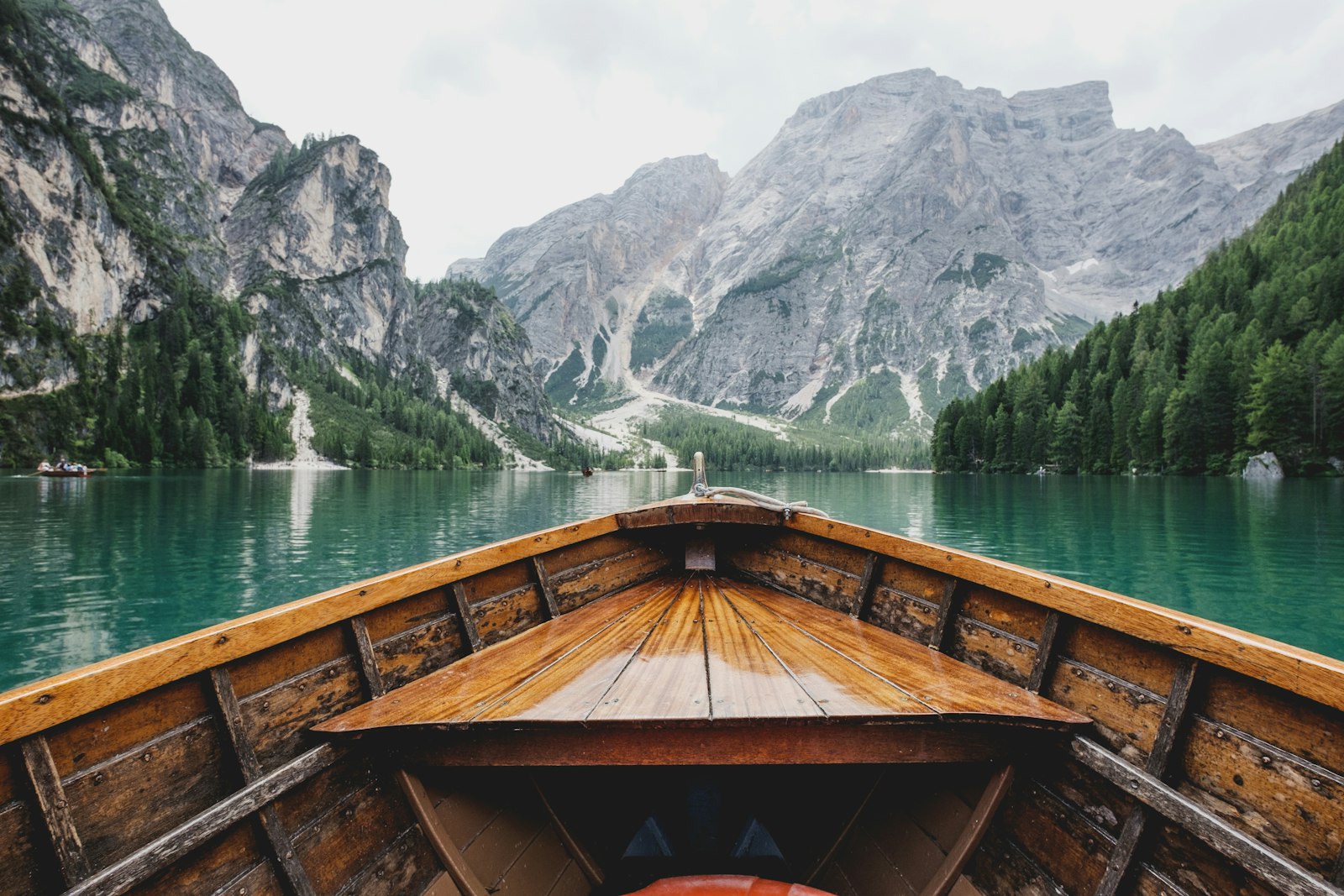
National parks protect some of the planet's most extraordinary landscapes — and with the right preparation, a visit to any of them can be one of the most rewarding journeys of your life.
Why National Parks Deserve a Place on Every Traveler's List
Across every continent, national parks preserve landscapes that exist nowhere else on Earth: ancient forests, volcanic calderas, coral reefs, towering canyon walls, and Arctic tundra stretching to the horizon. These protected areas are not simply scenic backdrops — they are functioning ecosystems, living laboratories, and cultural heritage sites that generations of communities have depended on and fought to protect.
For travelers, a national park visit offers something increasingly rare: genuine immersion in the natural world, largely on the land's own terms. That distinction shapes everything about how you should plan your trip.
Understanding How National Parks Are Managed
Every country administers its protected areas differently. In the United States, the National Park Service oversees hundreds of sites ranging from small historic monuments to vast wilderness preserves. Canada, Australia, South Africa, New Zealand, Kenya, and dozens of other nations operate their own park systems under dedicated agencies, each with distinct rules, fee structures, and conservation priorities.
Before you travel, identify the specific managing authority for your destination park. Their official website is the authoritative source for entry fees, permit requirements, seasonal closures, and current alerts — information that changes regularly and cannot be reliably sourced elsewhere.
Entry Fees, Passes, and Permits
Most national parks charge an entry fee, which funds conservation programs and visitor infrastructure. Many countries and individual park systems offer annual passes that quickly pay for themselves if you plan to visit multiple sites in a year. Common structures include:
- Per-vehicle or per-person fees collected at entrance stations or online in advance.
- Annual or multi-park passes that cover entry to a network of protected areas within a country or region.
- Discounted or free admission for seniors, children, people with disabilities, or residents — eligibility rules vary by country and park.
- Activity-specific fees for camping, guided ranger programs, backcountry access, or boat launches.
Separate from entry fees, many popular parks now require timed-entry reservations or backcountry permits to manage visitor numbers and protect sensitive habitats. These are often released months in advance and sell out quickly for peak dates. Check the park's official reservation system as early as possible — do not rely on third-party ticket resellers, which frequently charge inflated prices and occasionally sell fraudulent passes.
Choosing the Right Season
Timing is one of the most consequential decisions in national park travel. Each park has its own seasonal rhythm, and the "best" time depends entirely on what you want to experience.
- Peak season typically delivers the most reliable weather and the widest range of open facilities — along with the largest crowds, highest accommodation costs, and the greatest competition for permits.
- Shoulder season (the weeks just before and after peak) often offers a favorable balance: reasonable weather, thinner crowds, and better availability for lodging inside or near the park.
- Off-season can be spectacular for solitude and photography, but roads, visitor centers, and concessions may be closed, and weather conditions can be severe or genuinely dangerous for unprepared visitors.
Wildlife viewing, wildflower blooms, fall foliage, snow conditions, and migratory bird activity all follow seasonal windows that vary by park and latitude. Research the specific natural events you hope to witness and plan accordingly.
Getting There and Around
Most national parks were established in remote locations by definition, which means transportation requires advance thought. Options vary widely:
- Private vehicle is the most common approach, offering flexibility. Be aware that parking inside popular parks can be extremely limited during peak periods, making early arrival or shuttle use essential.
- Shuttle systems operate within many high-traffic parks, often making private vehicle use unnecessary and sometimes restricting it entirely in certain zones. Check whether a shuttle is free or requires a separate ticket.
- Public transit reaches some parks, particularly in Europe and parts of Asia, making car-free visits entirely feasible.
- Guided tours provide built-in transportation along with interpretation — a practical choice for parks where independent navigation is difficult or where wildlife viewing benefits from expert guidance (think safari parks in East or Southern Africa).
- Fly-in access is the only practical option for certain remote wilderness parks in Alaska, northern Canada, and similar areas.
Accommodation: Inside vs. Outside the Park
Lodging inside national park boundaries — whether a historic lodge, backcountry hut, or established campground — offers unmatched proximity to the landscape but must typically be booked far in advance, sometimes a year or more for the most sought-after properties. Campground reservations open on a rolling basis on official booking platforms; dates sell out within minutes for popular parks.
Gateway towns situated just outside park boundaries often provide a wider range of accommodation at more competitive prices, with the trade-off of additional driving time. For multi-day itineraries, many experienced travelers combine an inside-park campground with gateway-town accommodation to balance cost, convenience, and the joy of waking up inside the wilderness.
Packing Essentials for Park Visitors
The right gear reduces risk and increases enjoyment regardless of park type. Core principles:
- Layered clothing for variable conditions — mountain and desert environments in particular can swing dramatically in temperature within a single day.
- Navigation tools: a downloaded offline map or paper topographic map, since cell service is unreliable or absent in most parks. Do not rely solely on a phone's GPS signal.
- Water and purification: carry more water than you expect to need and a filter or purification tablets for backcountry access.
- Sun protection: sunscreen, a hat, and UV-protective clothing — especially important at high elevation where UV exposure increases.
- Bear canisters or wildlife-proof containers where required by regulation — check rules before arrival.
- First-aid kit and emergency signaling: a whistle and emergency mylar blanket weigh almost nothing and can be lifesaving.
- Headlamp with spare batteries for any activity that might extend into low light.
Wildlife Safety and Responsible Behavior
National parks concentrate wildlife precisely because animals can live there without the pressures they face in developed areas. This creates extraordinary viewing opportunities — and genuine safety responsibilities for visitors.
- Maintain the minimum safe distance specified by the park for each species. Most parks post these distances clearly; when in doubt, if your presence is visibly affecting the animal's behavior, you are too close.
- Never feed wildlife. It alters animals' natural behaviors, makes them dependent on human food, and can lead to dangerous encounters that ultimately result in the animal being euthanized.
- Store all food, garbage, and scented items (including toothpaste and sunscreen) in approved containers or designated storage facilities — this protects both you and the animals.
- Stay on designated trails to avoid trampling fragile vegetation and to reduce your risk of encountering a startled animal at close range.
Leave No Trace Principles
The internationally recognized Leave No Trace framework provides practical guidance for minimizing your impact in natural areas. Its core ideas apply to nearly every park environment:
- Pack out everything you pack in — including all food waste and packaging.
- Camp on durable surfaces and established sites when possible.
- Dispose of human waste properly using designated facilities or, in the backcountry, following park-specific cathode and waste-bag protocols.
- Leave natural objects — rocks, plants, artifacts — exactly where you find them.
- Minimize campfire impact: use established fire rings where fires are permitted, and observe any fire bans strictly.
- Be considerate of other visitors; noise carries far in open landscapes.
Accessibility in National Parks
Many park systems have made significant investments in accessible infrastructure: paved scenic drives, accessible visitor centers, level boardwalk trails, and auditory or tactile exhibits. Accessibility varies enormously from park to park and country to country, however. Before your trip, consult the park's official site for detailed accessibility guides, and contact the park directly with specific questions — rangers are often the most reliable source of current, accurate information about what is genuinely navigable for your needs.
Visas, Permits, and Health Requirements for International Parks
Visiting a national park in a foreign country means navigating that country's entry requirements in addition to any park-specific permits. Entry visas, health declarations, vaccination records, and travel insurance requirements can all apply — and the rules change. Always check requirements directly with the destination country's official immigration authority and your own government's foreign travel advisory service well before departure. The Passport & Visa section on TravelerPulse.pro can help you think through the questions to ask, but official government sources are the only authoritative reference for current requirements.
Planning Your Itinerary and Keeping It All Organized
A national park visit typically involves more moving parts than a city break: transport logistics, permit windows, campground check-in times, trail conditions, and weather contingencies all intersect. Sketching a flexible day-by-day plan — with alternatives ready for closures or weather — dramatically reduces stress on the ground. My Travel Hub on TravelerPulse.pro is a useful place to consolidate your reservation confirmations, permit numbers, and emergency contact details for the park so everything is accessible in one place during your trip.
Frequently Asked Questions
How far in advance should I book camping in a popular national park?
For the most visited parks during peak season, reservations for the following year's prime summer dates can open as early as six months in advance and sell out within hours. A practical rule: begin checking the official reservation platform the moment your travel dates are set, and set calendar reminders for any future release dates the system lists. For shoulder-season dates, six to eight weeks of lead time is often sufficient, but this varies significantly by park.
Is it safe to hike alone in a national park?
Solo hiking is common and generally manageable with good preparation. Key precautions include telling someone your planned route and expected return time, carrying a personal locator beacon (PLB) or satellite communicator for remote areas where cell service is absent, starting early to avoid afternoon thunderstorms in mountain environments, and being honest with yourself about your fitness level relative to the trail's demands. Many parks also have ranger check-in programs for solo backcountry travelers — take advantage of them.
Can I bring my pet to a national park?
Pet policies vary considerably. Most parks permit pets in developed areas — parking lots, paved roads, some campgrounds — but restrict or prohibit them on trails, in backcountry zones, and in buildings, primarily to protect wildlife. Where pets are allowed, they are almost universally required to be on a leash. Check the specific park's pet policy before arrival to avoid disappointment or fines.
What should I do if a natural disaster or emergency occurs while I'm in the park?
Follow park ranger instructions immediately and without question — they are trained for emergency management in their specific terrain. Know the location of the nearest ranger station or visitor center before you set out each day. Most parks broadcast emergency alerts on specific radio frequencies; if you carry a weather radio or satellite communicator, monitor it in conditions that could change rapidly. Register your backcountry itinerary with park staff so rescue teams know where to look if you do not return as planned.
Final Thoughts
National parks exist because communities chose to set these places apart and protect them. Every visitor shares responsibility for ensuring they remain extraordinary for those who come after. Plan carefully, travel humbly, and the rewards — a moose at dawn, a canyon at golden hour, a sky blazing with stars far from any city — will exceed almost anything a polished resort could offer. The wilderness asks only that you come prepared and leave it as you found it.





