Ocean and river cruises share a nautical spirit but differ enormously in ship size, itinerary style, passenger count, cost, and onboard atmosphere — understanding those differences is the first step toward booking the right voyage.
Why the Choice Matters More Than You Think
Many first-time cruise shoppers compare ocean and river sailings primarily on price, then feel surprised when the experience does not match their expectations. A week on a large ocean ship carries a fundamentally different rhythm than a week drifting along the Rhine or the Mekong. Neither is better in an absolute sense — they suit different travelers, different budgets, and different ideas about what a holiday should feel like. This guide walks through every major dimension of the comparison so you can make a fully informed decision.
Ship Size and Passenger Count
This is the most immediate and visible difference between the two cruise types.
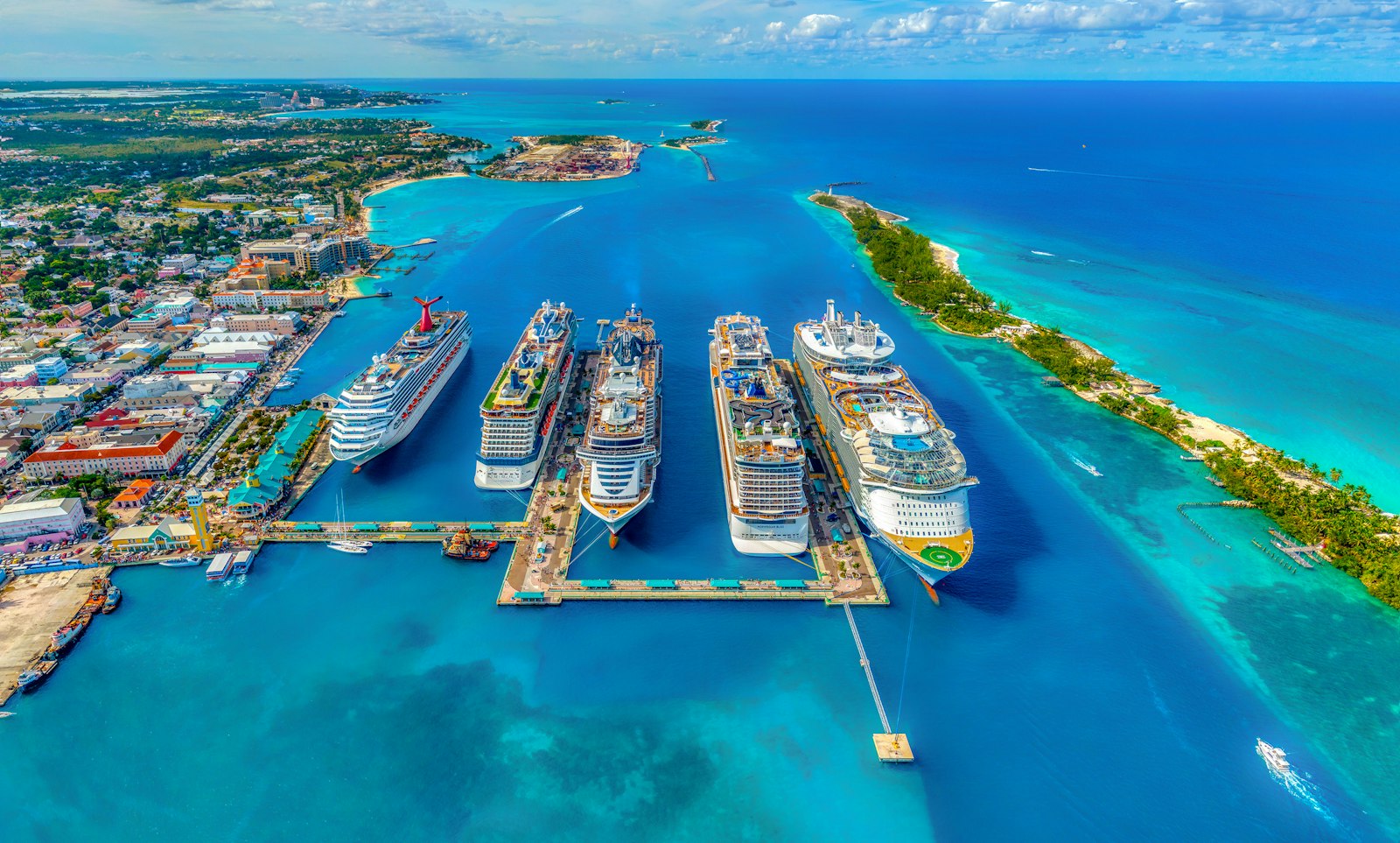
- Ocean ships range from small expedition vessels carrying fewer than 100 passengers to mega-ships accommodating several thousand guests. The largest modern cruise ships are effectively floating resort towns, with multiple restaurants, theaters, water parks, casinos, and shopping arcades.
- River ships are constrained by the width of locks, bridges, and waterways. Most carry between 100 and 200 passengers, though some smaller "boutique" vessels hold fewer than 50. The intimate scale is a defining feature — you will likely know most fellow passengers by name within a day or two.
If you crave anonymity and the option to disappear into a crowd, an ocean ship gives you that. If you prefer a house-party atmosphere where the crew knows your coffee order by day two, a river ship delivers it.
Destinations and Itinerary Style
Both cruise types offer global coverage, but they access the world very differently.
- Ocean cruises visit coastal cities, island chains, and remote ports on every inhabited continent. Popular circuits include the Caribbean, Mediterranean, Alaska, Northern Europe, and transoceanic repositioning routes. Sea days — full days at sea between ports — are a regular feature on longer sailings.
- River cruises penetrate deep into a continent's interior, docking in the heart of historic towns and villages that ocean ships can never reach. Classic rivers include the Danube, Rhine, Douro, Nile, Irrawaddy, Mekong, and Mississippi. You wake up in a new town almost every morning, and the scenery scrolls past continuously even while you are sailing.
River itineraries tend to be geographically compact — a European river cruise might thread through four or five countries in eight days, each within easy cycling or walking distance of the dock. Ocean itineraries often cover greater absolute distances but can spend substantial time at sea rather than in port.
Onboard Experience and Amenities
What you do when you are not in port differs sharply between the two formats.
Large ocean ships are built around onboard entertainment and dining variety. Expect specialty restaurants, Broadway-style shows, sports facilities, spas, casinos, clubs, and organized activities running from early morning to late night. The ship itself can be a primary destination, particularly for families with children or groups with varied interests.
River ships have limited deck space and modest amenities by comparison — a single main dining room, a lounge or bar, perhaps a small sun deck and a wellness area. The experience is deliberately low-key. Evenings might feature a guest lecturer on regional history, a local folk music performance, or simple conversation over dinner. For travelers who find mega-ship stimulation exhausting, this restraint is a relief rather than a shortcoming.
Included vs. Extra Costs
Pricing structures differ significantly, and the sticker price rarely tells the whole story.
- Ocean cruises are often marketed at a base fare that excludes gratuities, specialty dining, shore excursions, drinks packages, Wi-Fi, and other add-ons. Some premium and luxury lines do bundle many of these elements, but mainstream ocean cruising frequently involves substantial spending beyond the headline price.
- River cruises are typically sold on a more all-inclusive basis. Shore excursions, wine and beer with meals, Wi-Fi, and sometimes even gratuities are bundled into the fare on many itineraries. The per-person list price looks higher upfront, but the all-in cost is often more competitive than it first appears.
When comparing quotes, build a realistic total cost for each option — cabin fare plus excursions, drinks, and gratuities — before deciding which represents better value for your travel budget.
Physical Accessibility and Motion
Seasickness is a real consideration for some travelers, and the two cruise types behave very differently on this front.
Ocean ships travel open water and can encounter swells, particularly in destinations like the Drake Passage, the North Atlantic, or the Tasman Sea. Modern stabilizer technology has improved comfort considerably, but motion sickness remains a factor for susceptible passengers. Ships sailing enclosed or sheltered seas — the Caribbean, the inner Mediterranean — tend to be calmer.
Rivers, by definition, are calm. River ships experience negligible motion, making them an appealing option for travelers who are concerned about seasickness or who have mobility considerations that make rough-water voyages uncomfortable.
On accessibility more broadly, both cruise types vary widely by ship and operator. River ships often have shallow gangways and compact corridors. Ocean ships vary from highly accessible mega-ships with elevators and adapted cabins to small expedition vessels that are unsuitable for passengers with significant mobility limitations. Always check accessibility specifications directly with the cruise line before booking.
Pace and Depth of Exploration
River cruises are generally engineered for cultural immersion. Because the ships dock in town centers rather than remote port terminals, passengers can step off and walk into a medieval old town, a market, or a vineyard within minutes. Guided excursions are typically included and designed around regional history, food, and culture. Independent exploration is easy — the ship is right there when you return.
Ocean cruises dock at purpose-built cruise terminals that are sometimes miles from city centers, requiring a taxi, shuttle, or organized tour to reach attractions. That said, some ocean ports — particularly in the Mediterranean — do sit conveniently close to historic centers. The depth of engagement with each destination tends to be shallower simply because the ship moves on quickly and port time is finite. Travelers who want to linger, wander, and absorb a place may find ocean port stops feel rushed.
Voyage Duration and Flexibility
Standard river cruise itineraries run seven to fourteen nights, with fewer options for shorter getaways. Some operators offer three- or four-night "sampler" sailings on popular routes, but the format is less common.
Ocean cruises span an enormous range — from three-night weekend getaways to world voyages lasting several months. This flexibility makes ocean cruising accessible to travelers with limited vacation time as well as retirees looking for an extended journey. Repositioning cruises, which move ships between seasonal markets, can offer excellent per-night value for flexible travelers.
Family Suitability
Most major ocean cruise lines have invested heavily in children's programming — dedicated kids' clubs by age group, teen lounges, family-friendly pools, and activities designed for mixed-age groups. Families traveling with children of varying ages often find a large ocean ship handles the challenge of pleasing everyone more easily than a single-focus itinerary can.
River cruises are marketed predominantly to adults, and many operators set a minimum passenger age of 12 or even 18. The onboard pace and cultural focus are generally better suited to adult travelers, though some lines do offer dedicated family river departures during school holiday periods. Check individual operator policies before booking with children.
Environmental Footprint
Cruising of any kind has a meaningful environmental footprint, and both sectors are under increasing regulatory and consumer pressure to improve. Large ocean ships have historically been associated with significant fuel consumption and emissions, though the industry is investing in liquefied natural gas propulsion, shore power connections, and other technologies. River cruise operators work in environmentally sensitive waterways and face strict local regulations in many countries, which has driven adoption of hybrid and electric propulsion on newer vessels. If sustainability is a priority, research individual ships and operators rather than making assumptions based on vessel type alone.
Which Type Is Right for You?
Use this quick framework to guide your decision:
- Choose an ocean cruise if you want maximum onboard amenities, traveling with children, prefer flexibility in duration, enjoy sea days, or want to cover widely separated destinations in one trip.
- Choose a river cruise if you prioritize cultural depth over onboard entertainment, dislike crowds, are concerned about motion sickness, prefer an all-inclusive pricing model, or want to explore a specific region's interior at a relaxed pace.
Many seasoned cruisers eventually do both — and find that each satisfies a different travel mood. You can use My Travel Hub on TravelerPulse.pro to keep research, bookings, and pre-departure documents organized across multiple trip types in one place.
Frequently Asked Questions
Is a river cruise more expensive than an ocean cruise?
The per-person list price for river cruises is often higher than a comparable ocean cruise cabin fare. However, river cruise fares frequently include excursions, beverages, and gratuities that would be charged as extras on many ocean lines. When you total all costs, the gap narrows considerably — and sometimes reverses. Build a full cost comparison before deciding which represents better value for your itinerary.
Can I get seasick on a river cruise?
Seasickness is extremely unlikely on a river cruise. Rivers are calm bodies of water, and the gentle motion of a river ship is rarely perceptible. Travelers who are prone to motion sickness on ocean voyages generally find river cruising entirely comfortable.
Do I need a visa for a river cruise that passes through multiple countries?
Potentially, yes. A European river cruise might transit five or six countries, each with its own entry requirements. Visa obligations depend on your nationality and the countries visited. Check the official government travel or foreign affairs website for your country well in advance of departure, and review the TravelerPulse.pro /visas section for general guidance on passport and visa research. River cruise operators typically provide a country list for their itineraries to help passengers begin this process.
Are river cruises suitable for solo travelers?
River cruises can be an excellent choice for solo travelers. The small, sociable ship environment makes meeting fellow passengers natural, and many operators have reduced or eliminated solo supplements on selected cabins or departure dates. Compare solo pricing policies across lines before booking, as they vary significantly.
What should I pack differently for each type of cruise?
Ocean cruises — particularly longer ones — often have formal or smart-casual dress codes for certain restaurants and evenings. River cruises dress codes are almost universally relaxed and comfortable. For river cruises, prioritize comfortable walking shoes, since you will be on foot in port nearly every day. For ocean cruises, a broader wardrobe range covers sea-day casual wear through any formal nights the line observes. Check your specific cruise line's dress code policy before packing.
Planning Your Next Cruise
Whether you are drawn to the spectacle of a mega-ship at sea or the quiet intimacy of a river vessel gliding past vineyard-covered hillsides, the best cruise is the one matched to your travel personality rather than someone else's recommendation. Take time to research individual ships, itineraries, and operators — the variation within each category is nearly as large as the variation between them. The TravelerPulse.pro airport pages can also help you navigate embarkation cities, including terminal maps, dining options, and ground transport, so your journey starts smoothly from the moment you land.



