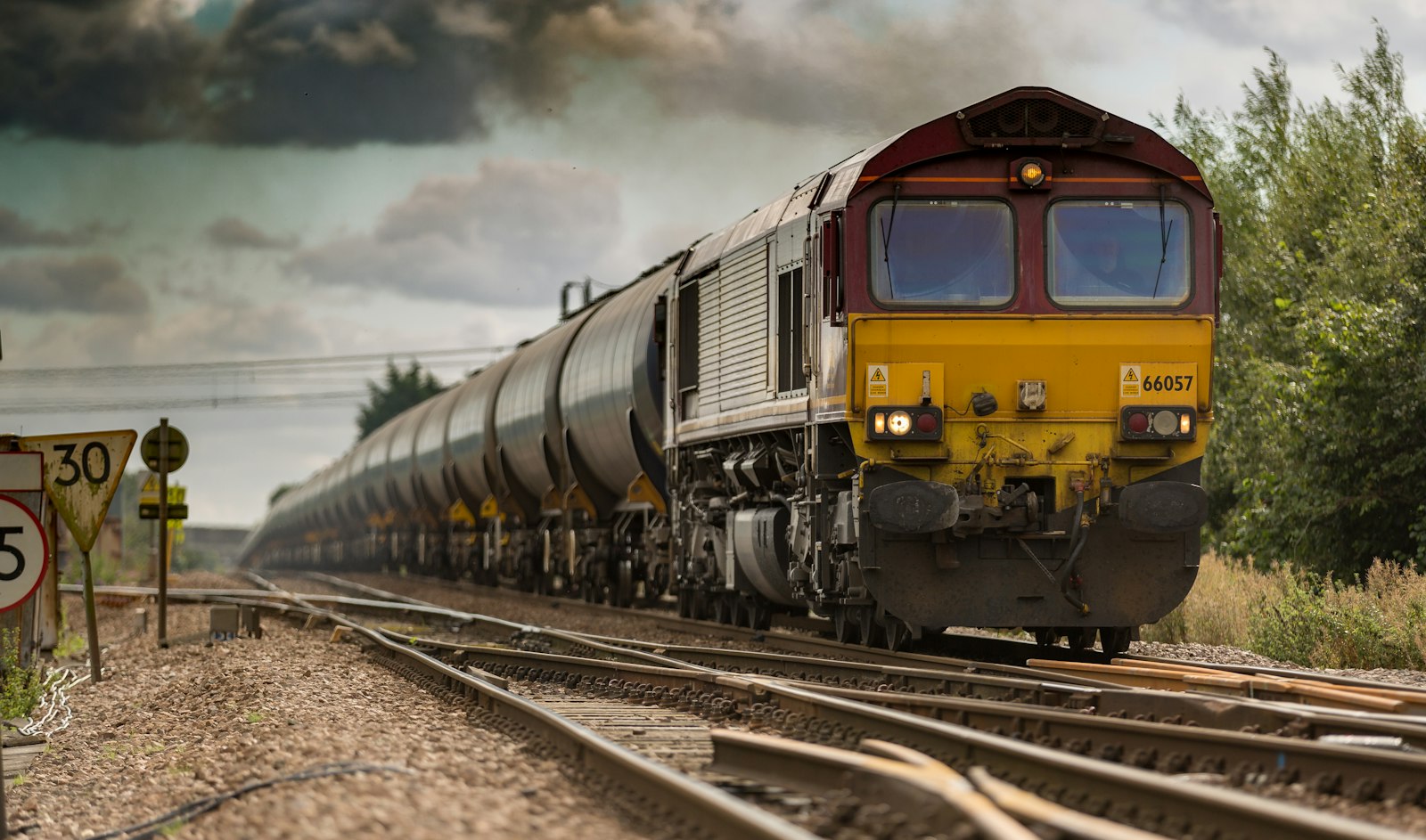
Overnight and sleeper trains combine transportation and accommodation into a single efficient move — travel while you sleep, arrive ready to explore, and often save money compared to flying plus a hotel night.
There is something quietly satisfying about boarding a train at dusk, watching city lights blur past your window, and waking up in a different country or city altogether. Sleeper trains never fully disappeared, and in recent years they have staged a genuine comeback across Europe, Asia, and beyond, driven by travelers looking for a more relaxed, lower-carbon alternative to short-haul flights. Whether you are a first-time sleeper-train passenger wondering what to expect, or a seasoned rail traveler looking to refine your approach, this guide covers everything from choosing the right berth to getting a genuinely good night's sleep on the move.
Why Take a Sleeper Train?
The case for overnight rail travel goes beyond nostalgia. Consider the practical advantages:
- You save a hotel night. Your accommodation cost is folded into the ticket price, which can make a sleeper cabin surprisingly competitive once you do the full math.
- City-center to city-center travel. Trains arrive at central stations, not airports located an hour outside town. You skip early check-ins, security queues, and costly airport transfers.
- No baggage fees. Most rail operators allow reasonable luggage without surcharges, and you keep your bags with you.
- Lower environmental footprint. Rail generally produces significantly fewer emissions per passenger than flying the equivalent route.
- A genuine travel experience. Dining cars, changing landscapes at dusk, and the gentle rhythm of the tracks are things no airport lounge can replicate.
Understanding Sleeper Train Accommodation Types
Terminology varies by country and operator, but most sleeper trains offer some version of the following tiers:
Seat (Couchette Coach / Reclining Seat)
The most affordable option. Seats recline to varying degrees — some almost flat, others only modestly. You share an open car with other passengers. Fine for shorter overnight legs or budget travelers, but expect a stiffer morning if the seats are basic.
Couchette
A step up from a seat. Couchette compartments typically convert into four or six flat (or near-flat) bunks, with a thin mattress, pillow, and blanket provided. You share the compartment with strangers of any gender unless you book the whole compartment. Affordable and surprisingly functional for most travelers.
Sleeper Cabin (Private or Semi-Private)
Enclosed compartments with proper beds, often sold as single, double, or triple occupancy. Many operators include linen, towels, a small breakfast, and sometimes bottled water in the fare. This is the sweet spot for comfort without luxury-train pricing.
Deluxe / Suite
High-end trains — the Venice Simplon-Orient-Express being the famous example, but many national operators also offer premium carriages — provide hotel-quality beds, en-suite facilities, and fine dining. These are priced accordingly and are as much an experience as a mode of transport.
Where Sleeper Trains Run: A Regional Overview
Europe
Europe's overnight network is expanding after years of decline. Austrian Federal Railways (ÖBB) operates the Nightjet network, which has grown to connect cities across Austria, Germany, Switzerland, Belgium, the Netherlands, Italy, and beyond. RENFE in Spain, Trenitalia in Italy, and national operators in Scandinavia, Eastern Europe, and the Balkans each run their own services. The Euronight brand links several cross-border routes. Rail passes such as Interrail and Eurail are accepted on many overnight services, though seat/berth reservations are almost always required separately and carry a fee.
Asia
Asia has some of the world's most extensive and culturally rich sleeper-train traditions. India's vast rail network is famous for its multi-class overnight system — from basic sleeper class to air-conditioned first class — connecting virtually every corner of the subcontinent. Japan's remaining overnight trains are fewer but exceptional. Vietnam's Reunification Express, Thailand's Bangkok–Chiang Mai route, and China's extensive soft- and hard-sleeper network all offer rewarding journeys.
North America
Amtrak operates sleeper services on long-distance routes across the United States, with roomettes and bedrooms available. Canada's VIA Rail offers the Canadian, a multi-day transcontinental journey with sleeper options. Distances are vast, so overnight trains here often mean two or more nights on board.
Africa and the Rest of the World
South Africa's The Blue Train and Rovos Rail are bucket-list luxury experiences. East and Southern Africa have additional overnight options of varying quality. Elsewhere, overnight services exist across parts of the Middle East and Latin America, though networks are patchier — research current schedules carefully before planning around them.
How to Book a Sleeper Train Ticket
Booking strategies vary significantly by region and operator:
- Book early for popular routes. Couchettes and private cabins on popular European overnight trains — especially in summer — can sell out weeks or months in advance. Lower-priced "saver" fares disappear fastest.
- Use the operator's own website first. Booking directly with the national rail operator (ÖBB, SNCF, Trenitalia, Indian Railways, Amtrak, etc.) is often the most reliable method and can be cheaper than third-party aggregators.
- Third-party rail booking sites can help when you need to connect multiple operators or find cross-border tickets. Compare carefully.
- Rail passes require separate reservations. If you hold an Interrail or Eurail pass, remember that overnight trains almost universally require a paid berth reservation on top of the pass.
- Check cancellation and change policies before paying, especially on discounted fares.
You can organize all your rail bookings, confirmations, and journey details in one place using the My Travel Hub on TravelerPulse.pro, which keeps your itinerary consolidated and easy to access on the go.
Choosing the Right Berth
Within a compartment, berth position matters more than most first-timers expect:
- Lower bunks are easiest to access, offer more headroom for sitting up, and double as a seat during evening hours. They are usually priced higher.
- Upper bunks are more private (you're above the main activity), warmer, and often slightly cheaper — but the climb can be awkward, especially for older travelers or those with mobility considerations.
- Window-side vs. corridor-side in open-plan couchette cars: window berths feel slightly more private; corridor berths give easier exit without disturbing bunkmates.
Packing for an Overnight Train
You don't need to overhaul your packing list, but a few additions make the journey noticeably more comfortable:
- Sleepwear or comfortable layers. Temperatures in carriages fluctuate and are not always controllable.
- Eye mask and earplugs. Even on quiet trains, station stops, corridor noise, and bunkmates happen.
- Toiletry bag within easy reach. You'll want to brush your teeth before sleeping without unpacking your entire luggage.
- Small padlock. Many compartments have luggage storage hooks or loops — a light padlock through your bag's zipper pulls gives peace of mind.
- Reusable water bottle. Dining cars and water points are usually available, but having water at your berth is convenient.
- Snacks. Dining cars have limited hours and can be expensive. Bringing your own food is almost always permitted.
- Offline entertainment. Download podcasts, films, or books before you board. Wi-Fi is unreliable on most overnight services.
- Power bank. Power outlets exist on many modern trains but are not universal.
Sleeping Well on the Rails
The motion and sounds of a train are genuinely soporific for many people — but the experience differs from a hotel bed, and a little preparation helps.
- Arrive at your berth early, stow luggage securely, and get settled before the train is in full motion.
- Ask the attendant to wake you before your station if the arrival is early morning — most will do this as a matter of course.
- Set your own alarm as a backup; do not rely solely on the attendant or station announcements.
- Keep your passport and valuables in a money belt or under your pillow rather than in your bag.
- The top bunk tends to rock more than the lower — this is either a lullaby or an inconvenience, depending on your temperament.
Visas, Border Crossings, and Documentation
International sleeper trains cross borders while you sleep, which introduces passport control into the equation. The experience varies widely:
- Within the Schengen Area in Europe, checks are often minimal or nonexistent, though they can still occur.
- Outside Schengen (entering or exiting the UK, crossing into Eastern European or Balkan countries, or traveling across Asian borders), border guards may board the train and check documents while you are in your berth. Keep your passport accessible — not buried in luggage.
- Some routes require a transit visa even if you are not leaving the train. Research this carefully for your specific itinerary.
For country-specific entry requirements, always consult the official government travel advisory for your nationality. TravelerPulse.pro's /visas section provides a starting point for Passport & Visa information and links to official sources.
Dining on Overnight Trains
Food and drink options vary considerably. Many European overnight trains include a simple breakfast (a roll, juice, coffee) with higher-tier berths. Dining cars or bistro cars, where they exist, typically operate only in the evening and early morning hours. On longer journeys — particularly in India, China, or on Amtrak — vendors may board at stations, or dining cars serve multiple meals. Bringing your own food is practical, widely accepted, and usually the most cost-effective approach.
Etiquette in Shared Compartments
Sharing a small compartment with strangers requires a degree of consideration:
- Keep strong-smelling food for before you board or eat in the dining car.
- Lower voices and reduce phone brightness once others are trying to sleep.
- Ask before opening or closing the window or adjusting shared lighting.
- Move efficiently during the morning rush to bathrooms — they fill up quickly in the hour before arrival.
Frequently Asked Questions
Is it safe to sleep on a train with my luggage?
Generally yes, particularly in private or semi-private cabins. In open couchette cars, use the luggage nets or racks and consider a lightweight padlock through your bag's zippers. Keep documents and valuables on your person. Reported theft on trains exists but is uncommon on established routes.
What happens if my train is delayed and I miss a connection?
This depends on your ticket type and operator. On a single through-ticket, operators often have a duty to rebook you. If you booked separate tickets, you bear the risk. Travel insurance that covers rail disruption is worth considering for complex itineraries. Always check your operator's delay compensation policies before travel.
Can I book a whole couchette compartment for privacy?
Many operators allow you to reserve an entire couchette compartment by buying all berths in it — useful for families, couples, or groups who want privacy. This option is often available during booking; check availability for your specific route.
Are sleeper trains suitable for travelers with mobility issues?
Accessibility varies significantly by train and operator. Some modern rolling stock includes accessible cabins, wider doorways, and onboard wheelchair spaces. Others — particularly older carriages — can be challenging. Contact the operator directly before booking to discuss your specific needs and confirm what facilities are actually on your train.
Conclusion
An overnight train at its best is one of travel's more civilized experiences: you board in the early evening, share a meal or a drink in the dining car as the landscape changes, retire to your berth, and wake up somewhere new. The logistics require a little more advance thought than booking a flight, but the rewards — saved costs, no airport hassle, and the sheer pleasure of the journey itself — are real. Start with an established route on a reputable operator, book your berth early, pack light and smart, and you may find that getting there becomes one of the highlights of the trip.



