
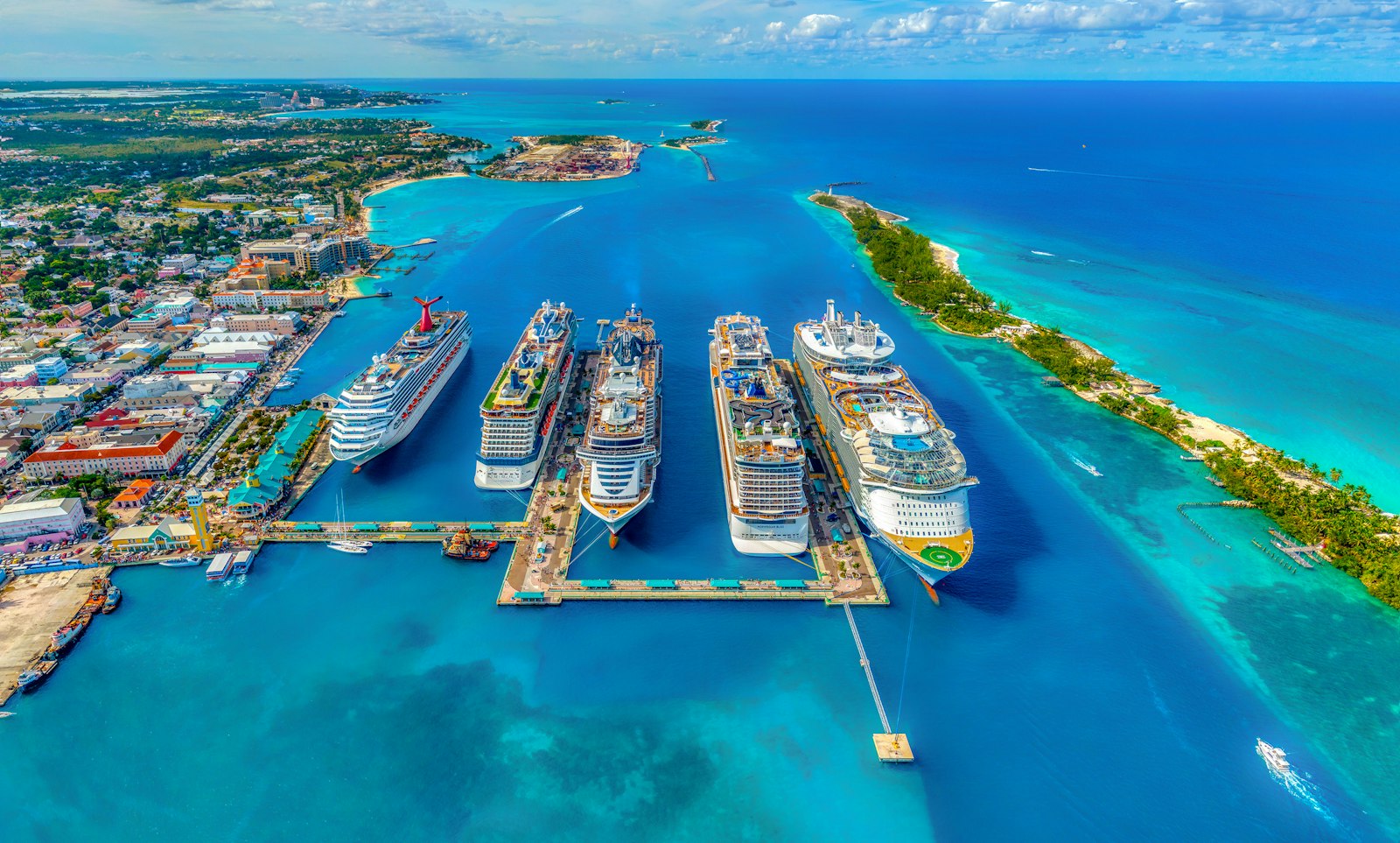
Passport and visa rules for cruises depend on your ship's itinerary, your citizenship, the ports you visit, and sometimes even where the vessel is registered — making document research one of the most important steps in cruise planning.
Cruising feels pleasantly self-contained: you board once, unpack once, and let the ship carry you from place to place. That ease can create a false sense of security around travel documents. Many cruisers assume that because they never step onto a commercial aircraft at a foreign airport, the usual passport and visa rules don't fully apply. In practice, they often do — and in some situations, the requirements are stricter than for a standard land trip.
This guide covers the essential rules, common exceptions, and practical steps to make sure your paperwork is in order before you walk up the gangway.
Why Cruise Document Rules Are Different
When you fly internationally, airline check-in staff and border officers prompt you at every step. On a cruise, the ship's crew serves as the first line of verification when you board, but port-of-call immigration is handled differently in each country — sometimes by officers who board the ship, sometimes by booths at the dock, and sometimes through pre-clearance procedures. Each country along your route sets its own entry requirements, and the cruise line must comply with the laws of every nation it visits.
Beyond entry rules, cruise lines themselves set minimum document standards in their passenger contracts. Failing to meet those standards can result in being denied boarding with little recourse for a refund.
The Closed-Loop Cruise Exception (and Its Limits)
A closed-loop cruise departs from and returns to the same port in the same country. In the United States, for example, federal regulations have historically allowed U.S. citizens on closed-loop voyages departing from and returning to a U.S. port to use certain alternative documents — such as an enhanced driver's license or a birth certificate combined with a government-issued photo ID — instead of a passport book.
This exception sounds convenient, but it carries a significant practical risk: if you have a medical emergency at sea or in a foreign port and must disembark and fly home, you will almost certainly need a valid passport to board an international flight. Without one, you could be stranded abroad while recovering from an illness or injury.
- Always verify the current closed-loop rules with official government sources — they can and do change.
- Even when an exception technically allows alternative documents, a valid passport is universally the safer, more flexible choice.
- Some ports along a closed-loop itinerary may independently require a passport for shore entry, overriding the cruise-line exception.
Open-Loop and International Cruises
An open-loop cruise departs from one country and ends in another — for example, sailing from Miami to Barcelona. In these cases, a valid passport is almost always required, regardless of citizenship. The same applies to any cruise that begins or ends outside your home country, or that includes a transatlantic, transpacific, or other ocean crossing.
Repositioning cruises and world voyages fall squarely in this category. For these voyages, treat your document requirements the way you would for any international air itinerary: passport valid for at least six months beyond the final date of travel, and visas in hand for every country on the itinerary.
Passport Validity: The Six-Month Rule
Many countries require that your passport remain valid for three to six months beyond your intended departure date from their territory. On a cruise, your "departure date" from a port country may be the day the ship sails, not the final day of your trip — but border officers may interpret it differently.
The safest standard: ensure your passport is valid for at least six months after the last day of your cruise. Check each port country's specific rule through its official embassy or immigration website, since requirements vary. If your passport is close to expiring, renew it well before you sail — passport processing times fluctuate, and last-minute renewals carry risk.
Visa Requirements at Each Port of Call
Every port on your itinerary is a potential visa requirement. Your cruise line will typically list the entry requirements for each destination in your booking documents, but that information is a starting point, not a guarantee. Entry rules change, and the cruise line is not legally responsible for your compliance with a foreign government's immigration laws.
Research each port independently using official sources:
- Your own government's foreign travel advisory pages (these list visa requirements by destination for your passport)
- The official embassy or consulate website of each country you'll visit
- The TravelerPulse.pro /visas section, which links directly to Passport & Visa information resources and can help you organize your research by destination
Pay particular attention if you hold a non-U.S., non-EU, or otherwise less widely accepted passport — visa-free access varies enormously by citizenship, and what applies to your fellow passengers may not apply to you.
Visas You May Need to Arrange in Advance
Some popular cruise destinations require visas that cannot be obtained on arrival or at the pier. These typically must be applied for weeks or months in advance through the country's consulate or an approved visa service. Common examples include certain Asia-Pacific, African, and South American destinations, as well as countries with specific tourist visa quotas or application procedures.
For cruises with many port stops — Caribbean island-hopping, Mediterranean voyages, or Southeast Asian itineraries — you may need to research a dozen or more entry requirements. Start this process as soon as your itinerary is confirmed, and track each requirement systematically. The My Travel Hub feature on TravelerPulse.pro can help you keep your trip documents and research organized in one place.
Shore Excursions vs. Going Ashore Independently
Whether you book a ship-organized excursion or explore a port on your own makes no difference to the local immigration authorities. You are entering their country and must meet their entry requirements. Some ports process passengers through a ship-organized clearance that feels seamless — but that clearance still happens, and if your documents don't pass, you will be required to remain on board.
Conversely, some travelers choose not to go ashore at certain ports. Even then, be aware that in a few destinations, all passengers must clear immigration as part of port entry procedures, regardless of whether they disembark.
Children and Minor Travelers
Children generally require their own valid passport, even infants. Some countries also require additional documentation when a child is traveling with only one parent or with non-parental guardians — typically a notarized letter of consent from the absent parent or legal guardian. Requirements vary by country, so verify this for each port on your itinerary through official sources.
Dual Citizens and Multiple Passports
If you hold more than one passport, research which document is most advantageous for your specific itinerary. In some countries, entry on a particular passport may complicate entry elsewhere. Some nations require that their own citizens enter and exit using that country's passport. If this applies to you, consult the official guidance from each relevant government before sailing.
What Happens If Your Documents Aren't in Order
The consequences of insufficient documentation on a cruise are serious:
- Denied boarding: The cruise line can refuse to allow you to board if your documents don't meet their policy or the requirements of the countries on the itinerary. In most cases, the passenger contract does not entitle you to a refund in this situation.
- Denied shore access: Port immigration officers can prevent you from disembarking at a specific port, even if you're allowed to remain on the ship.
- Detention or deportation: In serious cases, a traveler with inadequate documents at a foreign port can be detained by local authorities and returned to their home country at their own expense.
- Emergency travel disruption: A medical evacuation or emergency flight home requires a valid passport. Without one, even a brief hospitalization abroad can turn into a prolonged ordeal.
Travel Insurance and Documents
A comprehensive travel insurance policy for a cruise should include trip cancellation, interruption, medical evacuation, and emergency assistance. Some policies include assistance with lost or stolen passports abroad. Read the policy carefully, keep digital and physical copies of all your documents stored separately from the originals, and note the emergency contact numbers for your insurer, embassy, and cruise line before you depart.
Practical Pre-Cruise Document Checklist
- Passport valid for at least six months beyond the final day of your cruise
- Visas obtained for every country on the itinerary that requires them for your citizenship
- Any alternative documents (enhanced driver's license, etc.) that meet closed-loop exception requirements, if applicable — but only as a backup to a valid passport
- Notarized parental consent letters for minors traveling without both parents, where required
- Photocopies and digital scans of all documents stored in a secure, accessible location (separate from originals)
- Contact information for your home country's embassy or consulate in each port city
- Travel insurance policy number and 24-hour emergency assistance contact
Frequently Asked Questions
Can I cruise to the Caribbean without a passport?
U.S. citizens on closed-loop cruises departing and returning to a U.S. port may in some cases use alternative documents like a birth certificate and government-issued ID. However, individual island nations along the route may independently require a passport, and you will need one if you must fly home in an emergency. A passport is strongly recommended regardless of the technical minimum.
Does my cruise line handle visa arrangements for me?
Cruise lines typically provide information about visa requirements, and some offer visa assistance services or group visa arrangements for certain destinations. However, the legal responsibility for having correct entry documents rests with the individual passenger. Verify all requirements through official government sources — do not rely solely on cruise line communications.
What should I do if my passport is lost or stolen during a cruise?
Report the loss immediately to the ship's purser or guest services team, who can help coordinate with the next port's authorities. Contact your home country's nearest embassy or consulate — most can issue an emergency travel document to allow you to continue your journey or return home. Having digital copies of your passport stored in email or secure cloud storage speeds this process considerably.
Do I need a visa for every country the ship passes through, even if I don't go ashore?
In most cases, simply being in port without disembarking does not trigger a visa requirement. However, some countries require all passengers to clear immigration even if they stay on the ship. Check the specific rules for each country on your itinerary through official sources, and ask your cruise line whether any mandatory immigration clearance applies.
Before You Sail
Cruise travel is among the most enjoyable ways to see the world — precisely because so much of the logistics are handled for you. Travel documents are the one area where that delegation ends. The rules are yours to research, the applications are yours to submit, and the consequences of getting it wrong fall entirely on you.
Start your document research the moment your itinerary is booked, consult official government sources for every port, and keep your passport current and valid well beyond your travel dates. With that foundation in place, you can focus on what a cruise does best: waking up somewhere new without ever having to repack.




