
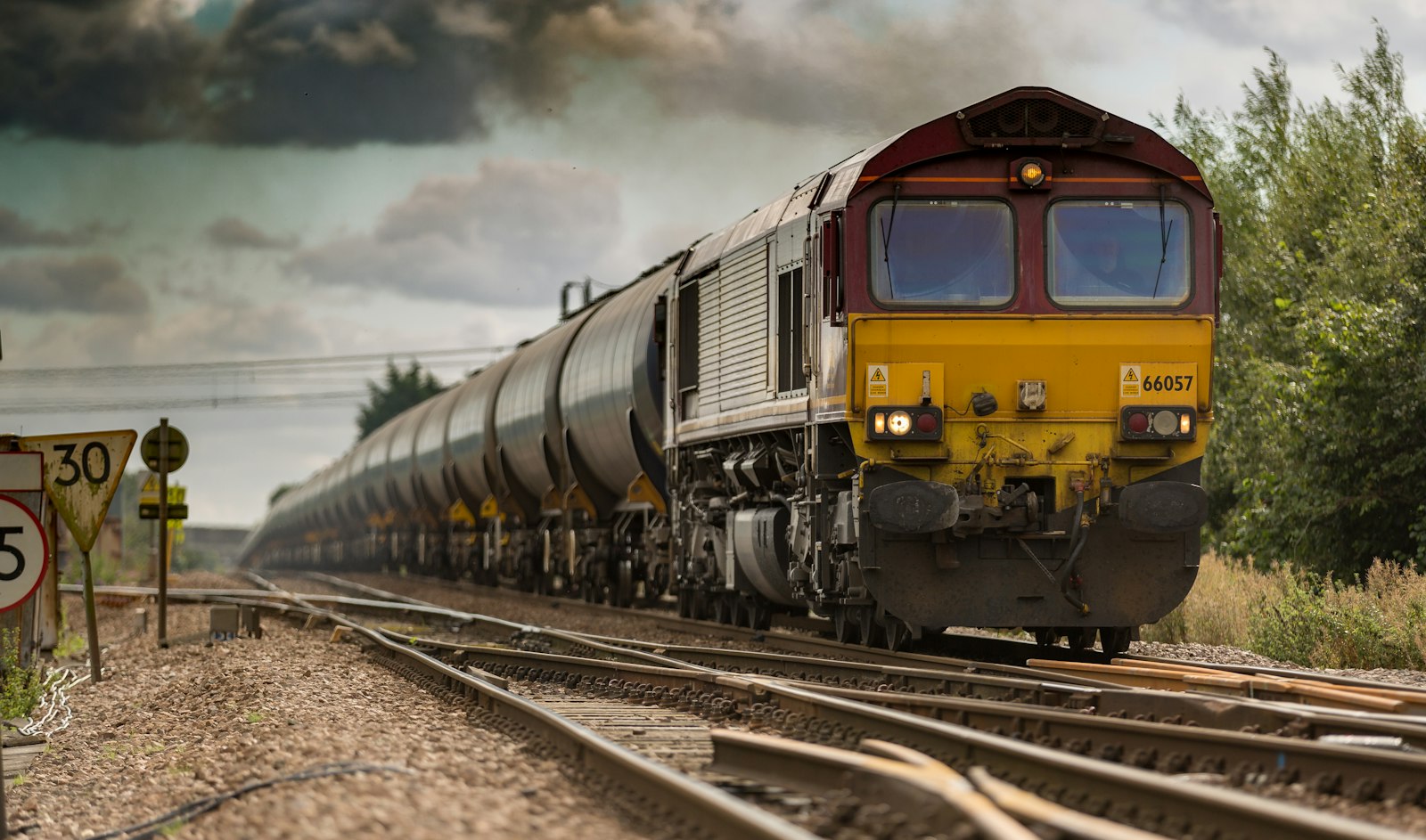
Train travel offers families more space, fewer security queues, and a genuine sense of adventure — but a smooth rail journey starts well before the departure whistle.
There is a reason so many parents swear by the train after their first family rail trip. Children can move around, stare out enormous windows at passing countryside, visit the dining car, and arrive in a city center rather than a distant airport. Rail travel removes many of the stresses that make flying with kids so exhausting. It adds a few of its own, too. This guide covers both sides honestly, so your family steps onto the platform prepared.
Why Trains Work Well for Families
The structural advantages of rail travel suit family dynamics in ways that air travel simply cannot match.
- Room to move. Children are not strapped into narrow seats for the duration. Most trains have aisles, vestibules, and sometimes dedicated play or family areas.
- City-center arrivals. Major train stations sit in the heart of cities, cutting out long taxi or transfer rides from distant airports.
- Luggage flexibility. On most rail services you can bring strollers, bikes, and multiple bags without paying steep checked-baggage fees — though always verify policies with your specific operator.
- Shorter check-in windows. Arriving 15–30 minutes before departure is typical on many routes, versus the 2–3 hours air travel demands.
- Reduced anxiety for nervous travelers. Trains stay on the ground. For children who fear flying, rail is a revelation.
Choosing the Right Type of Train Service
Not all trains are created equal, and matching the service to your family's needs matters enormously.
High-speed intercity trains (such as services in Europe, Japan, or along the US Northeast Corridor) cover long distances quickly in modern, spacious cars. They are usually the best choice for journeys up to four or five hours.
Overnight sleeper trains are a fantastic option for longer distances. Children often find sleeping in a berth thrilling, and you arrive at your destination having effectively saved a night's hotel cost. Book private compartments when budget allows — shared berths require more social flexibility than tired kids usually have.
Regional and scenic trains move more slowly but often pass spectacular landscapes. These work well when the journey itself is the attraction, though a three-hour regional train can feel longer than a three-hour high-speed one without good entertainment planning.
Tourist and heritage railways — short, curated experiences on historic steam or vintage trains — are often highlights for children regardless of destination.
Booking Smart: Seats, Passes, and Discounts
Rail booking strategy has a significant impact on both cost and comfort for families.
- Book early for reserved seats. On popular routes, family-friendly carriages and table seats sell out quickly. Many European high-speed operators open booking 90 days or more in advance.
- Look for family carriages. Several rail operators designate quiet or family zones with features like fold-down tables, power outlets, and nearby restrooms. These sell out fast.
- Table seats are worth prioritizing. A four-seat table configuration gives children space to draw, play games, and eat without disturbing other passengers.
- Children's fares vary widely. Many operators offer free travel for young children (typically under 4 or 5) and discounted fares for older children. Age cut-offs and definitions of "child" differ by country and operator — always check at booking.
- Rail passes vs. point-to-point tickets. Multi-country rail passes (such as Eurail) can offer good value for families covering a lot of ground, but point-to-point advance tickets are often cheaper for pre-planned itineraries. Compare both scenarios before purchasing.
- Seat reservation requirements. On many high-speed services, a rail pass covers travel rights but seat reservations cost extra and are mandatory. Budget for this when comparing pass vs. ticket costs.
Navigating Stations with Children
Large train stations can feel chaotic, especially with tired children, heavy luggage, and a departure time approaching. A little preparation goes a long way.
Arrive earlier than the minimum suggested time, especially if you are unfamiliar with the station layout. Many major rail hubs — details on terminals, facilities, and platforms are available on individual airport and station pages at TravelerPulse.pro — are genuinely large and complex buildings.
- Identify your platform number as early as the departure board will show it (often 10–20 minutes before departure on European services).
- Locate restrooms immediately on arrival — children will need them at the least convenient moment.
- Note where the family or assistance waiting area is, if one exists.
- Keep children's bags light enough that they can carry their own. This keeps hands free for adults managing larger luggage.
- In large stations, agree on a meeting point before you enter in case the group gets separated.
Boarding, Strollers, and Accessibility
Boarding a train with a stroller, car seat, or a child with mobility needs requires advance planning.
Many modern trains have designated stroller parking areas near the doors. On older rolling stock, strollers may need to be folded and stored in overhead racks or at the end of the carriage. Contact the rail operator before travel to confirm what is possible on your specific service.
Families travelling with children who have disabilities or mobility requirements should contact the rail operator's passenger assist or accessibility team well ahead of travel. Most major operators offer boarding assistance, ramp services, and reserved wheelchair spaces, but these often require advance notice — sometimes 24 hours or more.
Platform gaps and steps are real hazards with young children. Hold hands firmly during boarding and alighting, and let other passengers exit before you board to avoid being caught in a rush.
Packing the Family Rail Bag
What you carry on board determines how comfortable the journey feels. A dedicated family carry-on bag — separate from main luggage stored overhead — is worth assembling carefully.
- Entertainment: Tablets loaded with offline content, headphones (children's volume-limiting headphones are considerate to fellow passengers), card games, coloring books, and small activity sets.
- Snacks: Bring more than you think you need. Train dining cars and trolleys are convenient but not always timed to when hungry children want to eat. Avoid strong-smelling foods in enclosed carriages.
- Drinks: Reusable water bottles that seal reliably. Spills on seats are avoidable with the right bottle.
- Comfort items: A small blanket or travel pillow transforms a long journey. Neck pillows work well for children who fall asleep sitting up.
- Motion sickness supplies: Some children experience motion sickness on trains, particularly on winding routes. Check with your family doctor about appropriate remedies before travel.
- First-aid basics: Plasters, hand sanitizer, and any prescription medications carried in hand luggage.
Keeping Children Entertained Mile After Mile
Screens are the easy answer, and there is no shame in using them. But train journeys also offer genuine engagement that screens cannot compete with.
The window is entertainment in itself on scenic routes. Build anticipation before the trip by showing children a map of the route and identifying tunnels, rivers, bridges, or mountains you will cross. Many children will watch avidly for landmarks they know to expect.
Train-specific games work well: counting animals in fields, spotting station name signs, or keeping a simple journey log. Older children enjoy tracking progress on a downloaded map.
A supervised walk to the dining car or between carriages breaks monotony and gives everyone a stretch. On longer journeys, timing a dining car visit as a mid-journey event gives children something to look forward to.
Overnight Trains with Kids: What to Expect
Overnight rail is among the most practical travel formats for families once children are past the toddler stage. The logistics, however, need managing.
- Private couchette or sleeper compartments offer much more comfort and security than shared berths. They cost more, but the privacy is significant with children.
- Berth allocation within a family compartment matters. Put younger children on lower bunks where climbing risk is lower, unless the configuration makes an upper bunk safer.
- Dinner before boarding — or a meal in the dining car early in the evening — avoids late-night food searches.
- Pack pajamas and a familiar comfort item for each child to replicate bedtime routine as closely as possible.
- Be realistic: most families sleep lightly on overnight trains. Factor in a restful first day at your destination.
Rail Passes and Family Discounts Around the World
Discount structures vary significantly by region and operator, so the guidance below is general — always verify current policies with the rail operator or your country's official tourism or rail authority.
In Europe, many operators offer children under a certain age travelling free with a fare-paying adult, and family rail cards that provide percentage discounts across a group are common in countries including the UK, Germany, and France.
In Japan, the JR Pass offers family-friendly value for those covering long distances, and the Shinkansen is genuinely one of the world's great family travel experiences.
In North America, Amtrak offers child discount fares and family bedrooms on many long-distance sleeper routes. Via Rail Canada has similar family-oriented provisions.
Keep all booking confirmations, passes, and identification documents accessible — not buried in checked luggage — when travelling across borders or through ticket inspection points.
Health, Safety, and Travel Documents
For international rail journeys crossing borders, visa and passport requirements apply just as they do for air travel. Requirements vary significantly by nationality and destination, so consult your government's official travel advice and the TravelerPulse.pro /visas section for country-specific passport and visa guidance before you travel.
Travel insurance that covers trip interruption is worth considering for multi-leg rail itineraries, as a missed connection in an unfamiliar city with children is stressful and potentially costly.
Children's health and medication needs should be addressed before departure. If a child takes regular medication, carry enough for the full trip plus several extra days, and keep it in original labeled packaging.
Frequently Asked Questions
At what age can children travel free on trains?
This varies by operator and country. Many rail services allow children under 4 or 5 to travel free when accompanied by an adult, with reduced fares for older children up to around 15. Always check the specific policy of the rail operator you are booking with, as age thresholds and conditions differ widely.
Are strollers allowed on trains?
Most trains permit strollers, but storage arrangements vary. Modern high-speed trains often have dedicated stroller bays near carriage doors. On older regional trains, you may need to fold the stroller. Contact the rail operator before travel to confirm what your specific service allows and whether you need to reserve space.
What should I do if we miss our connection?
Stay calm and go immediately to the customer service desk or information point at the station. Most rail operators have policies for passengers who miss connections due to delays caused by the rail service itself. If the missed connection is your own fault (you arrived late), you will typically need to purchase new tickets for the next available service. Travel insurance can help recover costs in either scenario.
How do I handle motion sickness on trains?
Forward-facing seats and window views reduce motion sickness for many people. Avoid heavy meals before boarding, keep the child hydrated, and minimize screen time if nausea is a concern. Consult a doctor or pharmacist about appropriate anti-nausea remedies for children before you travel.
Is it safe to leave luggage in the overhead rack?
On most intercity trains, overhead racks and luggage areas at the ends of carriages are used freely by passengers without specific security measures. Keep valuables, documents, and medications in a bag that stays with you at your seat. Never leave a bag unattended on the platform or in a station.
Conclusion
Rail travel rewards families who prepare well. The combination of space, scenery, city-center arrivals, and genuine shared experience makes the train one of the most satisfying ways to journey together. Pack thoughtfully, book strategically, and manage expectations around the parts that require patience — and what you will remember most is the view from the window, not the wait at the platform. Use My Travel Hub on TravelerPulse.pro to keep rail bookings, passes, and itinerary notes organized in one place, so the whole family arrives ready to explore.




