
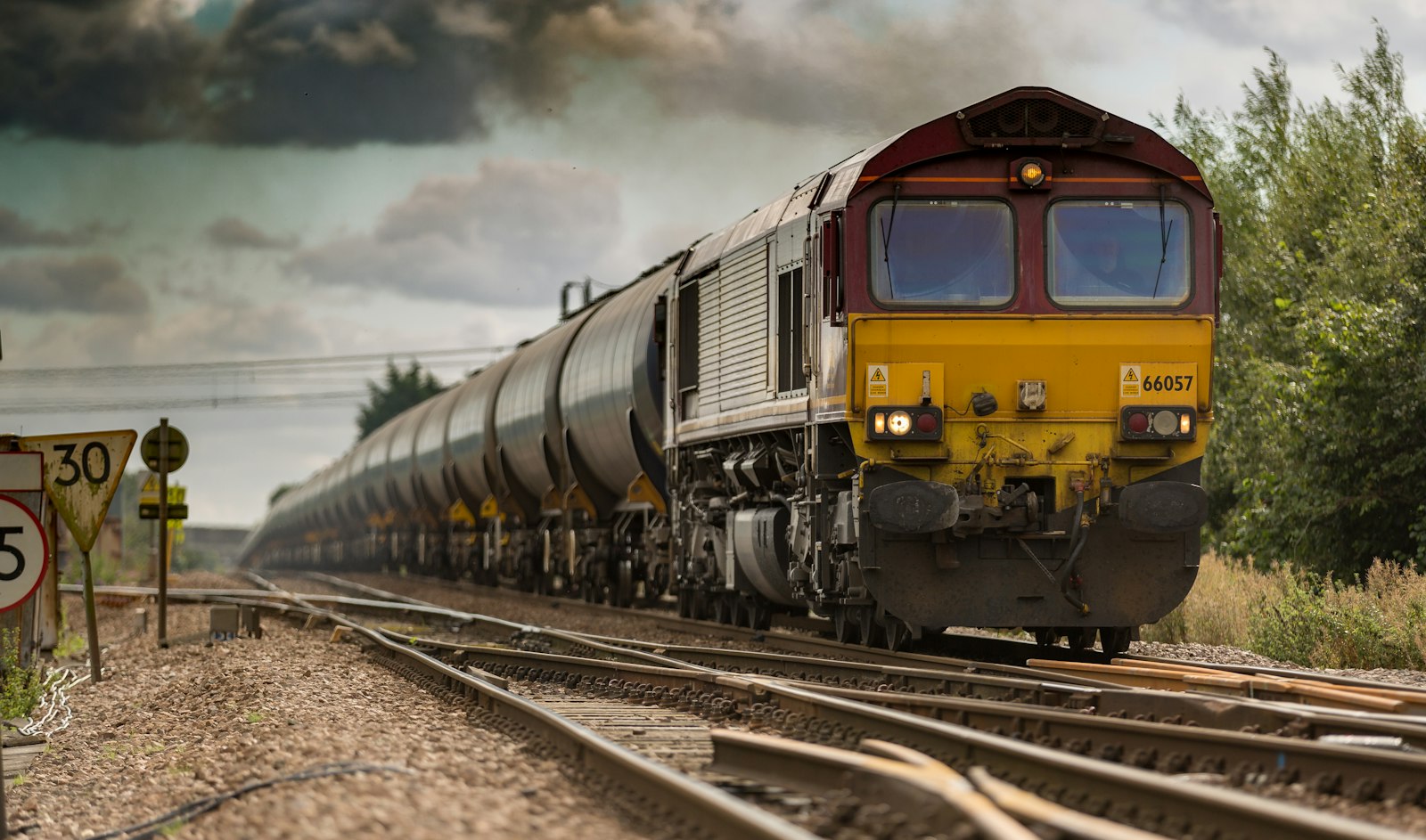
Train travel offers seniors a relaxed, scenic, and genuinely accessible way to explore — this guide covers how to find discounts, navigate stations comfortably, choose the right seat, manage health needs on board, and plan a rail journey that works at your pace.
Why Rail Travel Works So Well for Older Travelers
There is a reason experienced travelers return to trains again and again. Compared with flying, rail removes many of the most tiring elements of modern transport: no lengthy security queues, no baggage fees on most services, generous legroom in standard class on many routes, and the freedom to stand up, walk to a dining car, or simply watch the landscape change outside a large window.
For seniors in particular, trains offer something harder to quantify — a slower, more human rhythm of travel. Arrivals are typically in city-center stations rather than distant airports, cutting transfer time and expense. Journeys that might be a one-hour flight often become a two- or three-hour scenic experience that is the trip itself, not just the getting-there.
Senior Discounts: What to Look For and How to Find Them
Rail discounts for older travelers vary enormously by country, operator, and even by route or travel time. There is no single global rule, but some broad patterns hold almost everywhere.
- Age thresholds differ. Some operators define "senior" as 60, others 65, and a few use a card-based system with no fixed age. Always check the specific operator's current policy rather than assuming a threshold.
- Cards and passes may offer better value than per-journey discounts. In much of Europe, railcards aimed at older travelers can reduce the cost of individual tickets significantly over a trip of several weeks. The savings often recoup the card's cost within two or three journeys.
- Advance booking usually amplifies the discount. Combining a senior railcard or senior fare with early booking can produce substantial savings — but those cheap tickets are typically non-refundable and seat-specific, so only book if your plans are firm.
- Off-peak travel is usually cheaper and less crowded. Many senior discounts apply only to off-peak services, which also happen to have emptier carriages — a practical advantage, not just a financial one.
- National rail websites are the authoritative source. Discount structures change. Always confirm current pricing, eligibility, and terms directly with the rail operator or through its official booking platform before purchasing.
Rail Passes: Are They Worth It for Seniors?
Multi-country and multi-journey rail passes — common in Europe, Japan, and parts of North America — can be outstanding value for travelers who plan to cover significant distances over two weeks or more. Many pass programs offer a senior pricing tier.
The honest answer to whether a pass is worthwhile is: it depends on your itinerary. Passes make sense when you will take many journeys, want flexibility to change plans, or are traveling on routes where point-to-point tickets are expensive. They are less cost-effective for a focused itinerary of just two or three fixed journeys that can be booked far in advance.
Before purchasing any pass, list every journey you plan, price those journeys individually using advance fares, and compare. Factor in any reservation fees that some rail systems charge on top of a pass. Seat reservations on high-speed trains are often mandatory, even with a pass.
Choosing the Right Ticket and Seat
Seat selection can make a meaningful difference to comfort on a long journey. When booking, keep these points in mind:
- Aisle seats allow easy access to the toilet without disturbing neighbors — valuable if you need to move frequently.
- Seats near the toilet are convenient but can be noisier. A seat one or two rows away often balances convenience and quiet.
- First class on many operators offers noticeably wider seats, more legroom, and quieter carriages. On some systems, upgrading is surprisingly affordable, particularly with a senior discount already applied.
- Avoid seats at the very end of a carriage if you are sensitive to motion; the ride is generally smoother toward the middle of a train.
- Wheelchair spaces and priority seating exist on virtually all modern trains. If you have a mobility need — even a temporary one — declare it when booking. Most operators will reserve appropriate space at no extra charge.
Accessibility at Stations and On Board
Modern rail infrastructure has improved enormously for passengers with reduced mobility, but the experience is not uniform. Older stations in historic city centers can present real challenges — narrow platforms, staircases without lifts, and long walks between platforms.
Before you travel:
- Check whether your departure, connection, and arrival stations have step-free access, lifts, and ramps. Rail operator websites increasingly include accessibility maps and information for each station.
- Contact the operator's accessibility or passenger assistance service in advance. Many operators offer a pre-booked assistance service that places a staff member on the platform to help you board, stow luggage, and disembark — free of charge, but typically requiring 24–48 hours' notice.
- Ask about wheelchair loans or passenger mobility vehicles (small electric carts) for moving through large stations.
- On board, look for dedicated spaces for wheelchairs, priority seating near doors, accessible toilets, and grab rails throughout modern rolling stock. These vary by train type; express high-speed trains are generally better equipped than older regional services.
The TravelerPulse.pro airport and station pages include accessibility notes for major hubs — a useful first reference when you are planning connections through large terminals.
Managing Luggage
One of the great advantages of train travel is that luggage handling is largely self-managed — there are no check-in belts or carousel waits. That same advantage becomes a challenge if your bags are heavy.
- Travel lighter than you think you need to. Most experienced rail travelers recommend a single carry-on-sized bag that fits in overhead racks without lifting above shoulder height.
- Use a wheeled bag or backpack with wheels to reduce strain on platforms and in stations.
- Luggage-forwarding services exist in several countries and allow you to send bags ahead to your next hotel, traveling the train yourself with just a day bag. These services are particularly popular in Japan and parts of Europe.
- Porter and trolley services at major stations can help between the taxi rank and the platform — ask at the station information desk.
Health Considerations and Comfort On Board
Long rail journeys are comfortable by most standards, but some preparation makes them significantly more so.
- Medications: Keep all medications in your carry-on bag, not in a bag stowed in a separate compartment. Bring enough supply for the journey plus a buffer in case of delays.
- Hydration: Train cabins, particularly on high-speed routes, can be drier than expected. Carry a refillable water bottle. Dining cars and refreshment trolleys are not always available on every service.
- Compression socks are worth wearing on journeys of three or more hours if you are prone to swollen ankles or have circulatory concerns.
- Movement: Unlike aircraft, trains actively encourage you to walk. Use the dining car, the vestibule areas, or simply the aisle for short walks every hour or so.
- Noise and light: A travel pillow, light earplugs, and a sleep mask can transform an overnight journey into genuine rest.
- Travel insurance: Comprehensive travel insurance that covers trip cancellation, medical expenses, and emergency evacuation is essential. Make sure your policy does not exclude pre-existing conditions, or that you have specifically declared them.
Overnight Trains: A Senior-Friendly Option
Overnight sleeper trains have staged a genuine comeback across Europe and remain central to long-distance rail in parts of Asia. For seniors, they offer a compelling proposition: travel while you sleep, arrive in the morning without a hotel night, and skip a short-haul flight entirely.
Accommodation grades on overnight trains typically include open couchette berths (shared compartments), private couchette cabins, and full private sleeper cabins with a proper bed, sometimes with an en-suite shower. Private cabins cost considerably more but deliver something close to a hotel experience on rails — breakfast included on some routes.
If you have mobility challenges, request a lower berth when booking; upper berths require climbing a short ladder. Let the operator know your needs in advance.
Planning a Multi-Stop Rail Itinerary
Rail travel rewards flexible, unhurried planning — qualities that align naturally with how many seniors prefer to travel. A few principles to build on:
- Allow longer stops than you think you need. A two-night stay in a city beats a one-night rush that leaves you tired for the next leg.
- Avoid back-to-back travel days. A rest day every three or four days maintains energy and gives you time to absorb where you are.
- Build in buffer time at connections. Tight connections are stressful and physically demanding. A 60-minute connection in an unfamiliar station is far more manageable than 20 minutes.
- Keep your itinerary in one place. The My Travel Hub on TravelerPulse.pro lets you organize bookings, notes, and documents for a multi-leg journey so nothing gets lost.
Entry Requirements and Rail Travel Across Borders
International rail — the Eurostar, cross-border services in Asia, or trains linking North American cities — may involve passport checks, customs declarations, or visa requirements at borders. These vary by route and nationality. Always check current entry requirements for every country you plan to cross, using official government sources such as your country's foreign affairs ministry or the destination country's official immigration authority. The TravelerPulse.pro /visas section can point you toward the right official resources for the countries on your itinerary.
Frequently Asked Questions
Do I need to book seats in advance, or can I just buy a ticket at the station?
It depends on the country and service. In many countries, regional and commuter trains operate on open-seating or turn-up-and-go policies. High-speed and intercity trains increasingly require seat reservations, especially in Europe and Japan, and popular routes sell out weeks ahead during peak seasons. Booking in advance is almost always cheaper and guarantees you a specific seat, which matters more the longer the journey.
What if I need medical assistance during a journey?
Train staff are present on most intercity services and are trained in basic first aid. Longer routes and overnight trains often carry more comprehensive first aid equipment. If you have a serious medical condition, inform a staff member at the start of the journey so they are aware. Carry a brief written summary of your conditions, medications, and emergency contacts — particularly useful if you are traveling in a country where the language differs from your own.
Is it safe to travel alone by train as an older person?
Rail travel is widely regarded as one of the safest and most senior-friendly modes of transport. Stations are staffed, carriages are shared, and help is generally close at hand. Solo senior rail travelers are common worldwide. Standard precautions apply: keep valuables secure, be aware of your surroundings in busy stations, and stay in populated areas of the train rather than isolated end carriages late at night.
How do I handle a missed connection?
If your ticket covers both legs and the first train is delayed, most operators will rebook you on the next available service at no charge — keep your original tickets as proof. If you booked legs separately, the situation is more complicated and you may need to purchase a new ticket. Travel insurance with trip disruption coverage can reimburse reasonable costs in these situations. When in doubt, go immediately to a station information desk or speak to a conductor rather than waiting and hoping.
Conclusion
Rail travel at its best is one of the most civilized ways to see the world — and it is particularly well suited to seniors who value comfort, flexibility, and the journey itself rather than just the destination. With a little advance planning around discounts, accessibility, luggage, and health needs, train travel can open up itineraries that are simply not possible any other way. Book early for the best prices, travel light, and let the landscape do the work.




