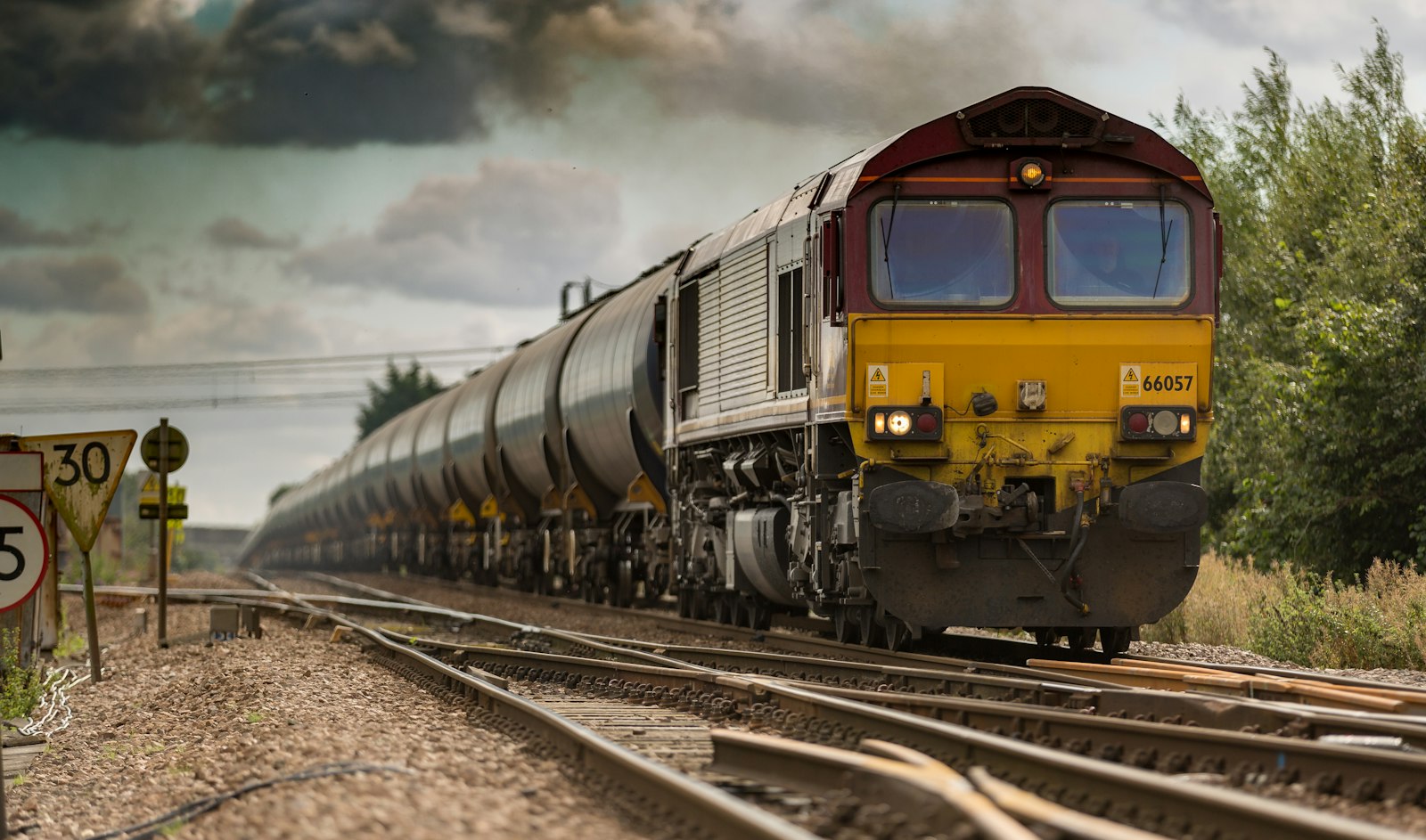
Railway stations range from compact rural stops to vast multi-level transit hubs — this guide covers everything a traveler needs to arrive confident, board on time, and make the most of every station visit.
Understanding the Layout of a Railway Station
No two stations are identical, but most share a recognizable anatomy. Spending two minutes orienting yourself when you arrive saves far more time later.
- Main hall / concourse: The central gathering space, usually home to the main information boards, ticket windows, and general services.
- Ticket hall: May be separate from the concourse. Contains staffed counters, self-service machines, and sometimes a travel center for complex bookings.
- Platforms: Numbered or lettered bays where trains load and unload. In large stations, platforms may be on multiple levels or spread across a wide footprint.
- Waiting areas: General seating on the concourse, and sometimes platform-specific waiting rooms, especially on cold-weather routes.
- Gated vs. open access: Some systems (particularly urban rapid-transit networks) require you to pass through fare gates before reaching platforms. Others are open — you simply walk to the train and a conductor checks your ticket on board.
Pick up a printed station map at the information desk if one is available, or check the station's official app or website before you travel. Many station pages on TravelerPulse.pro list terminal layouts, dining options, and key services.
Buying and Validating Your Ticket
Getting the right ticket is the most consequential task at any station. Errors here — wrong date, wrong class, wrong route — can be costly to fix.
- Ticket windows: Best for complex itineraries, rail passes, group bookings, or when you need advice. Queues can be long at peak times, so arrive with extra time.
- Self-service machines: Fast for straightforward point-to-point tickets. Most accept cards; cash acceptance varies. Language options are usually available.
- Mobile tickets and e-tickets: Many rail operators now issue QR-code or PDF tickets you download in advance. Make sure your phone is charged — some conductors will not accept a screenshot.
- Validation machines: In several countries (notably parts of continental Europe and South America), an unstamped ticket — even a valid one — can result in a fine. Look for small orange, yellow, or green machines near the platform entrance and stamp your ticket before boarding. Signage usually prompts you, but when in doubt, ask station staff.
Rail passes (such as regional multi-day passes) often have their own activation rules. Read the pass documentation carefully and, if needed, have staff endorse it before your first journey.
Reading Departure Boards
The departure board is your primary navigation tool inside any station. Learning to read it quickly is a practical skill.
- Columns to look for: Departure time, destination (usually the terminal city), calling points or intermediate stops, train number or service code, platform number, and status (On Time / Delayed / Cancelled).
- Platform assignment timing: In many large European stations, platforms are not posted until 10–20 minutes before departure. This is normal — do not panic. Stay near the board and be ready to move.
- Train numbers matter: If two trains depart at similar times toward the same general direction, the train number prevents you from boarding the wrong one.
- Language: Destination names are usually in the local language. "Köln" is Cologne; "Firenze" is Florence. A small phrasebook or a downloaded offline map helps decode unfamiliar names.
Navigating Platforms and Boarding
Once you have your platform number, move promptly — especially in large stations where the walk can take five minutes or more.
- Coach and seat numbers: On reserved-seat trains, your ticket specifies a coach (car) letter or number and a seat number. Many platforms have position markers showing where each coach will stop. Lining up at the correct marker saves a scramble after the train arrives.
- First class vs. standard class: Coaches are marked on the exterior, usually with a "1" or "2" (or equivalent). Boarding the wrong class and being asked to move is common among new rail travelers.
- Boarding time: Trains in many countries dwell at stations for only a few minutes. Be on the platform and ready — do not wait until the train arrives to locate your coach.
- Doors: Some train doors open automatically; others require you to press a button or lift a handle. If the door does not open, look for a button at eye level or a handle near the door frame.
Managing Luggage at the Station
Luggage logistics become especially important at busy hub stations.
- Luggage storage / left luggage: Most major stations offer staffed left-luggage offices or automated lockers. Fees and size restrictions vary. This service is invaluable if you have hours between trains and want to explore the city.
- Trolleys / luggage carts: Often available in the main concourse, sometimes with a coin deposit. They are rarely permitted on escalators — use lifts instead.
- Elevators and accessibility: If you are traveling with heavy bags, a pushchair, or reduced mobility, locate lifts before you reach the platform. Accessibility signage is usually clear in modern stations; older stations can be more challenging.
- On the train: Overhead racks handle most cabin baggage. Larger bags go in vestibule areas near the doors. Do not block the aisle. Keep valuables with you at your seat.
Making Connections
A missed connection is one of the most stressful experiences in rail travel. Reduce the risk with these practices.
- Allow generous connection times: Rail operators publish minimum connection times, but these are ideals under normal conditions. For unfamiliar large stations, building in extra buffer is wise.
- Know your rights when delays cascade: Policies on rebooking and compensation for missed connections caused by the operating railway vary significantly by country and operator. Check the carrier's terms before you travel.
- Ask staff immediately: If your inbound train is delayed and a connection looks threatened, tell a member of station or on-board staff as soon as possible. They can sometimes alert the connecting train, issue a new ticket, or direct you to a faster alternative.
- Interoperator connections: If your tickets are on separate operators — especially if booked independently — a delay on one service rarely obligates the second operator to hold or rebook you. Book through-tickets when possible, or accept this risk consciously.
Station Services and Amenities
Major railway stations are increasingly self-contained destinations with services rivaling airports.
- Food and drink: From vending machines and bakeries to full sit-down restaurants, most mid-to-large stations have food options. Quality and price vary enormously.
- Restrooms: Free in many countries; a small fee is charged in others (coins or card). Facilities are usually signed throughout the concourse.
- Wi-Fi: Free station Wi-Fi is common in Europe, Asia, and North America, though connection quality during peak hours can be inconsistent. Have a backup plan for downloading tickets or maps.
- Currency exchange and ATMs: Available at most international hub stations. Exchange-booth rates are typically less favorable than bank rates — use an ATM if possible.
- Pharmacies, convenience stores, bookshops: Larger stations often have a retail street within the building. Useful for last-minute supplies before a long journey.
- Lounges: First-class lounges exist at many major stations, accessible with a qualifying ticket or membership. They offer seating away from the crowds, refreshments, and sometimes shower facilities.
Safety and Security at Railway Stations
Stations attract large crowds, which in turn attracts opportunistic theft. A few simple habits keep most travelers safe.
- Keep bags zipped and in front of you in crowded concourses.
- Be especially alert on escalators and at ticket machines — these are common spots for distraction theft.
- Do not leave luggage unattended. In many countries, unattended bags trigger security responses and can result in fines.
- Security screening (X-ray and bag checks) is standard at some high-speed rail terminals and international routes. Allow time for this, just as you would at an airport.
- Emergency contacts and the station's security office location are usually posted near main entrances and information desks.
Accessibility at Railway Stations
Accessibility standards vary widely — from fully step-free modern stations to historic buildings with significant physical barriers.
- Check the station's official website or contact the rail operator in advance if you have specific mobility requirements.
- Many operators offer assistance services — wheelchair help, boarding ramps, designated waiting areas — but these often need to be booked ahead of travel.
- Tactile paving, audio announcements, and large-print timetables are standard in many systems; less consistent in others.
International and Border Stations
Some railway stations serve as border crossing points between countries. These require additional preparation.
- Passport and visa checks: Depending on the countries involved and relevant treaties (such as the Schengen Agreement in Europe), checks may happen on the train, on the platform, or inside the station building. Have documents accessible, not buried in your bag.
- Customs: Bringing goods across borders by train is subject to the same customs rules as any other entry point. For current regulations, consult the official customs authority of the destination country. TravelerPulse.pro's /visas section can help you start your passport and visa research.
- Currency: If crossing into a country with a different currency, plan ahead — not every border station has exchange facilities.
Tips for First-Time Rail Travelers
- Arrive at least 20–30 minutes before departure at large or unfamiliar stations; 45–60 minutes for international departures with border formalities.
- Screenshot or print your ticket as a backup even if you have a mobile ticket.
- Learn the local word for "platform" — voie, binario, Gleis, andén — so you can read signs quickly.
- If lost or confused, head to the main information desk rather than asking fellow passengers, whose guidance may be unreliable.
- Use My Travel Hub on TravelerPulse.pro to keep your rail bookings, connection times, and station notes organized in one place.
Frequently Asked Questions
How early should I arrive at a railway station?
For domestic journeys on familiar routes, 15–20 minutes is often sufficient. For international trains, large unfamiliar stations, or routes with security screening, allow 45–60 minutes. If you need to collect pre-booked tickets from a machine or window, add extra time, particularly during morning rush hours.
What should I do if my train is cancelled?
Go immediately to a staffed ticket window or the customer service desk and explain your situation. Most operators are obligated to reroute you on the next available service at no additional cost when the cancellation is their fault. Keep your original ticket and any delay notification as documentation, especially if you intend to claim compensation later.
Can I take a bicycle on a train?
Policies vary enormously — from dedicated bike cars with no reservation needed, to mandatory reservations and surcharges, to outright bans on full-size bicycles during peak hours. Check the specific operator's bicycle policy before your journey. Folding bikes in bags are permitted more broadly, but again, confirm in advance.
Are railway station left-luggage facilities safe?
Staffed left-luggage offices at major stations are generally reliable and issue a receipt for each item. Automated lockers are convenient but check for size limits. Do not store irreplaceable documents, medicines you need imminently, or high-value electronics in any left-luggage facility. Always keep your receipt or locker code secure.
What does it mean when a platform number is not shown on the board?
This is standard practice at many busy stations, especially in continental Europe. Platform assignments are released — often 10 to 20 minutes before departure — to allow operational flexibility. Stay near the main departure board, keep an eye on it, and be ready to walk promptly when the platform appears. Do not wander far from the concourse in the final 20 minutes before your departure.
Conclusion
A railway station is at its core a machine for moving people efficiently — and once you understand how its parts work together, it becomes one of the most satisfying environments in travel. Knowing where to look, what to validate, and how to read the board transforms even an unfamiliar mega-station from a source of anxiety into a straightforward transit experience. Build good habits on smaller journeys and they will serve you in every station, in every country, for every trip that follows.



