
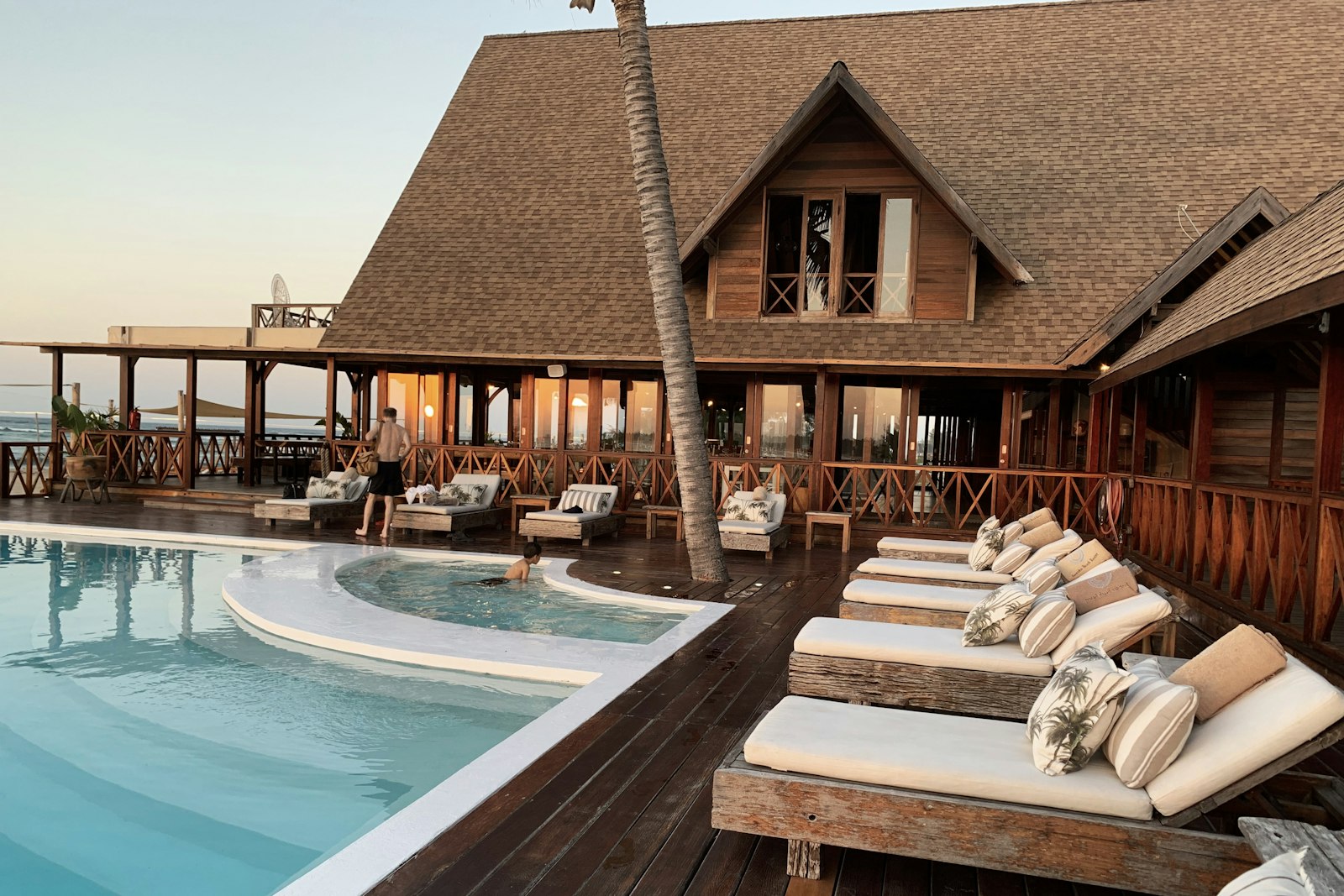
Resorts are self-contained hospitality properties designed around leisure, recreation, and relaxation — understanding how they work helps you choose the right one, read the fine print, and get genuine value from your stay.
What Makes a Resort Different from a Hotel
The word "resort" gets applied loosely in travel marketing, but in practical terms a resort differs from a standard hotel in one important way: the property itself is a significant part of the destination. Guests are expected — and often encouraged — to spend much of their time on-site, enjoying amenities rather than simply using their room as a base for exploring elsewhere.
Defining characteristics typically include extensive recreational facilities (pools, beaches, sports courts, spas, fitness centers), multiple dining and bar outlets, organized activities and entertainment, and a higher staff-to-guest ratio than a city business hotel. The grounds are usually large, sometimes requiring internal shuttles or golf carts to navigate between sections.
Major Resort Types
Resorts are broadly categorized by their setting and primary draw. Knowing the category helps you match the property to your trip's purpose.
- Beach and coastal resorts: Built around direct beach access, water sports, and ocean or sea views. Among the most common resort type globally, found everywhere from the Caribbean to Southeast Asia to the Mediterranean.
- Ski and mountain resorts: Centered on slope access and winter sports, though many operate year-round with hiking, mountain biking, and wellness programming in warmer months.
- Golf resorts: Organized around one or more championship-quality courses, with accommodation, dining, and sometimes spa facilities supporting the golfer's schedule.
- Spa and wellness resorts: Prioritize therapeutic treatments, fitness programs, nutrition, and mental wellness. Programs can range from a weekend detox to multi-week residential health retreats.
- Family resorts: Designed explicitly for multigenerational travel, featuring kids' clubs, age-specific pools, supervised activities, teen lounges, and babysitting services.
- Casino resorts: Integrate large gaming floors with hotel towers, entertainment venues, restaurants, and convention space — prominent in Las Vegas, Macau, and a growing number of other destinations.
- Eco and nature lodges: Smaller-scale properties in rainforests, national park buffer zones, or wildlife corridors, emphasizing environmental responsibility alongside guided nature experiences.
- City and urban resorts: Bring the resort concept — rooftop pools, full-service spas, multiple restaurants — into metropolitan settings, blending leisure with urban access.
All-Inclusive vs. Room-Only vs. Half-Board
Meal and beverage plans are one of the most important distinctions to understand before booking. Each model has genuine advantages depending on your travel style.
- All-inclusive (AI): The headline rate covers accommodation, all meals, snacks, and typically domestic or house-brand beverages. Many properties extend AI to non-motorized water sports, entertainment, and select activities. Premium alcohol, specialty restaurants, motorized excursions, and spa treatments often carry surcharges — read the inclusions list carefully.
- Room-only (RO): You pay for the room and purchase everything else separately. Useful if you want full flexibility to explore local restaurants and bars, but costs can accumulate quickly at an isolated resort where dining options are limited.
- Bed and breakfast (BB): Breakfast is included; other meals are paid separately. A practical middle ground at many European and mountain resorts.
- Half-board (HB): Breakfast and dinner are included, giving structure to the day while leaving lunch flexible. Common at ski resorts and European coastal properties.
- Full-board (FB): All three meals are covered, beverages typically excluded. Less flexible than AI but useful when dining options outside the resort are genuinely scarce.
When comparing rates, calculate your actual food and drink spend per day under each plan. An all-inclusive headline price often represents strong value for families or those who drink freely — and less value for light eaters or travelers who prefer to eat off-site.
Room Categories and Accommodation Styles
Large resorts frequently offer a wide internal hierarchy of room types, which can be genuinely confusing. Common designations include:
- Garden, pool, or ocean view: Refers to what you see from your balcony or window — a meaningful distinction since a premium view room can cost substantially more.
- Direct access: "Swim-up" rooms open directly onto a pool; beachfront rooms have private or semi-private beach access. These differ from simply having a view of the same features.
- Club floors or club levels: Rooms on designated floors that include access to a private lounge offering complimentary food presentations, drinks, and concierge services throughout the day.
- Villas and bungalows: Standalone or semi-detached structures offering more privacy, often with private plunge pools or butler service. Common in the Maldives, Bali, and upscale Caribbean properties.
- Over-water bungalows: Built on stilts above a lagoon or ocean, most associated with French Polynesia and the Maldives, though they appear in other destinations. Views, direct water access, and privacy are the appeal — note they are not ideal for guests with mobility limitations.
Always check floor plans or ask the property directly about room square footage, bed configurations, and distance to the main pool or beach. "Resort view" can sometimes mean looking at a service road or rooftop.
Amenities: What to Expect and What to Verify
Resort amenity lists are long and not every item is free or available to every guest. Before booking, confirm the following:
- Pool access: Large resorts often have multiple pools — family pools, adults-only pools, and quiet infinity pools. Some premium pools are restricted to guests in higher room categories or club levels.
- Beach access and equipment: Whether sun loungers and umbrellas are complimentary or reserved for higher tiers. Some beachfront resorts charge a daily beach fee even for in-house guests.
- Water sports: Distinguish between non-motorized (kayaking, paddleboarding, snorkeling gear — often included in AI) and motorized (jet skis, boat excursions — almost always extra).
- Spa: Treatments are priced separately in nearly all cases. Some resorts charge a facility or thermal suite access fee on top of treatment prices.
- Kids' club: Age range, supervision ratios, hours of operation, and whether programming is included or ticketed. Not all kids' clubs accept children under three.
- Wi-Fi: Many resorts now offer complimentary resort-wide Wi-Fi, but speeds can vary significantly. Some still charge for in-room high-speed connections or restrict complimentary access to lobby areas.
- Resort fees: A growing number of properties — particularly in the United States — add a mandatory daily resort fee at check-in. These fees may cover items like pool access, fitness center use, and Wi-Fi, but they are often not included in the initial quoted rate. Ask explicitly when booking.
Booking Strategies and Timing
Resorts often follow pronounced seasonality. Understanding high and low seasons at your chosen destination can mean significant savings without dramatically changing your experience.
Booking well in advance is generally advisable for peak periods (school holidays, public holidays, local festivals, ski season openers) when the most desirable room types sell out earliest. Conversely, shoulder season and last-minute deals can unlock premium categories at reduced rates — a useful strategy for flexible travelers without fixed departure dates.
Compare rates across the resort's own website, major OTAs (online travel agencies), and any loyalty program portals. Many resorts offer rate-match guarantees and additional perks — room upgrades, early check-in, resort credits — for direct bookings. If you are a member of a hotel loyalty program, booking through that program often accumulates points and unlocks member rates.
Travel agents who specialize in resort destinations (sometimes called destination specialists or luxury travel advisors) can access wholesale rates, negotiate amenity packages, and handle complex logistics — worth considering for honeymoons, milestone celebrations, or high-budget trips where errors are costly.
Understanding Resort Policies Before You Arrive
Cancellation and deposit policies at resorts are often stricter than at standard hotels, especially during peak seasons. Non-refundable deposits and 30-to-60-day cancellation windows are common on premium rooms. Travel insurance that covers trip cancellation is worth factoring into the total trip budget, particularly for prepaid all-inclusive packages.
Check-in and check-out times are generally standard (mid-afternoon in, mid-morning out), but many resorts will hold luggage and grant day-use access to pools and beaches when rooms are not yet ready — ask at check-in rather than assuming.
Dress codes still apply at some resort dining venues, particularly fine-dining restaurants and beach clubs. Confirming expectations in advance avoids disappointment, especially at formal European or luxury island properties.
Health, Safety, and Accessibility
Before traveling to a resort in a foreign country, consult your government's official travel health advisories and the destination country's entry requirements. For visa and entry documentation, the Passport & Visa section on TravelerPulse.pro is a useful starting reference, though always verify with official embassy or consulate sources.
Water safety is relevant at beach resorts — observe flag systems, posted warnings, and any guidance from resort lifeguards. Not all resort beaches have lifeguard coverage at all times.
Guests with mobility requirements should contact the resort directly before booking to confirm room accessibility, pool lift availability, pathway surfaces, and shuttle vehicle configurations. General accessibility language in marketing materials is often vague.
Sustainability and Responsible Tourism at Resorts
Large resort developments have a significant footprint — on local water supplies, coastlines, ecosystems, and labor markets. Travelers who care about responsible tourism can look for properties that hold recognized sustainability certifications (such as Rainforest Alliance, Green Globe, or destination-specific eco-certifications), actively employ local staff, source food locally, and operate documented environmental programs.
Be skeptical of vague "eco" or "green" claims in marketing. Specific, verifiable commitments — published sustainability reports, third-party certifications, named conservation partnerships — are more meaningful indicators.
Frequently Asked Questions
Is an all-inclusive resort worth it financially?
It depends on your consumption habits and the alternative options available. If you drink alcohol regularly, eat multiple meals a day at the property, and the resort is in a location where eating off-site is inconvenient or expensive, all-inclusive frequently delivers strong value. If you eat lightly, rarely drink, or want the flexibility to explore local restaurants, room-only or bed-and-breakfast plans may cost less overall. Calculate a realistic per-day food and beverage estimate before comparing plan prices.
What is a resort fee and do I have to pay it?
A resort fee (also called a destination fee or amenity fee) is a mandatory daily charge added at check-in, separate from the room rate. It is standard practice at many US resorts and some international properties. It is not optional and should be factored into your total accommodation cost when comparing properties. When booking, ask the property or OTA to confirm whether a resort fee applies and what it covers.
How far in advance should I book a resort?
For peak-season travel — particularly school holidays, Christmas/New Year, and destination-specific high seasons — booking six to twelve months in advance is advisable for the best room selection. For shoulder or low season, two to four months is often sufficient, and last-minute deals sometimes appear within thirty days of arrival. Flexibility in travel dates is the biggest factor in your ability to book at short notice.
Are resort kids' clubs safe and well-supervised?
Standards vary considerably between properties and countries. Reputable international resort brands typically maintain documented child-to-staff ratios, require children to be signed in and out by a registered guardian, and separate age groups with appropriate programming. Always ask the specific resort for its supervision ratio, staff qualifications, hours, and age range before relying on kids' club services.
Can I visit a resort for a day without staying overnight?
Many resorts offer day passes that provide access to pools, beaches, and sometimes dining for a flat fee. Availability, pricing, and what is included under a day pass vary by property. Some resorts restrict day access entirely to overnight guests. Contact the resort directly to ask — and if you book through an online day-pass platform, confirm the inclusions carefully before purchasing.
Planning Your Resort Stay
A well-chosen resort stay is genuinely one of travel's most satisfying experiences — a place where logistics recede and the focus shifts to relaxation, activity, or both. Getting there requires doing the homework: understanding the pricing model, reading the room category descriptions carefully, confirming what the amenity list actually includes, and verifying policies before committing.
Use My Travel Hub on TravelerPulse.pro to keep your booking confirmations, activity wish lists, and travel documents organized in one place. The more clearly you define what you want from a resort stay before you book, the more likely the property you choose will deliver it.



