
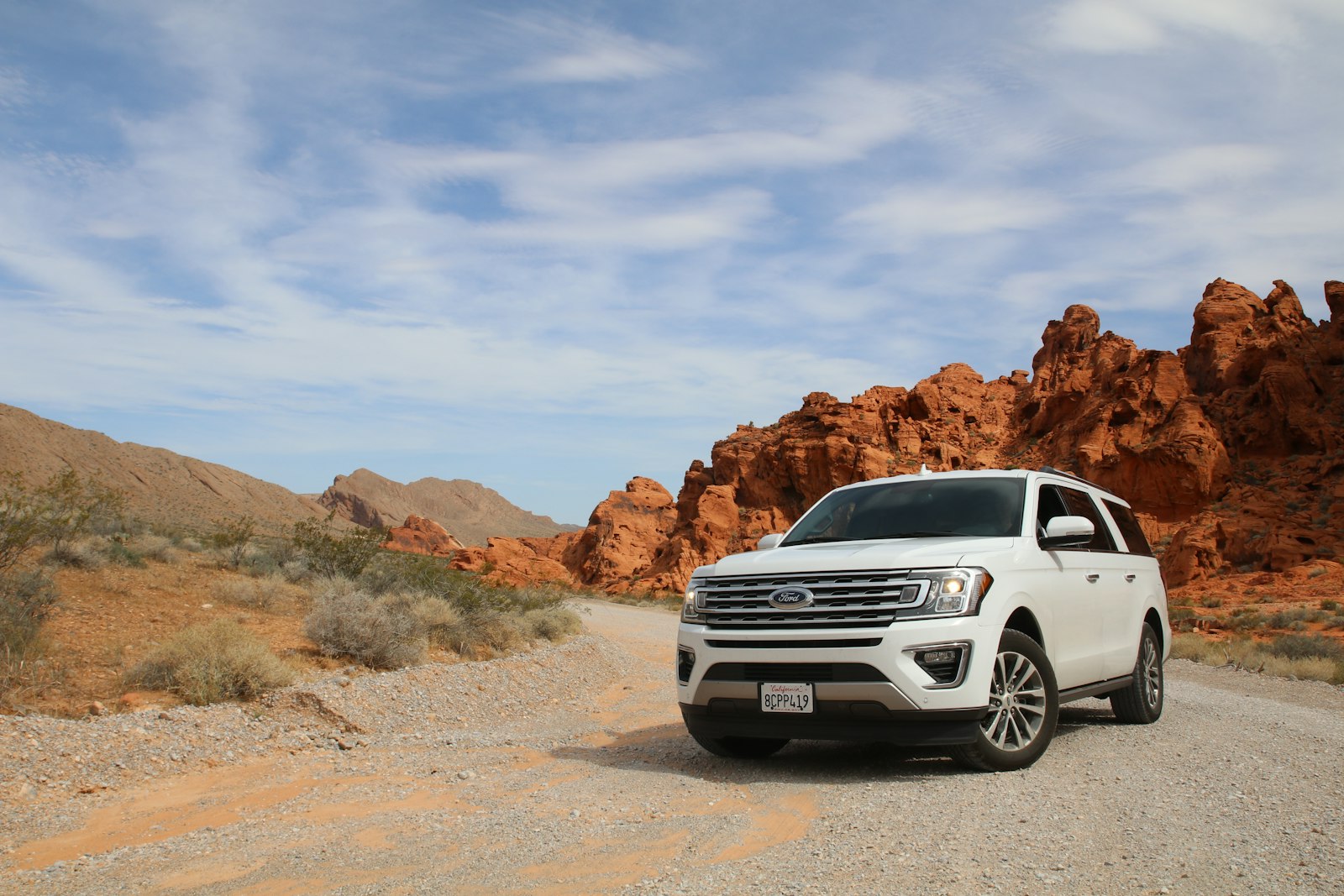
Ridesharing with children is entirely doable, but it demands more preparation than a solo ride — car seat laws, vehicle size, and safety habits all come into play before you even tap "request."
Why Rideshare and Families Are a Complicated Mix
Rideshare services like Uber and Lyft have transformed urban and airport transportation for millions of travelers. For families, however, the convenience comes with real logistical questions: Do rideshare drivers carry car seats? What vehicle fits a double stroller and three bags? Is it legal to ride without a booster seat?
The answers depend on where you live, which platform you use, and how old your children are. This guide cuts through the confusion and gives you a practical framework for every family rideshare situation.
Understanding Car Seat Laws — The Non-Negotiable Starting Point
Car seat requirements are set by individual states, provinces, and countries — not by rideshare companies. In most U.S. states, the law applies equally whether you are riding in a private car, taxi, or rideshare vehicle. Some jurisdictions do provide limited exemptions for hired vehicles, but those exemptions are narrowing over time as lawmakers catch up with the rideshare era.
Never assume an exemption exists in your destination. Before any family trip, check the official transportation or motor vehicle authority website for the specific state or country you will be traveling in. Requirements typically hinge on a child's age, weight, and height, and they differ significantly across borders.
- Rear-facing infant seats are required up to certain weight and height limits in most places.
- Forward-facing seats with harnesses cover a broad toddler range.
- Booster seats bridge the gap until a child fits a standard seat belt correctly.
- Seat belt alone becomes appropriate only when the lap-and-shoulder belt fits properly across the child's body.
Do Rideshare Drivers Carry Car Seats?
Standard rideshare drivers are not required to carry car seats, and the overwhelming majority do not. A few platforms offer specialized "car seat" ride options in select cities — Uber Car Seat in New York City is one example — where the driver provides a specific seat for children of a defined age range. These options are limited geographically and typically cost more.
The safest and most reliable approach for most families: bring your own car seat. Depending on your destination and the child's age, this may also be a legal requirement, not just a preference.
Choosing and Bringing the Right Car Seat
Traveling with a car seat is undeniably inconvenient, but the inconvenience is manageable with the right gear and mindset.
- Travel-specific seats: Several manufacturers make compact, lightweight car seats designed for exactly this scenario. They fold smaller, weigh less, and often include a carry bag.
- Convertible seats: Many parents already own a convertible seat that covers infant through booster stages. Check its weight before committing to carry it on a long trip.
- Seat bags and backpacks: Dedicated car seat travel bags protect the seat and often allow you to wear it like a backpack through airports, keeping hands free.
- Checking a seat on a flight: Most airlines accept a car seat as a checked item, frequently at no extra charge. Policies vary — verify with your specific airline before you travel.
When you arrive at your destination and your car seat goes into a rideshare vehicle, install it yourself. Do not assume the driver knows how to install your particular model correctly. Practice the installation at home until you can do it quickly and confidently.
Selecting the Right Vehicle Type
Rideshare platforms generally offer several vehicle categories beyond the standard economy car. Choosing correctly matters more when children are involved.
- Standard/UberX/Lyft Standard: A typical four-door sedan. Fits one car seat and two adults comfortably. A second car seat is tight but possible in many vehicles.
- XL/SUV options: Six- to seven-passenger SUVs and minivans. Much more room for multiple car seats, a stroller, and luggage. Strongly recommended for families with two or more young children.
- Premium tiers: Higher-end vehicles, not necessarily larger. Focus on XL over luxury if cargo and seat room are the priority.
When traveling from an airport with a stroller, car seat, and bags, always book XL. Attempting to fit a large travel system, a car seat, and three rolling suitcases into a sedan is a recipe for a cancelled ride and a frustrated driver.
Booking Smart: Tips Before You Request
A few booking habits make family rideshare trips significantly smoother.
- Add a note in the app: Many platforms allow a note to the driver. Briefly mention you have a car seat to install — this signals that loading will take a few extra minutes and reduces driver frustration.
- Schedule rides in advance: For airport pickups and time-sensitive departures, pre-scheduled rides give you more control over vehicle availability. Surge pricing is also less likely to surprise you.
- Have the app ready before you exit the terminal: With children in tow, fumbling with a phone in the pickup lane is stressful. Request the ride while you are still gathering bags at baggage claim.
- Know the pickup zone: Rideshare pickup areas at airports can be far from the terminal door. Check the airport's rideshare pickup map on TravelerPulse.pro airport pages before you land so you know exactly where to walk.
Keeping Kids Safe During the Ride
Installation and booking are only part of the picture. The behavior inside the vehicle matters too.
- Harness all children in their appropriate restraints before the vehicle moves — no exceptions, no matter how short the trip.
- Children old enough to be in a seat belt should use the rear seats. Airbags in the front seat can be dangerous for children.
- Keep the door child locks engaged if your vehicle has them — many rideshare drivers are happy to do this if asked.
- Do not allow children to unbuckle during the ride, even in traffic stops.
- Distract younger children with a small toy, snack, or downloaded video rather than handing them your phone, which can create a distraction for the driver.
Managing Infants in Rideshares
Infants present the biggest challenge because they require rear-facing seats and have the least physical resilience in a crash. If you are traveling with an infant:
- A dedicated infant seat or a convertible seat used in the rear-facing position is essential.
- Infant carrier wraps and slings are not a substitute for a car seat in a moving vehicle, regardless of how secure they feel.
- If you are in a city with a car-seat ride option, book it — but confirm the seat's age and weight range matches your infant before assuming it works.
- For short trips where you have no car seat available, consider whether another mode of transport (taxi companies that specialize in family transport, rental cars, or public transit) might be a safer option.
Strollers and Cargo: Practical Logistics
A full-size travel stroller changes the logistics of every rideshare ride.
- Compact and umbrella strollers fold small enough to fit in a standard sedan trunk alongside luggage.
- Full-size travel systems with an infant car seat attached often require an SUV or minivan — book XL.
- Practice collapsing your stroller one-handed at home. You will likely be holding a child with the other hand when the rideshare arrives.
- Some drivers will not exit to help with luggage and strollers. Have a plan for loading independently.
Costs and Tipping
Family rideshares typically cost more than solo rides — larger vehicle categories carry higher base fares, and airport trips add fees and tolls. Factor in:
- The price difference between standard and XL categories, which can be substantial.
- Extra wait time charges if installation takes longer than a minute or two in a busy pickup zone.
- Tipping: drivers who wait patiently while you install a car seat and load a stroller deserve a generous tip. It also makes future rides more pleasant — drivers with good family-trip ratings are easier to find.
Frequently Asked Questions
Is it ever legal to skip a car seat in a rideshare?
Some jurisdictions do have limited exemptions for taxis and hired vehicles, but these vary widely and are often misunderstood. Never rely on an assumed exemption. Check the official motor vehicle or transportation authority website for your specific destination. When in doubt, bring your car seat.
What if the driver refuses to wait for me to install the car seat?
Politely explain that installation is required by law and will take only a couple of minutes. If a driver is genuinely uncooperative, cancel the ride, report the incident through the app, and request a new driver. Your child's safety takes priority over any cancellation fee.
Can I use a car seat that was in an accident?
Most manufacturers and safety authorities recommend replacing a car seat after any moderate or severe crash, even if it looks undamaged. Check the specific guidance from the seat's manufacturer and your country's road safety authority. When traveling, bring only seats you know are in good, verified condition.
How do I find rideshare pickup zones at unfamiliar airports?
Rideshare pickup areas are often on a different level or in a remote lot, separate from traditional taxi and shuttle zones. Check the airport's official website, and use TravelerPulse.pro airport pages for terminal maps and ground transportation details before you land — it saves a lot of wandering with kids and luggage in tow.
The Bottom Line for Traveling Families
Ridesharing with children is a practical, often cost-effective option — but it requires you to take ownership of the safety decisions that a rental car company or airline would otherwise handle for you. Bring your own car seat, know the local laws, book the right vehicle size, and install the seat yourself. With those habits in place, rideshare becomes one more reliable tool in a family traveler's toolkit rather than a source of stress.
Use My Travel Hub on TravelerPulse.pro to keep all your ground transportation details, flight times, and destination notes in one place — particularly useful when you are coordinating the moving pieces of a family itinerary.




