
Booking a rideshare with bags in tow requires a little more planning than an empty-handed trip — knowing your options, vehicle types, and driver etiquette will save you frustration at the curb.
Why Luggage Matters More Than You Think in a Rideshare
Rideshare vehicles are privately owned cars, not purpose-built taxis with oversized trunks. That distinction matters when you're wrestling a 28-inch checked bag, a carry-on, and a personal item into someone's Honda Civic at 5 a.m. Unlike a hotel shuttle or a black-car service booked specifically for airport transfers, a standard rideshare is optimized for passengers — not cargo.
Understanding the limits of different vehicle categories and communicating clearly with your driver before and during pickup will make the difference between a smooth departure and a scramble.
Matching Your Luggage Load to the Right Vehicle Tier
Every major rideshare platform offers multiple service tiers, and vehicle size is one of the primary reasons to choose one over another.
- Standard / Economy: Compact and midsize sedans. Typically accommodates one large checked bag and one carry-on comfortably. A second large bag is tight; three is often impossible without putting bags on laps.
- Comfort / Premier: Larger sedans and some crossovers. Slightly more trunk space and legroom, which helps when you have an extra bag or bulky items.
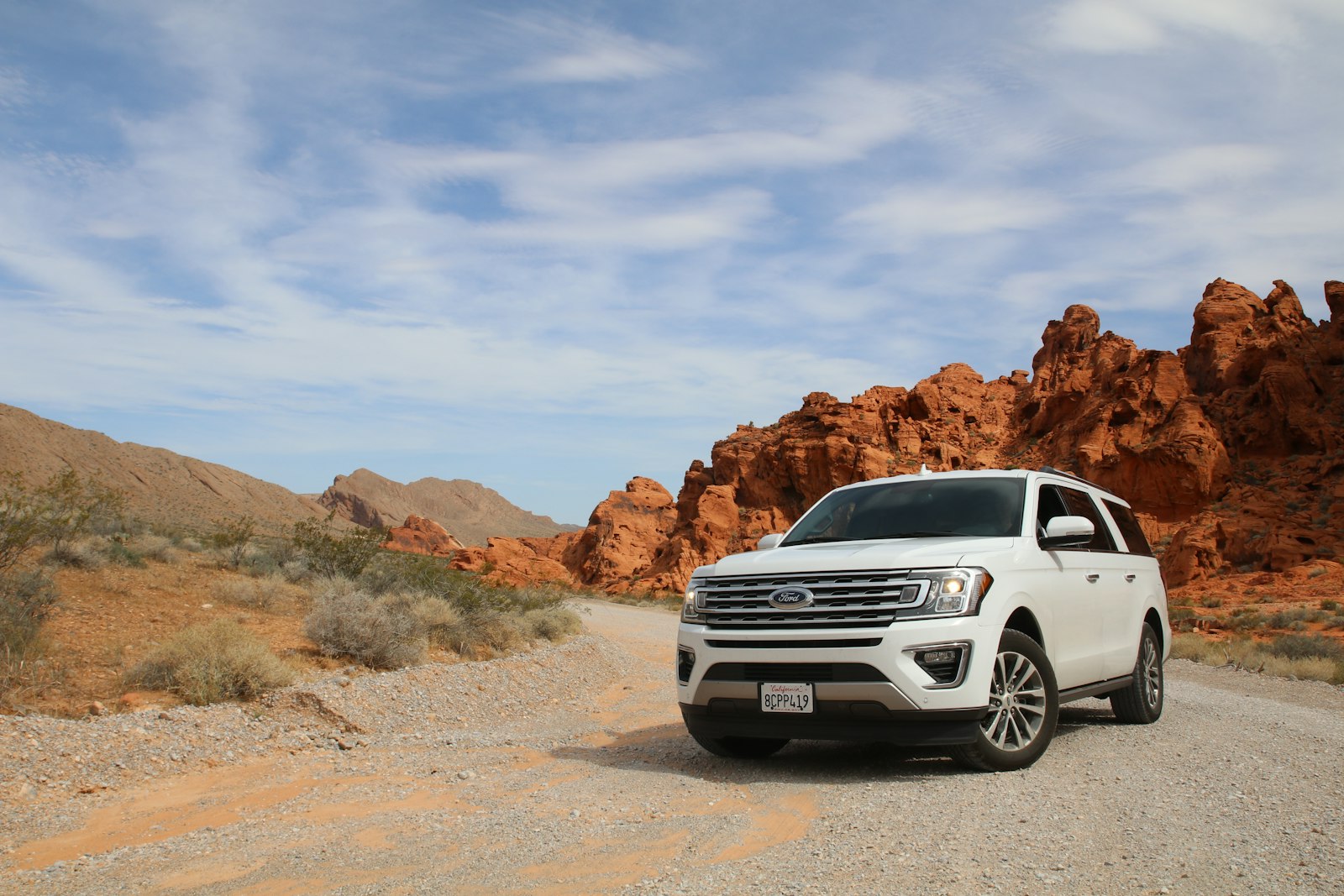
- XL / SUV: The go-to choice for families, groups, or anyone traveling with multiple large bags. A three-row SUV can usually handle several full-size suitcases plus carry-ons without difficulty.
- Lux / Black SUV: Premium large vehicles with ample cargo space. Best for travelers who want guaranteed room and a higher-end experience.
- Shared / Pool rides: Generally a poor choice with substantial luggage. You may be picked up alongside other passengers, and adding large bags creates real friction for everyone in the car.
As a general rule: if you have more than two large bags, select XL or SUV from the start rather than hoping a standard vehicle will work out.
What Counts as Oversized or Problem Luggage
Most rideshare drivers — and platform policies — draw informal lines around luggage that is genuinely difficult to load safely. Items that frequently cause issues include:
- Rigid hard-shell suitcases larger than 30 inches
- Golf bags and sporting equipment
- Bicycles, even partially disassembled
- Musical instruments (guitars, cellos, keyboards)
- Car seats for infants and toddlers
- Strollers, especially jogging models
- Surfboards, skis, and snowboards
For sports equipment and specialty items, rideshare is often not the best solution. Consider a dedicated car service, cargo van rental, or checking whether the platform has a specialty vehicle option in your city. When in doubt, contact the driver through the app before they arrive to give them a heads-up.
Airport Pickups: Navigating Designated Rideshare Zones
Airports have tightened their rideshare rules significantly in recent years. Most major airports now designate specific rideshare pickup zones — often on a lower level, a separate garage, or a remote lot — that are separate from traditional taxi stands and hotel shuttles.
A few things to keep in mind:
- Follow the in-app map or instructions, not the signs for general taxis. The pickup pin location in the app is usually set by the airport authority and may differ from where you exit baggage claim.
- At busy airports, walk time to the rideshare lot can be five to fifteen minutes with bags. Factor this in, especially if you have a tight connection or a waiting driver.
- Drivers in designated lots typically cannot wait indefinitely. If you're delayed at baggage claim, communicate through the app to avoid a cancellation.
- Curb-side pickups by rideshare drivers outside of designated zones are frequently prohibited and can result in fines for drivers. Don't ask a driver to meet you at the arrivals curb if the airport doesn't allow it.
The airport pages on TravelerPulse.pro include terminal maps and notes on ground transportation zones, which can help you orient yourself before you land.
Loading and Unloading: Driver Etiquette You Should Know
Rideshare drivers are not required to handle your bags — they are driving a personal vehicle, not working as a porter. That said, many drivers will help load and unload, especially for airport runs, and it's a courtesy worth acknowledging.
- Be ready at the curb before your driver arrives. Keeping a driver waiting while you reorganize bags is one of the most common complaints drivers report.
- Ask before placing anything on seats. Hard-sided luggage can scratch door panels and leather seats. When possible, keep bags in the trunk.
- Lift your own bags into and out of the trunk unless the driver volunteers. If a driver does help, a tip is always appreciated.
- Never force oversized items. If a bag doesn't fit safely with the trunk fully closed, it shouldn't travel that way. A partially open trunk is a safety hazard and may violate traffic law in some jurisdictions.
- Cancel and rebook in a larger tier if your luggage clearly doesn't fit, rather than pressuring the driver to make it work.
Car Seats and Traveling With Children
This is one of the most consequential luggage-adjacent questions for families. Rideshare platforms generally do not guarantee car seats, and regulations on child restraints vary by jurisdiction. Many platforms offer a car seat option in select cities, but availability is limited and not universal.
Families traveling with infants or young children should:
- Check whether a car seat service tier exists in their specific city through the app before assuming it's available.
- Consider bringing their own portable car seat or travel booster and confirm with the driver that installation is possible before confirming the ride.
- Consult local traffic laws — in many places, the adult passenger in the vehicle is legally responsible for ensuring children are properly restrained, regardless of who owns the car.
Tips for Traveling With Fragile or High-Value Items
Musical instruments, camera equipment, and similar valuables deserve special consideration in a rideshare context.
- Hard cases protect equipment from the jostling of a car trunk. Use them.
- Fragile items are generally better kept in the passenger cabin where you can monitor them, though this requires the driver's agreement and shouldn't block sightlines.
- Rideshare platforms typically carry limited liability for lost or damaged property. Do not assume the driver's personal auto insurance or the platform's coverage extends to your camera or violin. Check your travel insurance policy — many comprehensive policies cover personal property in transit.
Tipping and Ratings When Bags Are Involved
If a driver helps you load and unload multiple heavy bags, navigates airport traffic, and waits patiently while you retrieve your luggage from baggage claim, a tip above the standard rate is appropriate. Luggage-heavy rides are harder work and often involve more time.
Similarly, your rating matters. If a trip involved an unusually large or difficult luggage load, consider whether your expectations were realistic for the vehicle tier you selected — and rate accordingly.
Booking Strategies for Heavy-Luggage Travelers
- Book in advance where available. Some platforms allow scheduled rides, which gives you time to specify vehicle type and communicate luggage details before the day of travel.
- Use the notes or message feature to inform your driver of large bags before they arrive. Many drivers appreciate the advance notice.
- Compare cost against alternatives. For very large luggage loads or specialty equipment, a car rental, dedicated airport car service, or even shipping luggage ahead (via a luggage-forwarding service) may be more practical than a rideshare.
- Travel light when possible. The single most effective luggage strategy for rideshare travel is reducing bag count and size at the packing stage.
Frequently Asked Questions
Can a driver refuse my ride if my luggage doesn't fit?
Yes. Rideshare drivers have discretion to cancel a ride if luggage cannot be safely accommodated in their vehicle. This is not a policy violation on their part — it's a practical and safety-based decision. To avoid this, select an appropriately sized vehicle tier from the start.
Am I charged extra for having luggage in a rideshare?
Standard rideshare pricing is based on distance and time, not luggage quantity. However, if your bags cause the driver to wait longer — for example, while you load an unwieldy cart of suitcases — that additional time may factor into a time-based fare. Some cities and airports also add flat surcharges to rideshare fares regardless of luggage.
What happens if I leave something in the rideshare vehicle?
Most platforms have a lost-item process accessible through the app. Contact the driver through the platform immediately after you realize something is missing — do not wait. Platforms typically facilitate a return pickup, which may involve a small fee paid to the driver. For high-value items, also file a report through the platform's support channel and check your travel insurance policy for any coverage.
Is rideshare a good option for airport transfers with a lot of luggage?
It can be, provided you select the right vehicle tier. For solo travelers with one or two bags, a standard or comfort tier usually works well. For families or groups with multiple large bags, booking an XL or SUV tier is strongly recommended. If your group has five or more passengers plus bags, a dedicated shuttle or van service may be more efficient and cost-effective.
Putting It All Together
Rideshare and luggage can coexist perfectly well — the key is honest assessment of what you're bringing and matching it to the right vehicle. Select your tier thoughtfully, communicate proactively with your driver, respect the vehicle, and tip when a driver goes the extra mile. For complex trips involving international arrivals, visa considerations, or multi-stop itineraries, the My Travel Hub on TravelerPulse.pro can help you keep every leg of the journey organized in one place, so the ground transportation piece is just one less thing to scramble over.




