
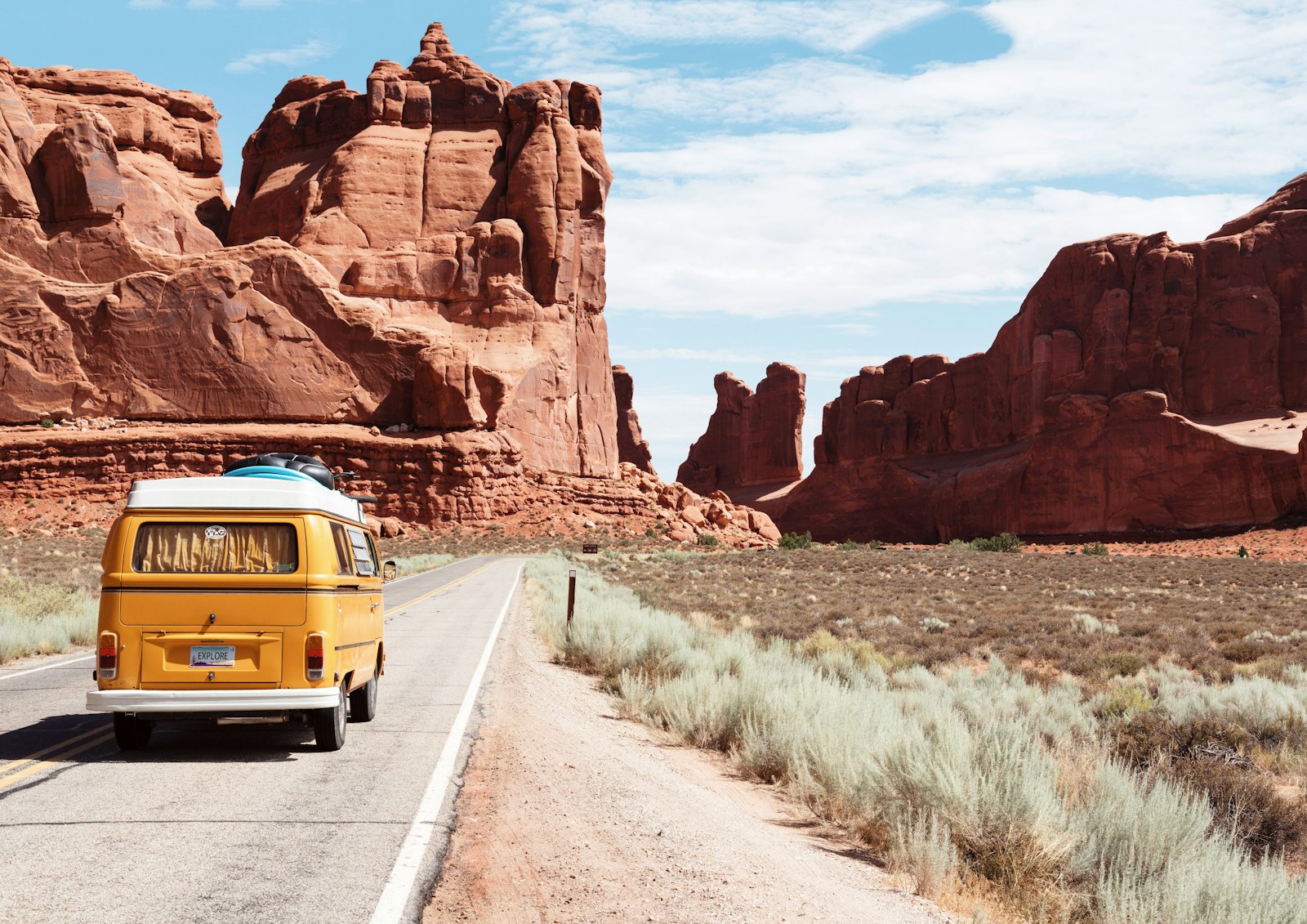
A well-planned family road trip can be one of the most rewarding travel experiences you share with your children — but success depends on preparation, realistic expectations, and a few tried-and-true strategies for keeping everyone comfortable on the road.
Road trips offer something that flights rarely can: flexibility. You control the pace, the stops, the soundtrack, and the snacks. For families, that freedom is both the greatest advantage and the biggest challenge. Children have different physical needs, attention spans, and emotional reserves than adults, and a long drive that feels manageable to a grown-up can feel endless to a seven-year-old in a booster seat.
This guide covers every stage of planning and executing a road trip with children — from the weeks before you leave to the moment you pull back into your driveway.
Start With Realistic Planning
The single most common mistake families make is treating a trip with children like a trip without them. Adult drivers often measure a route by highway miles and fuel stops. With children aboard, your effective daily driving range shrinks considerably.
- Distance per day: Many families with young children find that four to six hours of actual driving time per day is a comfortable ceiling. Factor in stops and that number translates to a much longer stretch of clock time.
- Drive during sleep hours: Early-morning or late-evening departures, timed around nap or bedtime, can dramatically reduce backseat tension on long driving days.
- Build in buffer days: If a destination requires three driving days, plan for four. An unexpected detour to a roadside attraction or an extra hour at a rest-stop playground costs nothing and produces memories.
- Choose routes with child-friendly waypoints: Parks, natural landmarks, drive-through wildlife areas, and small-town main streets all make natural, genuinely interesting stops for kids.
Car Seat Safety and Vehicle Setup
Before anything else, confirm that every child is in the correct restraint for their age, weight, and height. Car seat regulations vary by country and by state or province, so consult your local road-safety authority or national transportation agency for the current legal requirements in every jurisdiction you will cross.
General principles that apply broadly:
- Rear-facing seats offer the highest protection for infants and toddlers; keep children rear-facing as long as the seat's weight and height limits allow.
- Forward-facing harness seats, then booster seats, then seat belts alone represent the developmental progression — move up only when children have genuinely outgrown the previous stage.
- Have car seats inspected by a certified technician before a long trip if you have any doubt about installation.
- Never place a rear-facing infant seat in front of an active airbag.
Beyond safety hardware, organize the vehicle itself for a long journey. Keep a small bag of in-reach essentials — wipes, a spare change of clothes, snacks, motion-sickness supplies — separate from luggage in the trunk.
Packing Smart for Families
Overpacking is the enemy of comfortable car travel. Every extra bag reduces foot space and makes the inevitable mid-trip dig-through more chaotic.
- Each child gets one personal bag within reach: favorite toy, headphones, a book or activity kit, and a water bottle.
- A shared activity bin in the middle seat area can hold coloring supplies, card games, and small puzzles — rotate items rather than dumping everything in at once.
- Clothes: Pack for the number of days plus two outfits. Spills, unexpected weather, and mud happen.
- First-aid kit: Include children's pain reliever (appropriate for age), antiseptic, bandages, and any prescription medications with dosing instructions.
- A car organizer that hangs from the back of front seats keeps small items accessible without chaos.
Snacks, Meals, and Staying Hydrated
Hunger and low blood sugar are reliable triggers for backseat meltdowns. Strategic snacking is one of the most effective behavioral tools available to road-tripping parents.
- Choose snacks that are low-mess and nutrient-dense: cut vegetables, cheese cubes, whole-grain crackers, fruit pouches for toddlers, trail mix for older children.
- Avoid heavy reliance on sugary snacks — the energy spike and subsequent crash plays out in a closed car.
- Keep a cooler with a simple "real meal" option: sandwiches, wraps, or leftovers eaten at a picnic table beat a drive-through both nutritionally and experientially.
- Hydrate consistently but strategically. Children need regular water intake, especially in warm weather or high altitude. Time larger drinks around planned rest stops.
- Disposable bibs and a roll of paper towels within easy reach are small investments that prevent large frustrations.
Keeping Children Engaged
Entertainment strategy depends heavily on age. What works for a ten-year-old is useless for a toddler and vice versa.
Infants and Toddlers (Under 3)
This age group has very limited tolerance for car seat time. Short driving windows, frequent stops for movement, and simple sensory toys — crinkle books, soft teethers, clip-on mirror toys — are your main tools. Don't expect structured activities to work here.
Preschool and Early Elementary (3–7)
Audiobooks designed for young children, simple road-trip games like the license plate game or "I Spy," window clings, sticker books, and magnetic drawing boards all work well. This group benefits enormously from a countdown ("two more songs and then we stop").
Older Children and Tweens (8–12)
Podcasts, audiobooks, downloaded music playlists they helped curate, travel journals, and map-reading participation all engage this group. Giving older children a real navigational role — tracking where you are, identifying upcoming landmarks — creates investment in the journey.
Teenagers
Teens often do best when given some autonomy: their own playlist time through the car speakers, input on stops, and recognition that they are co-travelers, not passengers. Shared podcast listening and travel photography projects can bridge the generational gap.
Screen time — tablets with downloaded content — is a legitimate tool. Use it strategically rather than constantly, so it retains its power as a reset when things get difficult.
Rest Stops: Frequency and Quality
Plan formal stops every ninety minutes to two hours, regardless of whether anyone announces they need one. Young children in particular do not always recognize or communicate physical needs in time.
- Look for rest areas with walking space, playgrounds, or open grass — even ten minutes of running changes the atmosphere in the car.
- National and state/provincial parks along your route often have picnic areas that double as excellent stretch stops.
- Fuel stops should coincide with rest stops whenever possible to minimize total time lost.
- During rest stops, get children moving: jumping jacks, a short trail walk, or simply chasing each other across a lawn resets the nervous system for the next driving segment.
Managing Motion Sickness
Motion sickness is common in children, particularly those between roughly three and twelve years old. If your child has experienced it before, plan proactively.
- Seat position matters: middle seats with forward views reduce symptoms for many children.
- Avoid reading or screen use during particularly winding road sections.
- Fresh air — cracked windows — can help, as can keeping the car cool.
- Consult your pediatrician before the trip about appropriate preventive options, including antihistamine-based remedies or acupressure bands. Never administer any medication without age-appropriate dosing guidance from a medical professional.
- Carry a supply of sealed bags, a change of clothes, and wipes. Preparation removes the worst of the stress if an episode does occur.
Accommodation Planning
Booking accommodations in advance is strongly recommended for family road trips, particularly in peak travel seasons. Arriving in an unfamiliar town with exhausted children and no confirmed room is a genuinely unpleasant experience.
- Look for properties with in-room kitchenettes or suites — the ability to prepare a simple meal and give children their own sleep space matters after a long day.
- Hotel pools provide an excellent end-of-day energy release for children and are often the highlight of a travel day for younger kids.
- Campgrounds and RV parks suit families who prefer outdoor environments and offer more physical freedom at the end of driving days.
- Keep a consistent bedtime routine even on the road — familiar books, a predictable wind-down sequence, and a comfort item from home all support better sleep in unfamiliar places.
Health, Safety, and Emergency Preparedness
Before departure, ensure every adult driver knows the location of the nearest hospital or urgent care center for each leg of the journey. Many mapping applications include this functionality.
- Carry a printed card with each child's name, date of birth, blood type if known, allergies, and primary care physician contact information.
- If traveling across international borders, research entry requirements — including any documentation needed for children traveling with one parent — well in advance. The TravelerPulse.pro Passport & Visa section is a useful starting point; always verify with official government immigration and border agency sources.
- Keep your vehicle's roadside assistance information accessible, not buried in the glove box.
- Teach age-appropriate children what to do if they become separated from the group at a rest stop or attraction.
Involve Children in the Planning
Children who have some ownership over a trip are more invested travelers. Even young children can contribute meaningfully.
- Let each child choose one stop or activity along the route.
- Involve older children in mapping the route and researching destinations.
- Give children a simple travel journal or disposable camera to document their own version of the trip.
- Talk about the destinations before you go — history, wildlife, local food — so arrivals feel like discoveries, not surprises.
You can keep all of this organized in one place using the My Travel Hub on TravelerPulse.pro, where you can store itineraries, accommodation details, and route notes for the whole family.
Frequently Asked Questions
How long should I drive each day with young children?
Most families with children under eight find four to six hours of driving per day manageable. Beyond that, fatigue — for children and adults — increases significantly. It is almost always better to break a long trip into an extra day than to push through an exhausting final stretch.
What do I do if a child refuses to stay buckled?
Pull over safely and do not resume driving until the child is properly restrained. Be consistent every time — children learn quickly that this boundary is non-negotiable. For very young children who resist car seats, distraction with a special toy or audiobook reserved only for car time can help. If the problem is persistent, consult your pediatrician.
Are there road-trip strategies for children with special needs or sensory sensitivities?
Yes, though they vary considerably by individual need. General principles include shorter driving segments, more frequent sensory breaks, familiar comfort items, and noise-canceling headphones for children sensitive to sound. Consult with your child's care team before the trip for personalized guidance, and consider routes that allow maximum flexibility to stop when needed.
Should I drive at night to avoid traffic and keep kids asleep?
Night driving can work well for families with infants or toddlers who sleep reliably in the car, but it comes with trade-offs. Driver fatigue at night is a genuine safety risk, particularly if you are already tired from daytime activities. If you use this strategy, ensure the driving adult is well-rested, and consider sharing night driving with another adult if possible.
Conclusion
The best family road trips are rarely the ones that go perfectly according to plan — they are the ones where parents were prepared enough to roll with the unexpected and flexible enough to enjoy the detours. Pack thoughtfully, drive conservatively, stop often, and treat the journey as part of the destination. The miles you share inside that car, navigating the world together, often become the stories your children carry longest.




