
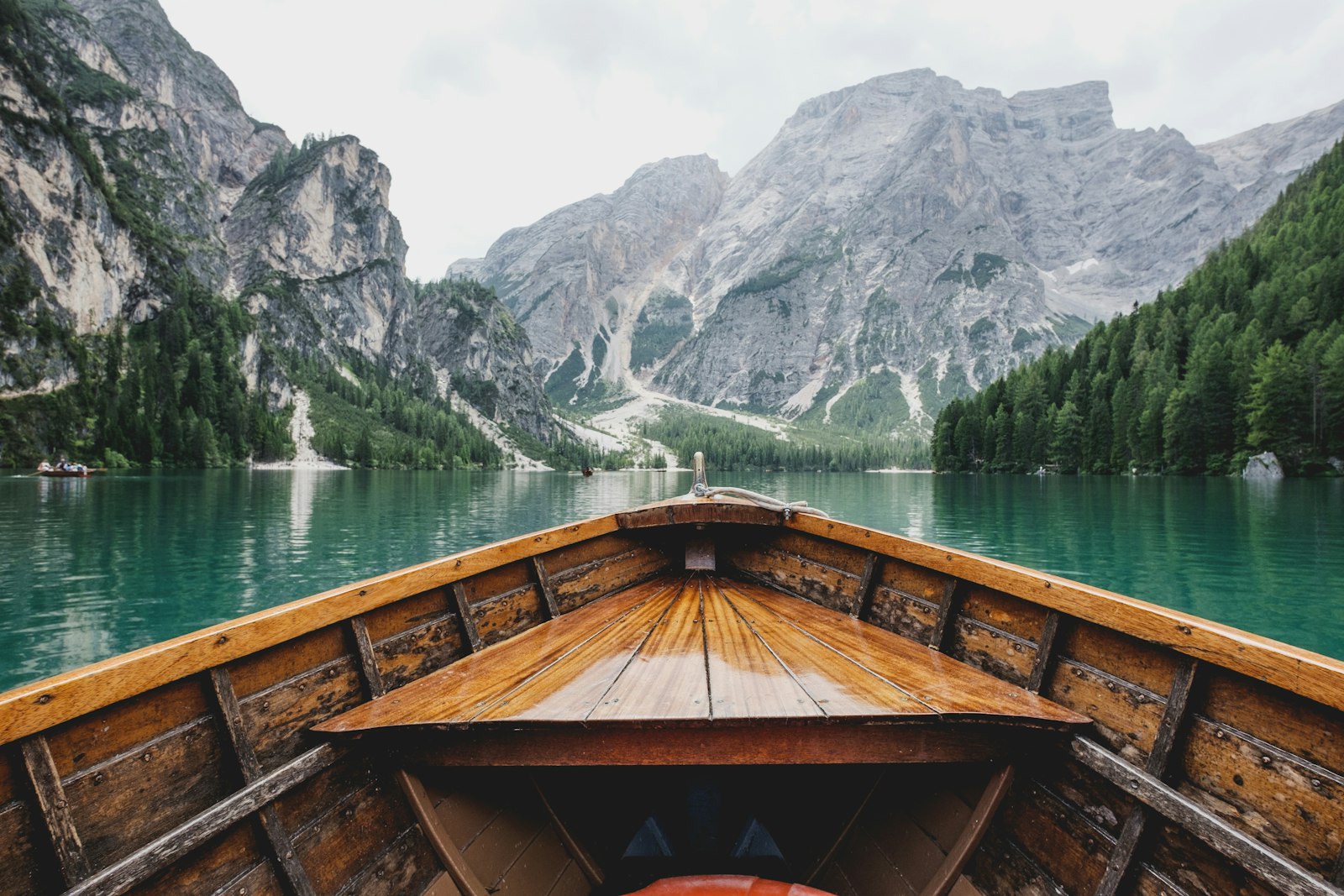
Scenic drives turn the journey itself into the destination — this guide walks you through finding great routes worldwide, planning your trip intelligently, and getting the most out of every mile of road.
Flying over a landscape gets you there fast. Driving through it lets you actually see it. Scenic drives — officially designated routes, beloved local roads, and spontaneous detours alike — remain one of travel's most rewarding formats. You set the pace, you stop when something catches your eye, and you arrive with a genuine sense of the land between your origin and your destination.
Whether you're planning a week-long road trip across a new country or a single afternoon loop through countryside you've never explored, this guide covers the principles that make any scenic drive memorable rather than merely passable.
What Makes a Drive "Scenic"?
The word gets applied loosely, but a genuinely scenic drive typically combines several qualities:
- Visual variety: Coastlines, mountain passes, river valleys, desert plateaus, vineyard-covered hills — changing terrain keeps the eye engaged.
- Manageable pace: A route where the speed limit and road character actually allow you to look around, not just concentrate on the tarmac.
- Stopping points: Overlooks, small towns, trailheads, historic sites, or roadside food worth pulling over for.
- Low congestion (relative to the scenery on offer): Even famous routes can be driven in quieter windows of time.
Not every scenic road is a grand, famous highway. Some of the most memorable drives are unmarked county roads a local mentioned at breakfast.
Types of Scenic Drives to Know
Officially Designated Routes
Many countries maintain formal scenic byway or heritage road programs. In the United States, the Federal Highway Administration designates National Scenic Byways and All-American Roads. Canada, Australia, New Zealand, and much of Europe have equivalent programs. These designations mean the route has been evaluated for scenic, cultural, historic, natural, or recreational qualities — useful shorthand when you're researching unfamiliar territory.
National Park and Protected Area Roads
Roads through national parks are often managed specifically to maximize scenery and minimize intrusion. Entrance fees apply in many cases, and some park roads require timed-entry permits during peak seasons — always check the park's official website before you go.
Coastal Roads
Cliff-edge coastal highways rank among the most visually dramatic driving experiences on earth. They also come with specific hazards: sharp curves, sea spray on the road surface, and wind. Drive them in daylight for the views and for safety.
Mountain Passes
High-altitude passes through the Alps, Rockies, Andes, Himalayas, or any significant mountain range offer extraordinary elevation changes and views. Seasonal closures are common — verify road-open dates before building your itinerary around one.
Desert and Steppe Roads
Long, straight desert highways have a beauty of their own: vast skies, dramatic color shifts at dawn and dusk, and a profound sense of space. Fuel and water planning is essential; services can be very widely spaced.
How to Research and Choose a Route
Start broad, then narrow down based on your available time, the season, and what kind of landscape genuinely interests you. Useful research sources include:
- National and regional tourism boards: Often maintain downloadable scenic drive maps with points of interest.
- Motoring organizations: Groups like AAA, AA, ADAC, and their equivalents publish detailed route guides.
- Mapping apps: Most now allow you to toggle "avoid highways" and explore alternative routes visually before committing.
- Traveler communities: Real-world reports from people who drove a road last month are invaluable for current conditions, construction, and hidden highlights.
- TravelerPulse.pro airport and destination pages: If your scenic drive starts or ends near a major hub, our destination pages can surface nearby routes and traveler tips to get your planning started.
When evaluating a route, look at total distance versus total time separately. A 100-mile mountain road and a 100-mile interstate are completely different propositions in terms of drive time.
Planning the Logistics
Vehicle Choice
Match the vehicle to the road. A standard rental sedan handles most paved scenic drives perfectly well. Unpaved backcountry routes, high mountain tracks, or river crossings demand a capable four-wheel-drive vehicle with appropriate ground clearance. Check road surface information before booking your rental, and confirm that your rental agreement permits off-road or unpaved driving — many do not.
Fuel Strategy
On remote scenic routes, never let the tank drop below half before you know where the next station is. Apps and mapping tools can help identify fuel stops, but rural closures happen. Carry a spare fuel container where legal and practical on extended backcountry routes.
Accommodations Along the Route
Popular scenic drives often have limited accommodation options, especially in peak season. Book lodging well in advance if you're driving a well-known route at a busy time of year. Alternatively, embracing flexibility — driving a little further or a little less depending on how the day goes — works better on less-trafficked routes where spontaneous bookings remain possible.
Navigation and Connectivity
Cell service is unreliable on many scenic routes, sometimes by design (national park zones, remote valleys). Download offline maps before you leave. A dedicated GPS device remains a reliable backup in truly remote areas. Carry a physical road atlas or printed maps for the region as a final fallback.
Timing Your Drive
Time of day and time of year both dramatically affect what a scenic drive looks and feels like.
- Golden hour: The hour after sunrise and before sunset transforms almost any landscape. If your route has a particularly photogenic section, plan to be there at those times.
- Midday: Harsh overhead light flattens landscapes photographically, but midday is often the safest time to drive mountain passes (ice has melted, afternoon storms haven't yet built).
- Seasons: The same road can offer entirely different experiences in autumn foliage, winter snow, spring wildflowers, or summer green. Research peak seasons not just for crowds, but for the landscape characteristic you most want to see.
- Weekdays vs. weekends: Famous drives near major cities — coastal routes, wine country roads, popular park loops — can be congested on weekends. Driving Tuesday through Thursday often means the same scenery with a fraction of the traffic.
Safety on Scenic Roads
Scenic roads are frequently more demanding than highways. Keep these principles in mind:
- Stop to look, don't look while driving. Use designated pullouts for photography and sightseeing. Many accident-prone scenic road sections are caused by distracted drivers slowing or stopping in unsafe places.
- Respect local speed recommendations. Posted advisory speeds on curves are not suggestions — they reflect actual safe limits for that geometry.
- Watch for wildlife. Rural and wilderness roads mean animal crossings, often at dawn and dusk. Scan the roadside continuously.
- Weather changes fast in mountains and coastal areas. Carry layers, check forecasts before departing, and have a turn-back plan if conditions deteriorate.
- Share your itinerary. On remote drives, tell someone your planned route and expected return time.
What to Pack for a Scenic Drive
- Printed or downloaded offline maps of the full route
- Water — more than you think you'll need
- Food and snacks for gaps between services
- First-aid kit and basic roadside emergency supplies
- Phone charger and a portable power bank
- Weather-appropriate clothing layers, including rain gear
- Camera or a charged phone — scenic drives generate a lot of moments worth capturing
- Binoculars for wildlife watching and distant landscape appreciation
Etiquette on Shared Scenic Roads
Many scenic roads are narrow, winding, and shared with cyclists, motorcyclists, horse riders, farm vehicles, and pedestrians alongside fellow tourists. A few universal courtesies go a long way:
- Pull over and let faster vehicles pass when it's safe to do so — don't hold up a queue if you're driving slowly to sightsee.
- Use pullouts properly; don't block traffic flow while you photograph.
- Keep noise to a minimum in rural communities — early morning revving engines and late-night arrivals affect residents year-round.
- Leave no trace: don't leave litter at roadside stops, even casual ones.
Documenting and Sharing Your Drive
Road trips generate some of travel's best stories. Keep a simple log of stops, distances, and highlights as you go — memory fades faster than you expect. Note the names of small towns, viewpoints, and any unmarked stops so you can share them usefully later. TravelerPulse.pro's My Travel Hub lets you organize your notes, itineraries, and documents in one place so your drive research doesn't get scattered across a dozen browser tabs and email threads.
Frequently Asked Questions
How do I find scenic drives in a country I've never visited?
Start with the national or regional tourism authority's official website — most publish recommended driving routes with maps. Motoring organization guides (many are available internationally) and destination-specific travel forums with recent firsthand reports are also reliable. Mapping tools with satellite view let you visually scout roads before you commit to them.
Do I need a special license to drive in another country?
Requirements vary by country and by your nationality. Many countries accept your home driver's license for short visits; others require an International Driving Permit alongside it; a few have additional requirements. Always verify current rules with the official transport authority of the country you're visiting before travel — policies change and your rental company's information is not always up to date.
What's the best way to handle a scenic drive if I'm traveling solo?
Solo scenic drives are deeply rewarding but require more discipline around safety. Share your itinerary with a contact at home, check in at each overnight stop, keep your phone charged, and don't push into unfamiliar remote territory after dark. Stick to well-mapped routes until you have a feel for the region. Many solo travelers also find that moving slower — fewer miles per day — makes the experience richer and the driving more relaxed.
Are scenic drives accessible for travelers with disabilities or mobility limitations?
Accessibility varies enormously by route. Many designated scenic byways have accessible overlooks, rest areas, and visitor centers, particularly within national park systems. Research specific routes through the park or tourism authority's accessibility pages, which often detail paved overlook paths, accessible restrooms, and pull-through parking. The driving itself is generally as accessible as the vehicle — hand controls and adapted vehicles are available through specialist rental companies in many regions.
Conclusion
A well-chosen scenic drive rewards preparation but forgives spontaneity. Know your route's practical demands — road surface, fuel stops, seasonal conditions, permit requirements — and then leave room in the schedule to slow down, pull over, and let the landscape set the agenda. The detour you didn't plan is often the one you remember longest. Start researching your next route, get the logistics sorted, and then point the vehicle toward something worth seeing.





