
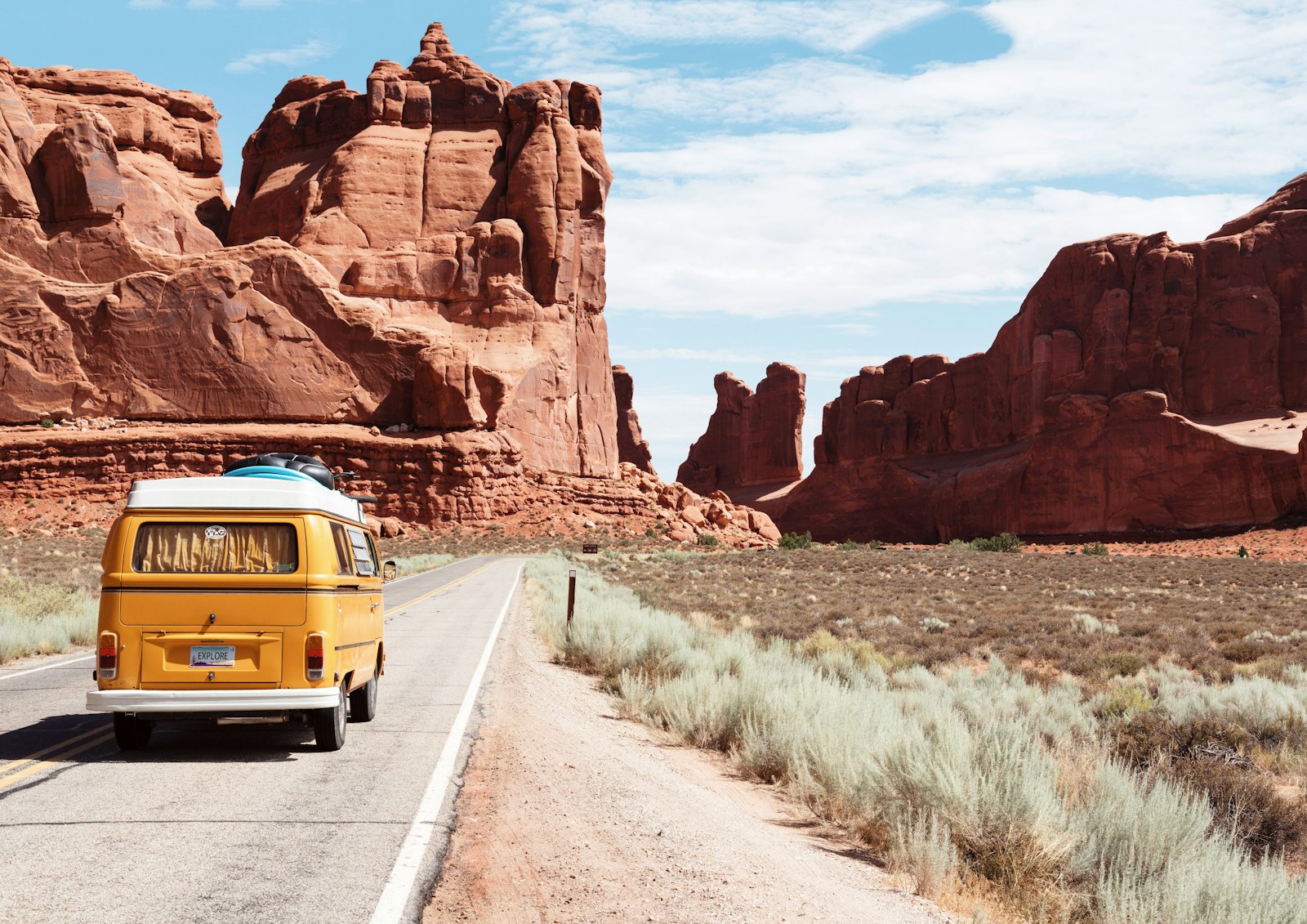
A curated, practical guide to the world's most rewarding scenic drives — covering iconic routes on every continent, how to prepare your vehicle and paperwork, and the insider habits that separate a memorable road trip from a stressful one.
There is a particular freedom that belongs only to the open road. No departure gates, no boarding queues — just a map, a full tank, and a horizon that keeps receding as you chase it. The world's great scenic drives are more than pretty backdrops; they are journeys with their own rhythms, demanding genuine preparation and rewarding genuine curiosity. This guide is designed to help every level of traveler — from first-time road-trippers to seasoned overlanders — plan, prepare, and fully enjoy driving routes that rank among the most spectacular on earth.
What Makes a Drive "Scenic"?
The word gets used loosely in tourism marketing, but a truly scenic drive typically combines several qualities: sustained visual variety (coastline giving way to forest, or desert opening into canyon), accessible stopping points that reward exploration on foot, manageable road conditions for the average rental vehicle, and a practical length that makes the journey itself the destination rather than a chore.
The routes highlighted below are selected on those criteria. None requires a specialist expedition vehicle unless noted, and all can realistically be completed by travelers with a standard driving license and a well-prepared itinerary.
Iconic Routes in North America
Pacific Coast Highway, California, USA
Running along California's coast — most dramatically along the Big Sur stretch of Highway 1 — this route delivers ocean cliffs, redwood groves, and historic bridges within a few hours' drive. The road hugs terrain that can shift without warning, with tight curves, occasional rockfall zones, and sections prone to seasonal closure after heavy rain. Check Caltrans road conditions before departure, not just the day before but on the morning you plan to drive.
Icefields Parkway, Alberta, Canada
Stretching roughly 230 kilometres between Lake Louise and Jasper through the Canadian Rockies, the Icefields Parkway (Highway 93) passes glaciers, turquoise lakes, and wildlife corridors shared with elk, bears, and mountain goats. The road is paved and well-maintained but can be affected by snow closures at any time outside midsummer. Wildlife encounters require patience and distance — stopping abruptly on the highway is both dangerous and, in many cases, illegal.
Going-to-the-Sun Road, Montana, USA
This 80-kilometre road bisecting Glacier National Park crosses the Continental Divide at Logan Pass and regularly ranks among the engineering marvels of American road-building. Vehicle size restrictions apply — trailers and large RVs are prohibited on portions of the route. The road typically opens in late spring and closes in autumn; confirm current status with the National Park Service before planning around it.
Europe's Most Celebrated Routes
Amalfi Coast Road, Italy
The SS163 linking Positano, Amalfi, and Ravello is visually stunning and logistically demanding. The road is genuinely narrow — passing a coach on a blind curve above the Tyrrhenian Sea is an experience that focuses the mind. Many experienced travelers choose to drive this route early in the morning (before tourist traffic builds) or consider basing themselves in one town and using local ferries and buses between stops. Parking is scarce and expensive in summer.
Atlantic Ocean Road, Norway
The Atlanterhavsvegen connects a series of small islands and skerries in Møre og Romsdal via a series of dramatic bridges. At roughly eight kilometres in total, it is a short drive, but the surrounding scenery — storm-lashed in winter, luminous in the long days of summer — justifies building an entire itinerary around it. The surrounding Romsdal and Nordmøre regions offer days of additional driving.
Transfăgărășan Highway, Romania
This high-altitude military road crossing the Carpathian Mountains reaches over 2,000 metres at its peak and is only fully open for a few months each summer. The switchbacks and tunnels make it a driver's road in the truest sense. Fuel up before ascending — services are limited at altitude — and check opening dates with Romanian road authorities, as the snow gates close the highest sections well into spring and reopen only when conditions allow.
Africa and the Middle East
Garden Route, South Africa
Running along South Africa's southern coast from Mossel Bay to Storms River, the Garden Route passes lagoons, forests, and beach towns in roughly 300 kilometres. The N2 highway is the primary artery, well-paved and straightforward to drive. Side roads into the Tsitsikamma forest or out to Cape St. Francis add texture. Travelers should consult their government's current travel advisories and take standard precautions around vehicle security.
Musandam Peninsula Coastal Drive, Oman
The fjord-like khors (inlets) of Oman's Musandam Peninsula frame one of the Arabian Peninsula's most dramatic coastlines. Roads through the region are improving but some sections remain unpaved; a 4WD vehicle is strongly advisable. Note that Musandam is an exclave — travelers crossing from the UAE need to carry appropriate documents and cross through official border points. Check current visa requirements at official government sources or via TravelerPulse.pro's /visas section before planning this route.
Asia-Pacific Highlights
Milford Road, New Zealand
Highway 94 between Te Anau and Milford Sound passes through Fiordland National Park, one of the wettest places on earth, traversing the Homer Tunnel and following river valleys flanked by near-vertical mountain walls. Avalanche risk in winter means the road closes regularly; the New Zealand Transport Agency publishes real-time alerts. Driving back the same day is entirely practical, but booking accommodation at Milford Sound allows the experience of the valley after the day-tour coaches have left.
Karakoram Highway, Pakistan/China
One of the highest paved international roads in the world, the KKH follows ancient Silk Road corridors through the Karakoram, Hindu Kush, and Himalayan ranges. This is not a casual route — altitude sickness, landslides, border formalities, and remote sections without reliable fuel all demand thorough preparation. Self-drive in some sections may require permits; organized tours with experienced local drivers are a sensible option for most travelers. Government travel advisories for both Pakistan and the relevant Chinese regions should be consulted in full.
Great Ocean Road, Australia
Victoria's Great Ocean Road runs roughly 240 kilometres from Torquay to Allansford, passing the Twelve Apostles limestone stacks, rainforest hinterland, and surf beaches. Remember that Australians drive on the left — visitors from right-hand traffic countries should allow extra adjustment time, particularly on curves. The road can be driven in a long day but rewards a two- or three-day itinerary that allows for coastal walks and detours inland.
South America
Carretera Austral, Chile
Patagonia's Route 7 stretches over 1,200 kilometres through Chilean Patagonia, much of it unpaved, passing volcanoes, glaciers, and fjords accessible in no other way by road. Rental car companies often restrict vehicles from crossing certain sections or from taking cars onto ferries — read the contract carefully before booking. Fuel stations can be over 100 kilometres apart; carry a spare jerry can when leaving larger towns. This is a route for travelers who embrace adventure over convenience.
Practical Preparation: What Every Driver Should Do
- Research road conditions before departure, not just in planning. Many routes listed here close seasonally or after weather events. Local transport authority websites are the most reliable source.
- Understand your license validity. An International Driving Permit (IDP) is required in some countries and strongly recommended in others. Requirements vary by nationality and destination — check official sources.
- Check rental contract restrictions. Many rental agreements prohibit taking vehicles on unpaved roads, across borders, or onto ferries. Violations can invalidate insurance cover.
- Carry physical maps or downloaded offline navigation. Cell coverage is absent for long stretches on most of the routes above.
- Fuel discipline matters. On remote routes, fill the tank whenever you have the opportunity, not when you think you need to.
- Understand local driving laws. Speed limits, alcohol limits, mandatory equipment (warning triangles, reflective vests, spare bulbs), and phone-use rules vary significantly between countries.
- Build in rest days. Driving fatigue is underestimated on scenic routes precisely because the visual stimulus makes you feel more alert than you are. Plan shorter driving days than you think necessary.
Insurance, Permits, and Border Crossings
Cross-border driving adds a layer of complexity that deserves careful attention. Vehicle insurance valid in one country is often not automatically valid in another — rental companies may require advance notice and additional fees, while owners driving personal vehicles need to verify coverage with their insurer. Some countries require specific documentation (a Green Card in parts of Europe, for example) to prove coverage at border crossings.
National parks and some protected road corridors charge entry fees or require advance permits with limited daily allocations. Going-to-the-Sun Road in Glacier National Park, for instance, has used a vehicle reservation system during peak season in recent years. Always check current requirements with the managing authority well before your travel date.
Keeping Your Journey Organized
A road trip spanning multiple countries, border crossings, and accommodation types generates a significant amount of documentation. Using TravelerPulse.pro's My Travel Hub to track itinerary segments, key contacts, permit numbers, and insurance details in one place keeps critical information accessible, including offline, when you most need it.
Frequently Asked Questions
Do I need an International Driving Permit for scenic drives abroad?
It depends on your nationality and destination country. Many countries accept a foreign license for short-term visitors; others require an IDP in addition to your home license. The IDP itself is issued by authorized motoring associations in your home country and is simply a standardized translation — it is not a standalone license. Check the requirements for every country on your route well in advance.
Is it safe to drive a standard rental car on unpaved sections?
Many scenic drives include well-maintained gravel roads that a standard car handles without difficulty at reduced speeds. The caution is twofold: first, rental contracts may prohibit it regardless of road quality; second, tires and suspension on economy rentals are not designed for corrugated or rocky tracks. A 4WD or high-clearance vehicle is a genuine requirement on routes like the Carretera Austral or Musandam Peninsula. Match the vehicle to the actual road, not the optimistic route description.
What is the best time of year to tackle high-altitude or high-latitude scenic drives?
Most mountain and polar-region routes have a genuine open season — typically midsummer — outside of which sections are either closed by snow gates or hazardous without specialist equipment. In the Southern Hemisphere, the summer window falls between December and February. Research the specific route's opening dates from the managing authority or local transport department, and build buffer days into your itinerary in case of weather-related delays at either end of the season.
How do I find real-time road condition updates while traveling?
National transport authority websites are the primary source; many publish live status maps. Apps from local mapping services often integrate real-time closures. In popular parks and on well-traveled routes, visitor centers at the route entrance can provide the most current on-the-ground information. Joining regional road-trip forums and Facebook groups before departure is a practical way to get traveler-sourced updates, particularly for remote routes.
Conclusion
The world's great scenic drives share a common quality: they put the traveler in direct contact with landscape that resists compression into a highlight reel. You cannot scroll past a glacier at Logan Pass or fast-forward through the silence of Chilean Patagonia at dawn. The preparation — permits, insurance, fuel discipline, offline maps — is unglamorous, but it is precisely what allows the drive itself to feel effortless. Choose your route, do the groundwork, and then let the road do the rest.




