
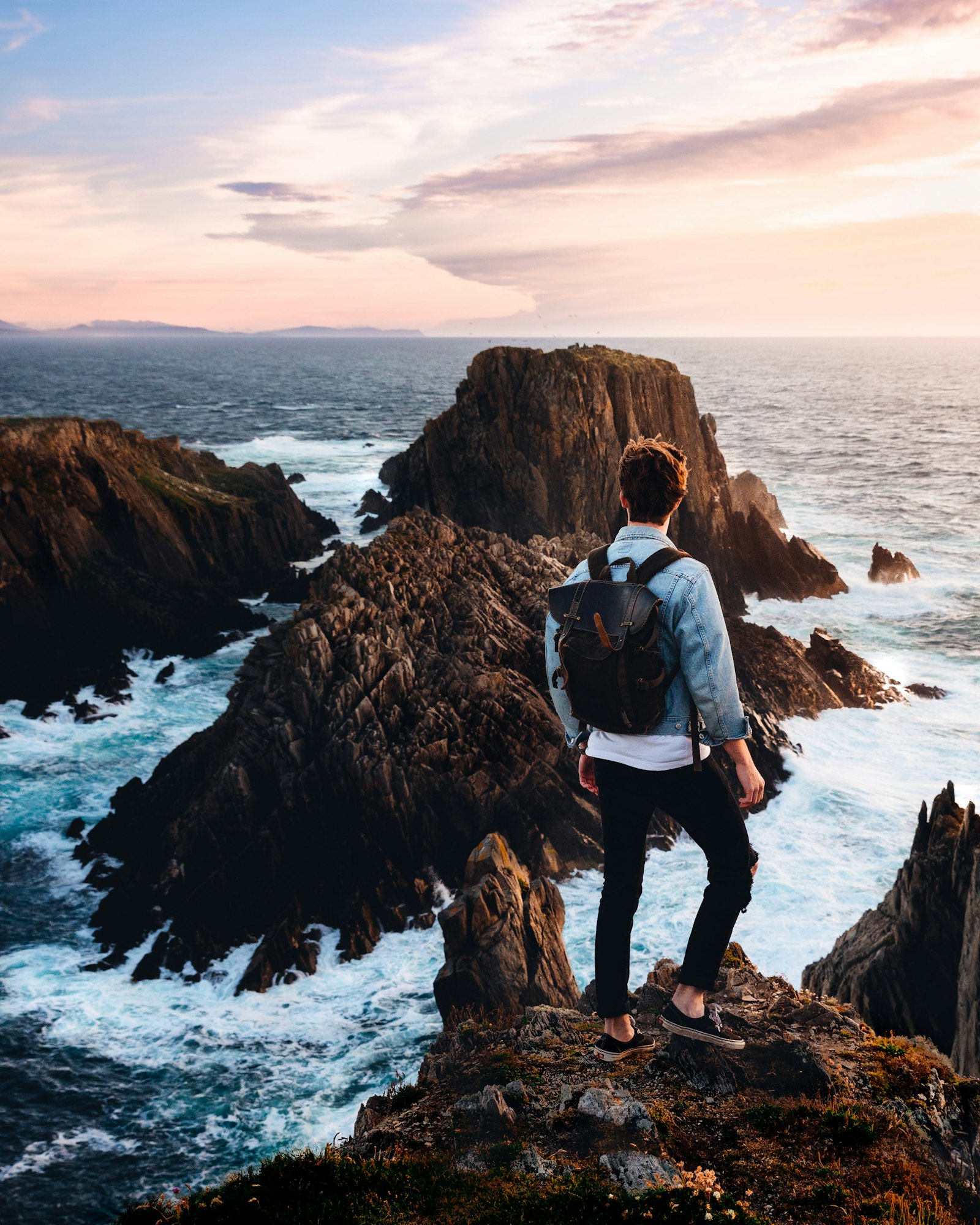
Solo travel puts you entirely in charge of your itinerary, your pace, and your experience — and with the right preparation, it can be one of the most fulfilling ways to explore the world.
More people than ever are choosing to travel alone, whether for a long weekend city break, a multi-week backpacking adventure, or an extended trip abroad. Solo travel demands more self-reliance than group travel, but it also delivers something group travel rarely can: complete freedom. You eat when you want, change plans without negotiating, and meet people on your own terms. This guide walks you through every stage of the journey, from the first planning decision to getting home safely.
Choosing Your First Solo Destination
If you are new to solo travel, the destination matters more than it will once you have built experience. A few practical filters help narrow the choice:
- Language: Destinations where English is widely spoken — or where you already speak the local language — reduce friction enormously for a first trip.
- Infrastructure: Countries with reliable public transport, clear signage, and established tourist networks are more forgiving when plans go sideways.
- Solo traveler density: Popular backpacker trails and well-touristed cities tend to have hostels, group tours, and traveler communities built around exactly your situation.
- Safety profile: Check your government's official travel advisory page for an objective risk assessment. Avoid making decisions based on reputation alone — some places with unfamiliar reputations are extremely safe; others are not.
Once you have one or two solo trips under your belt, your comfort with unfamiliar or more complex destinations grows quickly.
Visas, Entry Requirements, and Documentation
Solo travelers carry no backup if a document is missing at the border. Get this right before you leave. Check visa requirements through your government's official foreign affairs or passport services website, and verify entry rules directly with the destination country's embassy or immigration authority. Requirements change — do not rely on forums or last year's blog post.
Carry both digital and physical copies of your passport photo page, visa, travel insurance policy, accommodation confirmations, and emergency contacts. Store digital copies in a secure cloud folder you can access from any device. The My Travel Hub on TravelerPulse.pro is a practical place to keep your itinerary organized and accessible throughout your trip.
Planning Your Itinerary — Structured vs. Flexible
One of solo travel's great advantages is that you choose how tightly to plan. Both extremes have merit:
- Structured itineraries suit travelers who dislike uncertainty, have limited time, or are visiting a destination with high-demand attractions that need advance booking. Book the first night's accommodation before you land — at minimum.
- Flexible itineraries work well for longer trips, budget travelers, and those who want to follow recommendations from people they meet on the road. Leave gaps deliberately.
Most experienced solo travelers settle on a middle path: anchor points (first and last nights booked, key transport confirmed) with breathing room in between.
Accommodation Choices for Solo Travelers
Accommodation is where solo travelers often pay a tangible premium — most hotels and rental properties price per room, not per person. Practical options:
- Hostels: Dormitory beds are the most cost-effective option and the single best environment for meeting other travelers. Many hostels also offer private rooms at rates below hotels.
- Guesthouses and B&Bs: Often owner-run, which can mean more personal attention, local knowledge, and a safer-feeling environment than a large anonymous hotel.
- Home-sharing platforms: Can offer good value; read reviews carefully and confirm host communication before booking.
- Hotels with social spaces: Lobby bars, rooftop terraces, and common dining areas give solo travelers organic opportunities to connect without forcing it.
Prioritize accommodation in walkable, well-lit neighborhoods, especially for your first night when you are still orienting yourself.
Safety: Practical, Not Paranoid
Solo travel safety is about awareness and preparation, not fear. The following habits reduce risk meaningfully:
- Share your itinerary with at least one person at home and check in regularly.
- Keep your phone charged. Carry a portable power bank as standard kit.
- Use licensed, app-based, or hotel-arranged taxis rather than unmarked vehicles.
- Trust your instincts. If a situation, person, or location feels wrong, leave without explaining yourself.
- Keep valuables distributed — don't carry your passport, all your cash, and your cards in one bag or pocket.
- Know the local emergency number before you need it.
- Drink responsibly. Intoxication dramatically increases vulnerability in unfamiliar environments.
- Be cautious about how much detail you share with strangers about where you are staying or traveling alone.
Safety considerations differ by gender, age, and destination. Travelers — particularly women traveling solo — often find it useful to read destination-specific accounts from travelers with similar profiles before departing.
Managing Money on Your Own
With no travel companion to split costs, budgeting discipline matters more. Key principles:
- Carry more than one payment method: a primary debit or credit card, a backup card, and a small amount of local cash.
- Notify your bank of travel dates and destinations to prevent fraud blocks.
- Use cards with low or no foreign transaction fees where possible.
- The "single supplement" — the extra cost solo travelers pay for a private room — is real and unavoidable in some contexts. Factor it into your budget honestly.
- Group tours and shared experiences (cooking classes, day trips, hostel excursions) often cost the same per person whether you are solo or not — a natural budget equalizer.
Travel Insurance: Not Optional
Solo travelers have no companion to advocate for them in a medical emergency or help navigate a crisis. Travel insurance is not optional — it is infrastructure. At minimum, ensure your policy covers:
- Emergency medical treatment and hospitalization
- Medical evacuation or repatriation
- Trip cancellation or interruption
- Lost, stolen, or delayed baggage
Read the policy exclusions carefully. Coverage for adventure activities, pre-existing conditions, and high-value electronics varies widely between providers.
Getting Around: Transport as a Solo Traveler
Solo travelers are often more agile than groups — easier to get a single seat on a train, a last-minute bus ticket, or a standby flight. Lean into that advantage. Tips:
- Download offline maps before you arrive — navigation without internet is a critical fallback.
- Airport pages on TravelerPulse.pro list terminal layouts, transport connections, and dining options, which helps you orient quickly after a long flight.
- Trains and buses in many regions are considerably cheaper than flying once you factor in airport transit time and check-in requirements.
- Overnight transport (sleeper trains, overnight buses) saves a night's accommodation cost and is widely used by experienced solo travelers.
Meeting People and Avoiding Loneliness
Loneliness is the part of solo travel that promotional content ignores. It is real, it is normal, and it is manageable with the right approach.
- Stay in social accommodation: Hostel common rooms and communal kitchens generate conversation naturally.
- Join group activities: Free walking tours, cooking classes, language exchanges, and day trips put you alongside like-minded travelers without any forced networking.
- Use traveler community apps and platforms to arrange meetups with people in the same city. Many cities have active expat and traveler social groups.
- Eat at the bar: Sitting at a counter or bar rather than a table for one makes conversation with staff and other diners far more likely.
- Be patient: Not every day will feel socially rich. Some of the most memorable solo travel moments come from solitary experiences — a quiet museum, a long walk, sitting in a market watching a city move.
Packing for One
Solo travelers carry their own bags — always. This single fact should govern every packing decision. Overpack and you pay for it physically at every bus station, hostel staircase, and cobblestone street.
- Aim for a bag you can carry comfortably for 20 minutes of walking without strain.
- Choose a carry-on-sized bag where your itinerary allows — it eliminates checked luggage wait times and lost bag risk.
- Pack clothing that can be layered and hand-washed. Fewer items, more versatility.
- Bring a small daypack for sightseeing and short trips away from your main accommodation.
Digital Safety and Connectivity
Staying connected is both a safety measure and a convenience. Before departing:
- Research whether an international roaming plan, a local SIM, or an eSIM is most practical for your destination.
- Use a VPN on public Wi-Fi networks, particularly when accessing banking or personal accounts.
- Back up photos regularly to cloud storage — losing a phone should not mean losing a trip's worth of memories.
- Keep a note of important numbers (bank, insurance, embassy) written down and stored separately from your phone.
Frequently Asked Questions
Is solo travel safe?
For the vast majority of travelers, solo travel is safe when approached with preparation and reasonable awareness. Risk varies by destination, traveler profile, and behavior. Always consult your government's official travel advisory before booking, purchase comprehensive travel insurance, and apply the common-sense safety habits outlined in this guide.
How do I handle eating alone in restaurants?
Eating alone is uncomfortable mainly the first time. In practice, solo dining is completely normal in most parts of the world. Sitting at a bar, counter, or communal table is easier socially. Bring a book, journal, or phone if you want something to do — or simply observe. Many solo travelers find it one of the pleasures of the lifestyle.
What should I do if something goes wrong?
Have a clear action plan before you travel: know your travel insurance emergency contact number, the nearest embassy or consulate address, and the local emergency services number. If you are in immediate danger, contact local emergency services first. For non-emergency problems — theft, illness, missed connections — your travel insurance provider's 24-hour line is the next call.
How much does solo travel cost compared to traveling with others?
Solo travel typically costs more per person for accommodation due to the single supplement, but you have full control over the budget in every other category. Many solo travelers offset accommodation costs by choosing hostels or home-sharing options, using overnight transport, and eating street food or self-catering. Overall costs depend almost entirely on the choices you make.
Can I join tours or group activities even as a solo traveler?
Absolutely — and it is one of the best strategies solo travelers use. Most tours, day trips, and activity bookings are priced per person regardless of group size. Joining a group tour is also one of the most natural ways to meet other travelers and can actually make solo travel feel less solitary during the moments you want company.
The Bottom Line
Solo travel asks more of you than traveling with others — more planning, more self-reliance, more willingness to sit with discomfort — and it gives back proportionally. The confidence it builds, the connections it creates, and the freedom it offers are difficult to replicate any other way. Start with a destination that suits your current experience level, prepare thoroughly, stay aware, and give yourself permission to adapt as you go. Most people who try solo travel once find a way to do it again.





