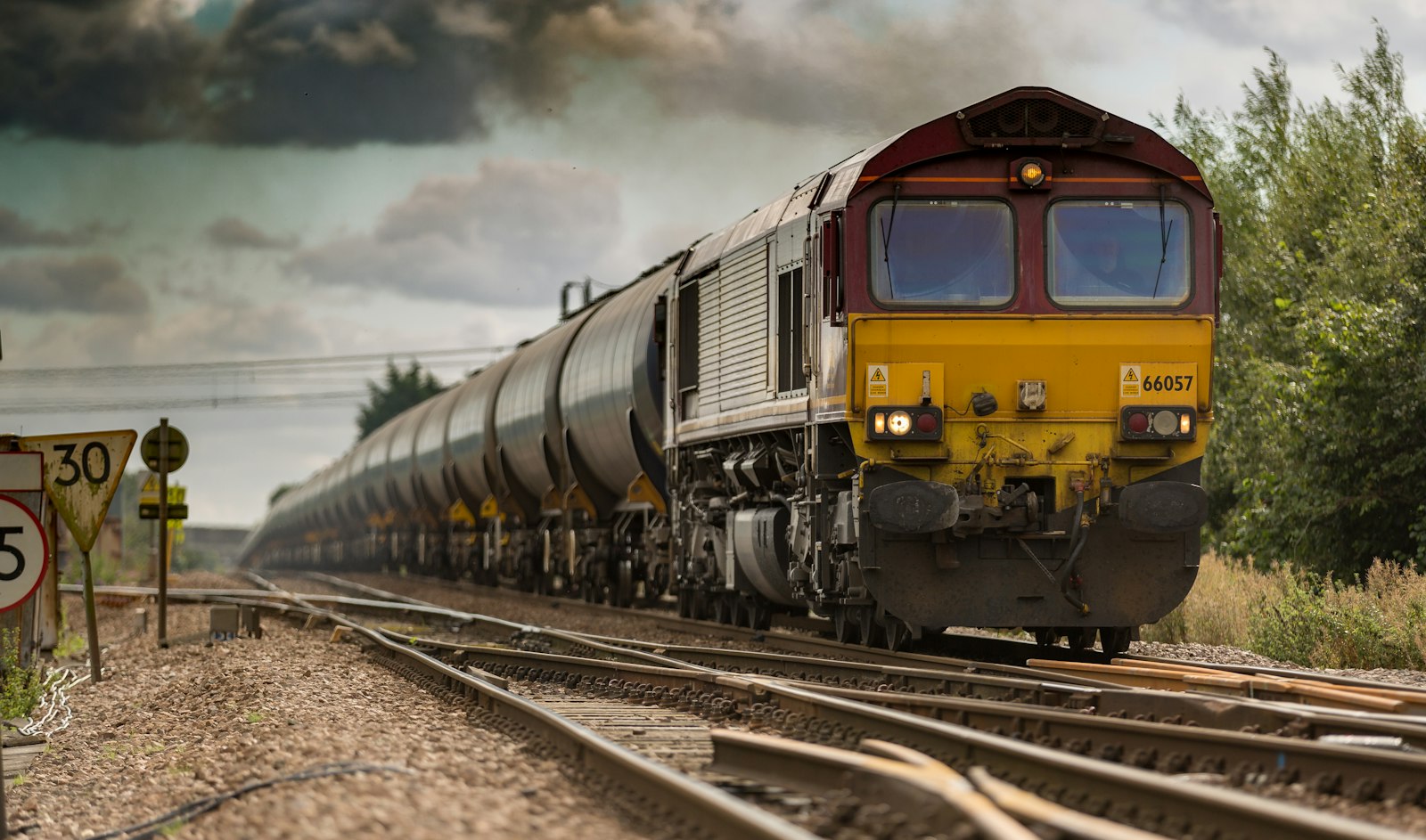
Train travel rewards light packers and penalizes overstuffers — understanding how luggage works on rail systems before you board makes the difference between a relaxed journey and a stressful scramble.
Unlike air travel, where baggage rules are printed on every booking confirmation, train luggage policies are surprisingly inconsistent. A commuter rail line, a high-speed intercity service, and a scenic overnight sleeper train can all operate under completely different rules — sometimes within the same country. Add in varying station layouts, narrow train aisles, and luggage racks that fill up fast, and it becomes clear why understanding your options ahead of time matters.
This guide covers everything: what you can bring, where it goes on the train, how to handle large or unusual items, and how to make your rail journey smoother from platform to platform.
How Train Luggage Policies Differ From Airlines
The first thing most travelers discover is that trains rarely have the same rigid weight-and-measurement ticketing system that airlines use. On many intercity and regional services, passengers are simply expected to manage whatever they can carry themselves and store in the available space. There is no baggage belt, no check-in agent, and often no one to enforce a size limit.
That said, this freedom has real limits. Overcrowded luggage racks, blocked aisles, and fellow passengers are the enforcers. Bringing a bag you cannot lift overhead or squeeze through a doorway creates problems for everyone, including you.
Some long-distance and high-speed rail operators do publish explicit size and weight guidelines. Many European and Asian high-speed networks, for instance, recommend bags that fit within specific dimensions. A handful of operators offer formal baggage registration or forwarding services. Always check your specific operator's website before travel — policies vary widely.
Standard Carry-On Luggage on Trains
For most rail journeys, the practical standard is similar to airline carry-on sizing: a rolling bag or backpack that fits in an overhead rack or under the seat in front of you. As a general rule of thumb:
- A carry-on-sized rolling suitcase (typically around 55 cm × 35 cm × 25 cm or roughly 22 inches tall) fits most overhead racks on modern intercity trains.
- A mid-sized backpack or duffel can go overhead or between your legs.
- A small personal item — a daypack, laptop bag, or handbag — fits under the seat.
Older rolling stock, regional trains, and narrow-gauge scenic railways often have smaller overhead bins or none at all. If you are traveling on heritage railways or tight regional services, a softer bag that compresses and reshapes is far more practical than a rigid spinner suitcase.
Large Bags and Checked Baggage
Full-sized checked suitcases — the 27-inch or 29-inch bags most people check at airports — are where train travel gets complicated. On many train types, these bags simply do not fit in overhead racks and must go in:
- End-of-carriage luggage areas: Dedicated storage vestibules near the doors, common on European intercity and high-speed trains. Space is first-come, first-served and can fill up quickly.
- Luggage compartments in sleeper cars: Overnight trains often have under-berth storage or compartment-specific racks designed for larger bags.
- Designated luggage cars: Some long-distance services, particularly in Europe and parts of Asia, operate a separate luggage car. Bags may need to be registered or tagged — check in advance.
If your operator offers a formal baggage forwarding or registered baggage service, it allows you to send bags ahead to your destination station, often for a fee. This can be genuinely liberating on multi-city rail trips. Availability varies by country and operator; book early, as capacity is limited.
Overnight and Sleeper Train Considerations
Sleeper trains deserve special attention because the logistics are different. You will be living with your luggage in a small compartment or couchette for many hours.
- Under-berth storage on many sleeper cars fits one medium-to-large suitcase per passenger. Measure the opening before assuming your bag will slide underneath.
- Couchette compartments (open bunk arrangements) have less privacy and less secure storage than private sleeper cabins. Use a luggage lock and keep valuables with you.
- Pack a small overnight bag with toiletries, a change of clothes, and anything you need during the journey. You do not want to dig through a large suitcase at 2 a.m. in a dark couchette.
- Many overnight services have attendants or conductors who can advise on storage — do not hesitate to ask when you board.
High-Speed Rail Specifics
High-speed trains — services like the Shinkansen in Japan, TGV in France, Eurostar between the UK and mainland Europe, or high-speed services in China — tend to have stricter informal expectations even when formal rules are light.
Boarding and alighting is fast. Platforms are busy. Overhead racks fill within minutes of boarding. On some of these services, large bags in the aisle or vestibule can cause genuine safety and operational problems. Many operators publish recommended maximum dimensions; treat these as firm guidance even when they are not strictly enforced at the gate.
For Eurostar specifically, as a cross-border service, there are security checks and published baggage guidelines that more closely resemble airline policy. Check the official Eurostar website before travel.
Luggage Storage at Train Stations
Major rail stations around the world offer left-luggage or luggage storage facilities, which are genuinely useful when you arrive early, have a long layover, or want to explore a city without dragging bags around.
- Staffed left-luggage counters are common at larger stations. You check bags in, receive a ticket, and collect later. Fees are typically per bag per day or part-day.
- Self-service lockers are available at many stations. Sizes vary — measure your bag or bring a flexible bag. Payment is usually by coin, card, or app depending on the country.
- Third-party luggage storage services have expanded into many cities, often partnering with shops, hotels, and hostels near stations. Apps can help you locate and book these.
Availability, hours, and pricing vary enormously by location. Check the station's official website or the TravelerPulse.pro airport and station pages, which list practical amenities for major travel hubs, before you arrive.
Oversized, Unusual, and Sporting Equipment
Bicycles, skis, surfboards, musical instruments, and other oversized items require advance planning on almost every rail network.
- Bicycles: Many regional and intercity trains carry bicycles, but often require a separate bike ticket, a reservation, or both. Space is limited. Some services only accept fully disassembled bikes in bags. Policies differ dramatically by country and operator — check well ahead.
- Skis and ski bags: Long ski bags often fit in end-of-carriage luggage areas. Some mountain rail routes are well-equipped for this; others are not.
- Musical instruments: Small instruments generally travel as carry-on. Larger instruments — cellos, guitars in hard cases — may need their own seat purchased, or may need to go in a luggage area. Check with your operator.
- Strollers and pushchairs: Most trains accommodate folded strollers, though busy services may have limited space. Many operators allow one unfolded stroller in the wheelchair/priority area.
Practical Packing Strategies for Rail Travel
Experienced rail travelers consistently pack lighter than they think they need to. The freedom of moving between stations, climbing stairs, and switching platforms without checking bags in or waiting at carousels is one of rail travel's great pleasures — but only if your bags are manageable.
- Aim for one bag per person — a carry-on-sized roller or a 40–50 liter backpack covers most multi-week trips with careful packing.
- Use packing cubes to compress clothing and keep bags organized when digging through them on the move.
- Wear your heaviest items — boots, a heavy jacket — while traveling to keep bag weight down.
- Consider a personal item bag for daily essentials so your main bag goes overhead and you are not rummaging through it mid-journey.
- Soft-sided bags and backpacks adapt to irregular storage spaces far better than rigid suitcases.
If you are planning a complex multi-country rail trip, use the My Travel Hub on TravelerPulse.pro to organize your itinerary, operator links, and luggage notes in one place.
Security, Safety, and Keeping Valuables Secure
Unlike airports, trains have no centralized security screening. This creates convenience but also means you are responsible for your belongings at all times.
- Keep passports, cash, cards, and electronics in a bag that stays with you — never in overhead storage or luggage vestibules on longer journeys.
- Use a small luggage lock on zippers for bags stored away from your seat.
- On overnight trains especially, be aware of your surroundings when boarding at late-night stops.
- In busy stations, be alert to distraction-based theft. Keep bags in front of you or between your feet in waiting areas.
Cross-Border Train Travel and Customs
International rail routes — particularly within the European Schengen Area, but also on cross-border services in Asia and elsewhere — can involve passport checks and customs inspections on board or at border stations.
Duty-free allowances, restricted items, and customs rules apply just as they do at international airports. The fact that you are on a train does not exempt you from any country's import or export regulations. For current rules, always consult the official customs and border agencies of the countries you are traveling through. The TravelerPulse.pro /visas section can point you toward official sources for entry requirements by destination.
Frequently Asked Questions
Is there a weight limit for luggage on trains?
Many train operators do not enforce strict weight limits the way airlines do, but most publish recommended guidelines. The practical limit is what you can safely lift overhead or carry without assistance, and what fits in available storage. Some services — particularly those offering registered or checked baggage — do apply formal weight limits. Check your operator's website for specifics.
Can I bring a full-sized suitcase on a train?
It depends on the service. On many intercity and high-speed trains, large suitcases can go in end-of-carriage luggage areas. On crowded regional or commuter services, a large suitcase is impractical and inconsiderate to other passengers. Always consider how you will manage your bag on stairs, through narrow doors, and in confined spaces.
What should I do if all the luggage racks are full?
Board as early as possible to secure overhead or luggage-area space. If racks are full, keep your bag at your feet or in the vestibule area near the doors — never block the aisle. On popular routes, consider reserving seats in carriages known to have more luggage space, or travel at off-peak times.
Can I take my bicycle on a train?
Many rail operators accept bicycles, but policies vary enormously — some require advance booking, a separate bike ticket, or full disassembly. Check directly with each operator on your route well before travel, particularly during peak seasons when bike spaces fill quickly.
Are train station lockers safe?
Staffed left-luggage facilities and lockers at major stations are generally reliable, but never store passports, medications, or irreplaceable items in them. Keep the claim ticket or access code secure, and note the facility's operating hours — many close overnight.
Conclusion
Train travel with luggage is fundamentally about preparation and adaptability. The more you know about your specific route, operator, and train type ahead of time, the more confidently you can pack and plan. As a general principle: bring less than you think you need, choose bags that work for real-world railway environments rather than just airport conveyor belts, and always know where your storage options are before you step on board. With the right preparation, luggage becomes a non-issue — and the journey itself takes center stage.



