
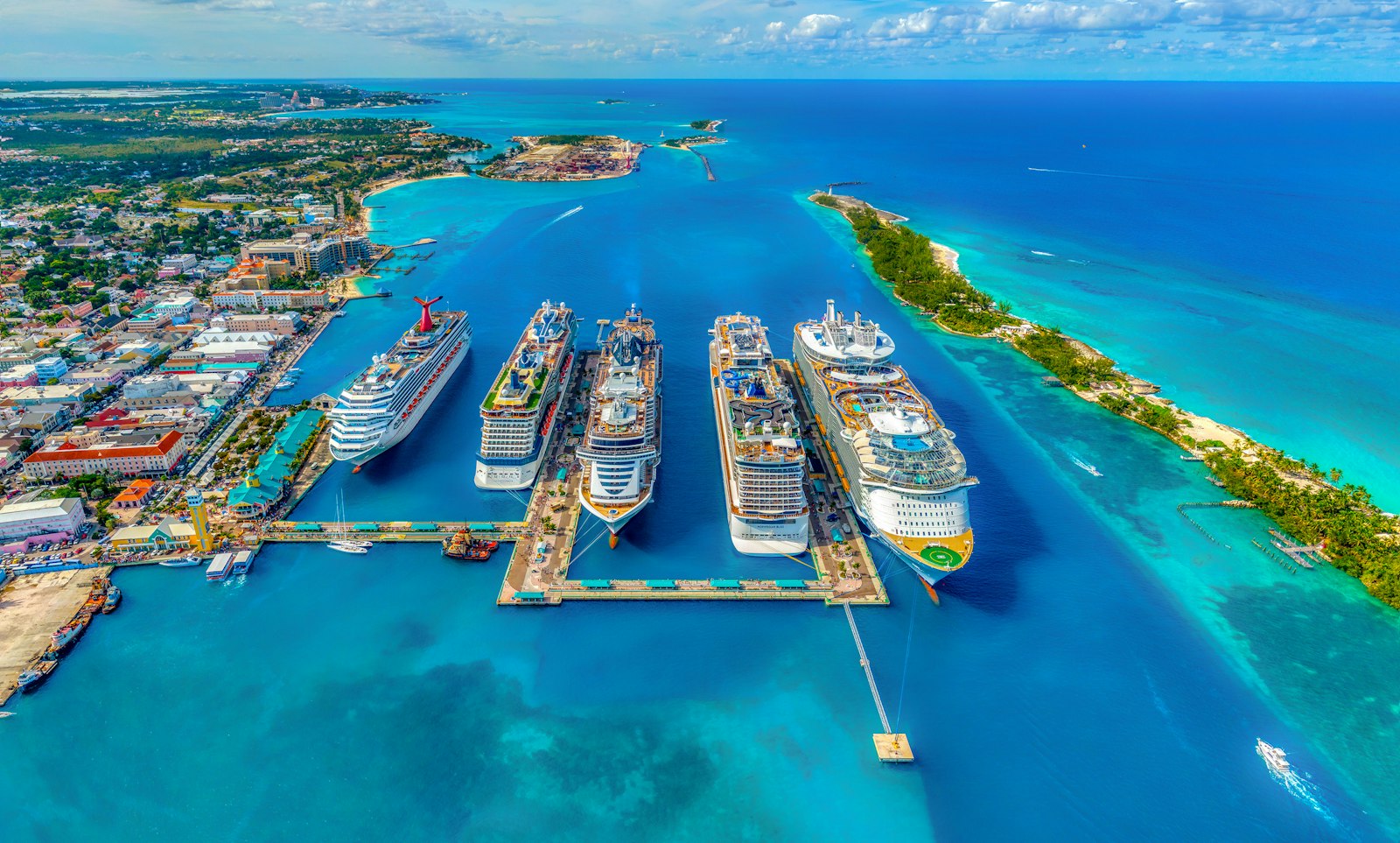
Water taxis are on-demand or scheduled small-boat services that move passengers across harbors, rivers, canals, and coastal waters — a practical and often memorable alternative to road-based transport in cities and destinations where water defines the landscape.
What Is a Water Taxi?
A water taxi operates much like a land taxi or rideshare: you board a small vessel, travel to a waterfront destination, and pay a fare. The key difference from a ferry is flexibility. Ferries run fixed routes on fixed schedules; water taxis are typically on-demand, point-to-point, or operate on short loops with frequent departures.
Vessels range widely — from open motorboats seating four or five passengers to enclosed launches carrying a few dozen. In Venice you'll find sleek water limousines; in Bangkok, longtail boats with deafeningly loud converted truck engines; in New York Harbor, modern commuter launches. The common thread is direct, waterborne passenger transport on a relatively small craft.
Where Water Taxis Are Common
Water taxis thrive wherever geography puts water between travelers and their destinations:
- Canal and river cities — Venice, Amsterdam, Bangkok, and Bruges rely on water transport as a practical backbone, not just a tourist attraction.
- Harbor cities — Sydney, Hong Kong, Istanbul, and New York operate water taxis to connect waterfront neighborhoods, often faster than driving during peak hours.
- Island destinations — Greek islands, the Florida Keys, the Maldives, and Southeast Asian archipelagos use small boats to bridge gaps between islands that lack road links.
- Cruise ports — When a large cruise ship anchors offshore and cannot dock directly, water taxis (often called tenders) shuttle passengers to and from the pier.
- Resort areas — Coastal resorts in the Caribbean, the Mediterranean, and Southeast Asia frequently offer hotel-operated or private water taxi services between properties, marinas, and beaches.
Types of Water Taxi Services
Public and Commuter Services
Some cities integrate water taxis into their official public transit network. These services run on schedules, accept transit passes or contactless payment, and are priced comparably to buses or metro rides. They are often the most reliable and affordable option for daily movement around a waterfront city.
Private Charter and On-Demand
Private water taxis work exactly like a cab — you request a boat, specify your destination, and negotiate or meter a fare. These are common in tourist-heavy harbors and canal cities. Expect a significant price premium over public services, but also direct routing and departure on your schedule.
Hotel and Resort Shuttles
Many waterfront hotels and overwater resorts operate their own boats between properties, airports built on separate islands, and town centers. These are sometimes complimentary for guests, sometimes charged separately. Confirm the policy when booking your accommodation.
Cruise Ship Tenders
When your ship anchors at a tender port, the vessel itself operates water taxis to shore using its own lifeboats or dedicated tender craft. Shore excursion ticket-holders typically board first; independent travelers queue afterward. Check your daily program for tender schedules and last-return times — missing the final tender is a genuine problem.
How to Find and Book a Water Taxi
Finding a water taxi depends heavily on destination and service type:
- Official transit apps and websites — If a city integrates water taxis into public transport, the city's transit authority website or app is the authoritative source for routes, fares, and schedules.
- Harbor docks and jetties — In many tourist areas, licensed water taxi operators queue at dedicated piers. Look for signage indicating licensed or regulated services, particularly in busy ports.
- Hotel concierge — For resort and island destinations, your hotel's concierge can arrange or recommend reputable operators and often handles booking on your behalf.
- Advance booking platforms — In some destinations, water taxis can be pre-booked through local tour and transport operators or general travel booking sites. This is worth considering for airport transfers in island locations where missing a connection matters.
- Your cruise line's shore desk — For tender ports or shore excursions involving water transfers, the ship's guest services desk can advise on timing and logistics.
You can keep all your water transport bookings and port-day plans organized in My Travel Hub on TravelerPulse.pro, alongside the rest of your trip itinerary.
What to Expect on Board
Water taxis are working vessels, not cruise ships. Manage expectations accordingly:
- Size and seating — Smaller boats may have bench seating or no shelter. On choppy days, exposed seating means getting wet. Enclosed launches are more comfortable but less common in warm-weather destinations.
- Luggage — Most water taxis accommodate carry-on-sized bags, but large suitcases can be challenging on small craft, particularly if passengers are standing or the boat is crowded. Ask ahead if you're traveling with significant baggage.
- Journey time — Short hops across a harbor may take five minutes; inter-island transfers can run an hour or more. Confirm the journey time before boarding, especially when connecting to another service.
- Weather dependency — Water taxis can be delayed, rerouted, or cancelled due to weather or sea conditions. Build buffer time into any schedule where a water transfer is a critical link.
Fares and Payment
Pricing structures vary considerably by destination and operator type:
- Public water taxi services typically charge flat fares by zone or distance, similar to bus pricing.
- Private and charter operators may charge per person, per trip, or by the hour. In tourist areas, fares are sometimes negotiated before boarding — agree on the total price clearly before you get on the boat.
- Payment methods range from cash-only (common on smaller or informal services in developing regions) to card machines and app-based payment in more developed transit systems.
- Tipping customs follow local norms. In many destinations where water taxi operators are running small private businesses, a tip for good service is appreciated but rarely obligatory.
Carry local currency in small denominations if you're heading to a destination where card payment on small boats is unlikely. Asking about fare before boarding prevents disputes on arrival.
Safety Considerations
Water travel carries risks that land transport does not, and travelers should take them seriously:
- Life jackets — Regulations on life jacket provision and use vary by country. On smaller, informal services in some regions, safety equipment may be minimal. If life jackets are available, know where they are. If traveling with children, ensure child-sized jackets are available before boarding.
- Operator licensing — Prefer licensed, regulated operators where possible. In popular tourist ports, unlicensed or informal boat operators may approach travelers. Ask for credentials if you're uncertain, or book through your hotel or a recognized booking channel.
- Vessel condition — Trust your judgment. An overloaded, poorly maintained, or visibly unsafe vessel is a reason to wait for the next boat.
- Weather awareness — Local operators know local waters. If a captain expresses concern about conditions, take it seriously. No shore excursion is worth a risk at sea.
- Personal items — Phones, cameras, and bags are at real risk of going overboard on open boats in rough conditions. Use a waterproof case or dry bag for electronics and valuables.
Water Taxis at Cruise Ports
For cruise travelers, water taxis take on particular importance at tender ports — anchorages where ships cannot dock at a pier. Key practical points:
- Tender tickets are usually distributed at a specific time on embarkation morning; check your ship's daily program the night before.
- Know your ship's all-aboard time and the last scheduled tender departure. These are not the same — the final tender typically departs well before all-aboard.
- Independent shore arrangements, including private water taxis booked locally, are your own responsibility. The ship will not delay departure if you miss the last tender.
- At some ports, private water taxis operate alongside the ship's tenders and can offer faster or more convenient service to specific landing points. Prices and reliability vary — ask other travelers or consult port-specific information on TravelerPulse.pro's airport and port destination pages for local guidance.
Environmental and Local Considerations
Water taxis in sensitive marine environments — coral reef areas, protected lagoons, mangroves — vary widely in their environmental practices. Operators using electric or low-emission vessels are becoming more common in ecologically sensitive destinations. Where you have a choice, choosing an operator with visible environmental practices is a meaningful decision. Avoid operators who approach wildlife or anchor on reef areas.
In many destinations, water taxis are also a livelihood for small operators and local communities. Using locally owned services rather than resort-monopolized transport can be a way to distribute tourism spending more broadly.
Practical Tips for First-Timers
- Arrive at the dock a few minutes early — small boats fill up and may depart once full rather than on a fixed schedule.
- Dress for spray, particularly on open boats in windy conditions. A light waterproof layer is worth carrying in a bag.
- Board and disembark carefully: docks and boat gunwales can be slippery, and the gap between boat and dock can be deceptively wide when there's swell.
- Sit toward the center of the vessel for a more stable and drier ride in choppy water.
- If you are prone to motion sickness, take appropriate precautions before boarding, even for short journeys — a small boat in a harbor chop can be surprisingly uncomfortable.
- Confirm your landing point. In some destinations, multiple piers or beaches serve different neighborhoods, and boarding the wrong boat adds time and cost.
Frequently Asked Questions
Do I need to book a water taxi in advance?
For most public and tourist-area water taxis, advance booking is not required — you simply arrive at the dock and board. However, for private charters, airport transfers in remote island destinations, or peak-season travel to popular resort areas, booking ahead is strongly recommended to guarantee availability and avoid being stranded.
Are water taxis safe for children and non-swimmers?
Generally yes, provided the operator is licensed and appropriate safety equipment is available. Child-sized life jackets should be requested before boarding if traveling with young children. On shorter, calm-water routes in sheltered harbors, water taxis are a perfectly ordinary experience for families. On longer or more exposed routes, use your judgment based on conditions and vessel type.
Can I bring luggage on a water taxi?
Carry-on-sized bags are usually fine. Large wheeled suitcases can be difficult on small vessels with limited deck space and awkward boarding conditions. If you're planning to arrive at or depart from a water taxi dock with significant luggage, contact the operator in advance to confirm they can accommodate it, and consider whether an alternative transfer option might be more practical.
What happens if a water taxi is cancelled due to weather?
Policies vary by operator and destination. Public transit systems often have contingency routes or refund procedures. Private operators may reschedule or refund at their discretion. In remote island locations, weather cancellations can mean a wait of hours or even a day — build flexibility into any itinerary where a water transfer is a critical connection, and if travel insurance is relevant to your trip, check whether it covers water transport disruptions.
Conclusion
Water taxis are one of travel's more practical pleasures — efficient, often scenic, and frequently the fastest way across a harbor or between islands. Whether you're tendering ashore from a cruise ship in a remote anchorage, crossing a Bangkok canal, or catching a commuter launch across Sydney Harbour, the basics are the same: know your route, confirm the fare, respect local conditions, and give yourself time. A little preparation turns a water taxi from an uncertainty into a highlight of the journey.





