
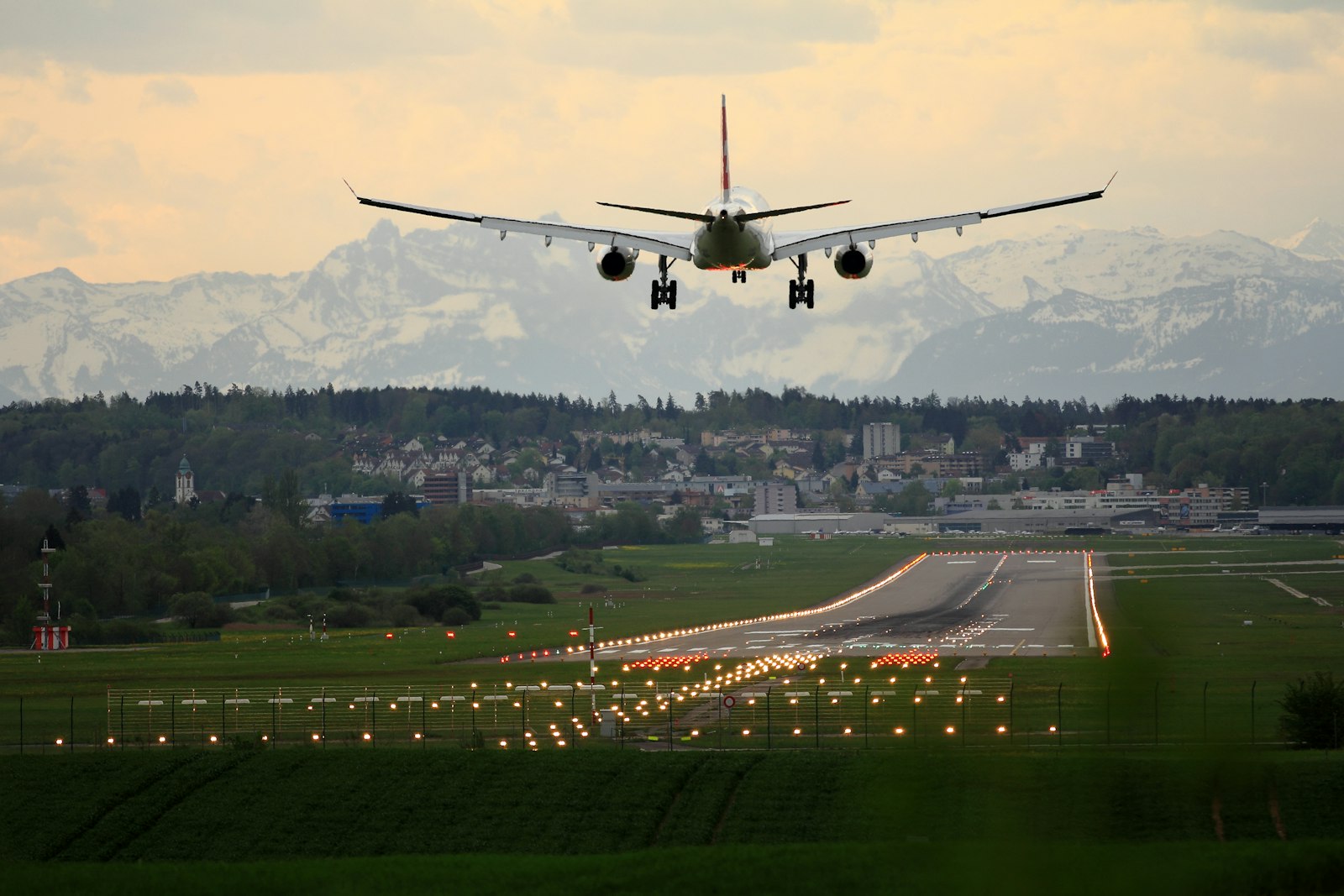
Once little more than a waiting room with a newsstand and a vending machine, the modern airport terminal has been reimagined as a curated marketplace of local restaurants, global brands, and experiences that can make even a tight connection feel worthwhile.
The Terminal Has Changed — Dramatically
If you haven't flown through a major hub recently, you may be surprised by what you find past security. Terminals at airports around the world now house acclaimed local chefs, craft breweries, luxury boutiques, spa services, art installations, and fresh food markets that rival anything in a city center. This shift did not happen overnight, and it was not accidental. It reflects deliberate strategy by airports, concession operators, and retail brands that recognized travelers as a captive, time-rich, and often free-spending audience.
Understanding what is driving this transformation helps you plan smarter — whether you want to eat well on a layover, pick up a meaningful local gift, or simply know where to find something better than a shrink-wrapped sandwich.
How Airports Became Retail Powerhouses
Airports generate revenue from two broad sources: aeronautical fees (airlines and aircraft) and non-aeronautical income (retail, food, parking, advertising). As competition for airline traffic intensified and aeronautical margins tightened, airport operators began investing heavily in the commercial side of the business. A thriving retail and dining program produces substantial revenue that can offset infrastructure costs and, in some cases, reduce fees for airlines — which in turn helps attract more routes.
The result is a genuine incentive for airports to make the landside and airside experience as appealing as possible. Happier, longer-dwelling passengers spend more, and airports that earn a reputation for quality concessions attract travelers who actively choose connecting hubs — or arrive earlier than necessary.
The Rise of Local and Regional Identity
One of the most meaningful shifts in airport retail is the move away from generic national chains toward locally rooted concepts. Many airports now require or strongly encourage concession bids that feature local restaurateurs, regional brewers, and hometown retailers. The thinking is straightforward: a traveler passing through Nashville, New Orleans, or Portland expects — and increasingly demands — a taste of the place, not a carbon-copy food court they could find in any suburb.
This local-first approach benefits travelers in concrete ways:
- You can eat at a celebrated local chef's restaurant even if you never leave the secure zone.
- Regional products — hot sauces, artisan chocolates, locally roasted coffee — make genuinely useful souvenirs.
- The overall quality bar rises when operators compete on authenticity rather than brand recognition alone.
Design and Atmosphere Are Part of the Experience
Modern airport concession spaces are designed with the same care as street-level hospitality venues. High ceilings, natural light, local materials, curated music, and thoughtful seating arrangements all contribute to an atmosphere that encourages travelers to linger rather than bolt to the gate. Some terminals feature outdoor terraces, living-wall gardens, or dedicated quiet zones adjacent to dining areas.
Airport operators commission original artwork, rotating cultural exhibitions, and even live performance spaces. When a terminal gives you something genuinely interesting to look at and experience, the mandatory wait transforms into something closer to optional leisure time.
Technology Is Reshaping How You Order and Pay
The airport dining experience has also been modernized by technology. Mobile ordering apps — sometimes operated by the airport itself, sometimes by individual vendors — let you browse menus, place orders, and pay before you leave the gate area. Your food is ready when you arrive, eliminating the anxiety of a long queue eating into your boarding window.
Self-service kiosks, contactless payment, and digital menu boards have all reduced friction. Some airports have experimented with delivery to gate seats, so you never have to leave your charging spot. Expect these capabilities to expand and vary considerably by airport and concession operator.
Premium and Luxury Retail Has Found a Natural Home
International airports in particular have become significant venues for luxury retail. Duty-free shopping has existed for decades, but the category has expanded well beyond perfume and spirits. High-end fashion, jewelry, electronics, and specialty goods now fill entire terminal wings at many major hubs. For travelers crossing international borders, duty-free allowances can make certain purchases genuinely economical — though it is always worth understanding your home country's customs rules before you buy. For current duty-free allowances and import regulations, consult your government's official customs authority.
Even outside the duty-free zone, premium brands have established airport flagships because the demographics of air travelers — particularly in business and first class — align closely with their target customer. The airport is no longer seen as a compromised retail environment; for some brands, it is a preferred one.
Wellness, Services, and Amenities Beyond Shopping
Retail and dining are only part of the story. Airports have added service categories that would have seemed extraordinary a generation ago:
- Spa and wellness centers offering massages, facials, and sleep pods for long layovers
- Fitness facilities and yoga rooms for travelers who want to move their bodies after hours in a seat
- Medical and pharmacy services for travelers who need prescriptions filled or basic health attention
- Currency exchange and banking services in convenient, well-signed locations
- Children's play areas designed to genuinely engage kids rather than just contain them
- Pet relief areas and, at some airports, dedicated pet-care lounges
These additions reflect a recognition that travelers arrive at airports in very different states — rushing, exhausted, anxious, or with hours to spare — and that a well-designed terminal can serve all of them.
Airport Lounges: No Longer Just for Business Class
The explosion of premium credit cards with lounge access has democratized a category of airport experience once reserved for frequent flyers and business travelers. Independent lounge networks, pay-per-entry lounges, and airline-affiliated spaces now collectively serve a much broader slice of the flying public. Many lounges offer restaurant-quality food, full bar service, shower facilities, fast Wi-Fi, and quiet workspaces.
If you have access through a credit card benefit, travel insurance policy, or day pass, checking your lounge options at a specific airport before you fly is well worth the few minutes it takes. TravelerPulse.pro airport pages list terminal facilities including lounge information, helping you plan your time before you arrive.
Challenges and Honest Limitations
The transformation is real, but it deserves an honest caveat: not all airports have participated equally. Smaller regional airports, constrained by lower passenger volumes and tighter capital budgets, often still offer limited options. Even at major hubs, quality is uneven — a celebrated restaurant brand may run alongside mediocre fast-food outlets in the same terminal.
Prices at airport concessions are reliably higher than street-level equivalents, reflecting the cost of operating in a controlled, high-rent environment. Most airports publish or post maximum price caps relative to street pricing, but "street pricing" itself can be interpreted loosely. Factor the premium into your planning rather than being surprised by it.
Security wait times, gate changes, and flight delays can also disrupt even the best-laid dining plans. Mobile ordering and keeping an eye on your gate status simultaneously is the practical solution most experienced travelers use.
How to Make the Most of the Modern Airport Marketplace
Getting the most from an airport's concession offering takes a little advance preparation:
- Research before you fly. Many airports publish full concession directories on their websites. Knowing what is available — and in which terminal — saves time on the day.
- Factor in security time honestly. Arriving early enough to eat a real meal or browse without stress requires accurate TSA or security wait estimates, which vary significantly by airport, time of day, and enrollment in expedited screening programs.
- Check gate proximity. A great restaurant at the far end of a different terminal may not be realistic if your connection is under an hour.
- Use mobile ordering when available. It almost always saves time and reduces anxiety.
- Look for local products. The most useful souvenirs are often things you cannot find at home — and airport retail is increasingly stocked with them.
You can keep all your trip details, terminal notes, and layover plans organized in My Travel Hub on TravelerPulse.pro, which is particularly useful when navigating multi-stop itineraries across unfamiliar airports.
Frequently Asked Questions
Are airport food prices always significantly higher than outside?
Generally, yes — airport concessions operate in a high-cost environment with significant rents, security compliance, and logistics overhead. Many airports regulate how far above street price vendors can charge, but a premium is almost universal. Budgeting for it, rather than hoping to avoid it, leads to less frustration.
Can I find genuinely good food at an airport, or is it always a compromise?
At major airports that have invested in local and chef-driven concepts, the dining can be legitimately excellent — not just "good for an airport." The key is doing a quick search before you fly to identify which specific terminals and operators are worth your time. Quality varies enormously even within a single airport.
Do duty-free purchases always save money?
Not automatically. Savings depend on your destination, the specific product, your home country's duty-free allowance, and current pricing. Spirits, tobacco, and perfume have traditionally offered the clearest value, but comparing prices beforehand is the only reliable way to know. Always check your home country's customs import limits to avoid unexpected duties on arrival.
How do I find out what amenities a specific airport offers?
Start with the airport's official website, which typically publishes a terminal map and concession directory. TravelerPulse.pro airport pages aggregate terminal information including dining, shopping, lounges, and services to give you a practical overview in one place.
The Terminal as Destination
The airport is no longer simply a means to an end. For a growing number of travelers, the time spent in a well-designed terminal — eating a genuinely good meal, discovering a local product, unwinding in a quiet lounge — has become a valued part of the journey itself. Airports that understand this invest accordingly, and travelers who understand it arrive prepared to take full advantage. The next time you have a long layover, consider it less an inconvenience and more an opportunity: the marketplace is open, and it is better than it has ever been.




