
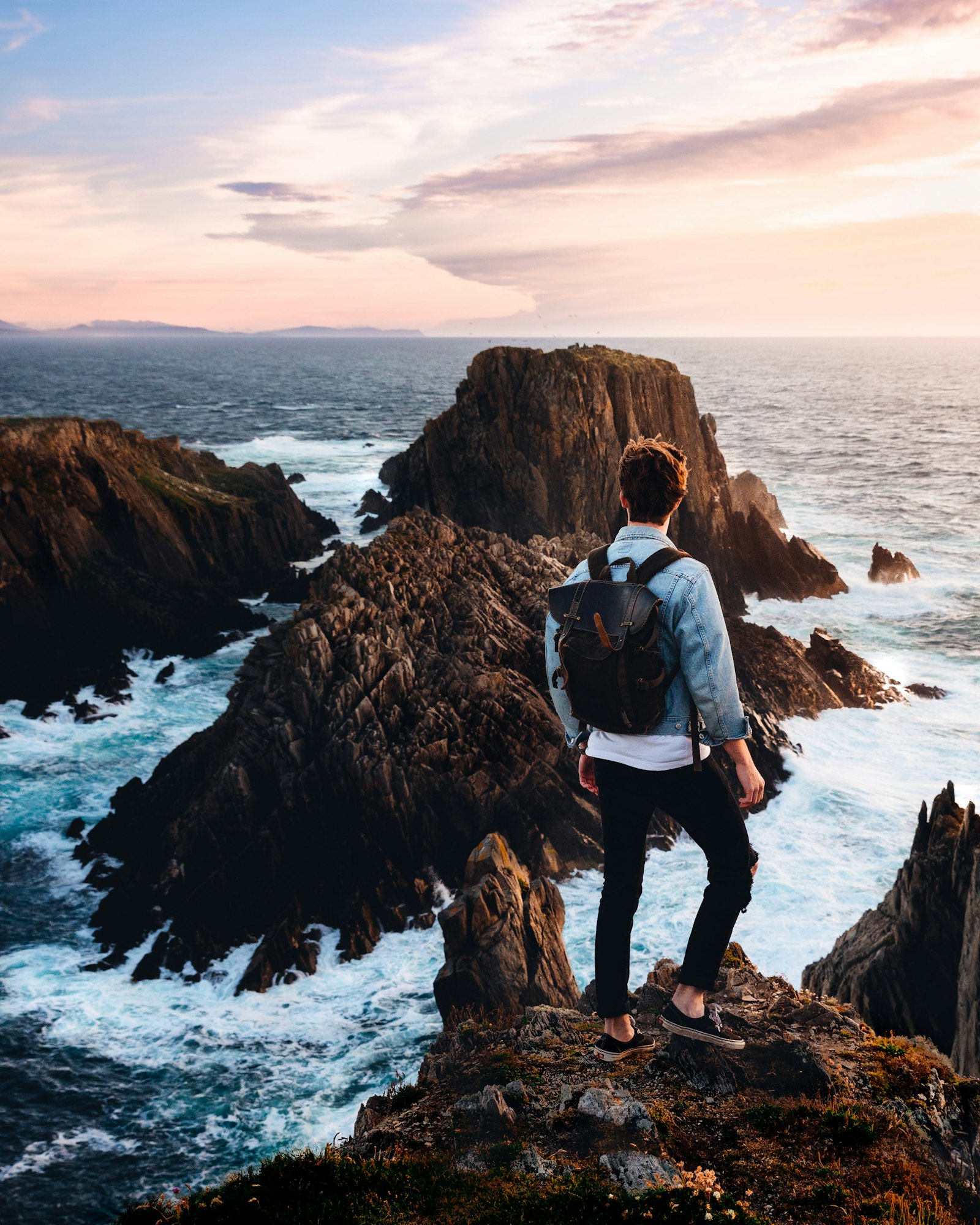
Solo female travel is one of the most rewarding ways to see the world — and with the right preparation, it is genuinely accessible to women of every age, background, and experience level.
More women than ever are choosing to travel alone, whether for a weekend city break, a months-long backpacking trip, or a business journey that extends into personal exploration. The rewards — freedom, self-discovery, unfiltered cultural immersion — are real. So are the challenges, which deserve honest discussion rather than either dismissal or exaggeration. This guide addresses both.
Honest Risk Assessment: What the Research Actually Tells Us
Solo travel carries risks for everyone. Women face a specific subset of those risks — unwanted attention, harassment, and vulnerability in unfamiliar environments — that deserve acknowledgment without catastrophizing. The vast majority of solo female travelers complete their trips without serious incident, particularly when they travel with awareness and preparation.
Risk varies enormously by destination, neighborhood, time of day, and individual circumstances. A street that feels comfortable at noon may feel very different at midnight. Before any trip, research your specific destination beyond headline travel advisories:
- Read recent firsthand accounts from other solo female travelers on forums and community boards.
- Check your government's official travel advisory for up-to-date safety conditions.
- Look at neighborhood-level safety information, not just city-wide summaries.
- Understand local norms around gender — what is culturally expected of women in public spaces.
Choosing Where to Stay
Accommodation is your primary safe base, and choosing it carefully matters more when you are alone.
- Location over price: A slightly more expensive hotel in a central, well-lit, walkable neighborhood is almost always a better choice than a bargain property in an isolated or poorly reviewed area.
- Read recent reviews specifically from solo women. Many platforms allow filtering by traveler type. Look for comments about staff helpfulness, room security, and neighborhood feel after dark.
- Female-only floors or female-only hostels: These exist in many cities worldwide and offer an extra layer of comfort, particularly for first-time solo travelers.
- Hotel security basics: Confirm your room has a working deadbolt and door chain. Request a room that is not on the ground floor. Avoid announcing your room number aloud at check-in.
- Hostels: Well-run hostels with strong community cultures can be among the safest and most sociable choices. Read reviews carefully and choose places with 24-hour reception.
Getting Around Safely
Transportation decisions have an outsized effect on daily safety and confidence. A few principles hold across most destinations:
- Pre-book airport transfers when arriving at night or in an unfamiliar city. Standing outside an airport searching for transport is one of the higher-risk moments of any solo trip.
- Use reputable ride-hailing apps where available — they provide a digital record of your driver and route. Share your trip details with a contact before you get in.
- Sit strategically on public transport: Near other passengers, close to the driver on buses, in the same carriage as other people on trains rather than alone in an empty car.
- Walk with purpose. Appearing confident and purposeful — head up, route known in advance — significantly reduces unwanted attention in most contexts.
- Download offline maps before you leave your accommodation. Stopping to consult your phone on a street corner signals unfamiliarity.
Packing Smart for Solo Travel
What you carry — and how you carry it — affects both safety and ease of travel.
- Anti-theft bag: A bag with locking zippers, slash-resistant straps, or an RFID-blocking compartment is worth the investment in busy tourist areas and crowded transit.
- Door alarm: A small, inexpensive wedge alarm placed under your hotel room door adds meaningful security in any accommodation.
- Portable battery pack: A dead phone is a serious vulnerability. Keep your device charged throughout the day.
- Copies of important documents: Store digital copies in a secure cloud account and carry one physical copy separate from your originals.
- First-aid essentials and any prescription medications in sufficient supply, since reliable access to specific medications cannot be assumed abroad.
- Dress for context: Packing versatile clothing that can be adapted to local dress norms reduces friction and unwanted attention in many destinations. A lightweight scarf is endlessly useful.
Staying Connected and Letting People Know Where You Are
One of the most practical safety habits for any solo traveler — male or female — is maintaining a reliable communication trail.
- Share your itinerary with at least one person at home: accommodation addresses, planned activities, and any day-trip routes.
- Establish a regular check-in schedule — a brief daily message that confirms you are fine.
- Get a local SIM card or an international data plan so you always have connectivity. Wi-Fi-only reliance creates gaps at critical moments.
- Save key local numbers: your accommodation, the nearest hospital or clinic, local emergency services, and your country's embassy or consulate.
- Use TravelerPulse.pro's My Travel Hub to keep your itinerary organized and accessible from any device, making it easy to share your full trip details with someone back home.
Cultural Awareness and Navigating Local Norms
Cultural competence is both a safety tool and a mark of respectful travel.
In many destinations, a woman traveling alone is unusual enough to draw curiosity or assumptions. This is not inherently dangerous, but it requires awareness. Research dress codes, behavioral norms, and local attitudes before you arrive rather than discovering them on the ground.
- In conservative religious or rural contexts, modest dress and behavior often results in significantly less unwanted attention and more genuine hospitality.
- Learn a few phrases in the local language, including a polite but firm refusal.
- Understand which spaces are appropriate for women — some markets, cafés, or religious sites may have separate areas or entry rules.
- Trust your instincts about social situations. Discomfort is information.
Handling Unwanted Attention and Harassment
Harassment is a reality for many solo female travelers, and it helps to have a strategy before it happens rather than improvising in the moment.
- Ignore and move: For low-level attention such as catcalling, non-engagement and walking away is often the most effective response.
- Be assertive, not apologetic: A clear, direct "No" said with confidence is more effective than an apologetic or hesitant response in most cultures.
- Use the environment: Move toward a busy shop, café, or group of people. Ducking into any public business and asking staff for help is a widely recognized and effective tactic.
- Create a fictional companion: Referring to an imminent meeting with "my husband" or "my group" is a practical tool in persistent situations, regardless of one's feelings about its necessity.
- Document and report serious incidents to local police and to your country's embassy where appropriate.
Building a Social Safety Net on the Road
Solo does not have to mean isolated. Building connections with other travelers and local contacts creates both a richer experience and a practical support network.
- Hostel common rooms, free walking tours, cooking classes, and language exchanges are reliable ways to meet other travelers quickly.
- Online communities for solo female travelers — many organized by region or trip type — are excellent sources of current, firsthand advice.
- Local women are often the best source of on-the-ground safety information. When in doubt, ask a local woman which neighborhood, route, or taxi company she would use.
Visas, Entry Requirements, and Health Preparation
Entry requirements and health considerations deserve careful research specific to your nationality and destination. Policies change frequently, and the consequences of errors are significant when you are traveling alone with no companion to help troubleshoot.
- Check visa requirements well in advance through your government's official foreign affairs or state department website. TravelerPulse.pro's /visas section can help you organize what you need to research, but always verify current rules through official channels.
- Research recommended vaccinations and any health entry requirements (such as proof of vaccination) with a travel medicine clinic or your doctor at least six to eight weeks before departure.
- Understand how your travel health insurance works abroad, including whether you need pre-authorization for treatment and how to access emergency assistance.
Trusting Your Instincts — and Enjoying the Trip
Preparation and vigilance are tools, not a permanent state of anxiety. The goal is to travel with enough awareness that you can relax and actually enjoy yourself.
Many solo female travelers describe their trips as transformative precisely because of the self-reliance required — navigating a bus system alone, ordering in a new language, solving a problem without anyone to defer to. These moments build genuine confidence that extends well beyond travel.
When something feels wrong, leave the situation. When something feels right, lean into it. Your instincts, refined by experience, are among your most reliable travel companions.
Frequently Asked Questions
Is solo female travel safe for older women or first-time travelers?
Yes, with appropriate preparation. Many experienced solo travelers started later in life, and many first-timers choose accessible destinations — well-touristed cities, countries with strong infrastructure, places with large solo-traveler communities — to build confidence before more challenging trips. Age brings its own advantages: life experience, clearer boundaries, and often better resources for comfortable accommodation.
Should I tell people I meet that I am traveling alone?
Use judgment. In social settings like hostels or tour groups, acknowledging solo travel is normal and often leads to great connections. With strangers — taxi drivers, people who approach you on the street — many experienced solo travelers are deliberately vague, mentioning a group or partner nearby. There is no universal rule; read each situation individually.
What travel insurance do I need as a solo traveler?
Solo travelers have no travel companion to help cover costs or assist in a crisis, which makes comprehensive travel insurance more important, not less. Look for a policy that covers medical emergencies and evacuation, trip cancellation, and ideally 24-hour emergency assistance with a helpline. Review policy exclusions carefully, particularly around adventure activities if you plan to do any.
How do I meet other travelers without compromising my safety?
Organized, public, daytime activities are the lowest-risk contexts for meeting people: free walking tours, museum visits, hostel-organized events, cooking classes, and language exchanges. Be cautious about accepting invitations from new acquaintances to private or unfamiliar locations, especially early in an acquaintance and especially at night.
Are there destinations that are especially good for solo female travelers?
Many destinations are regularly recommended by the solo female travel community — often places with strong public transport, low levels of street harassment, welcoming locals, and well-established backpacker infrastructure. Research current community consensus through solo female travel forums, as conditions evolve. No destination is universally safe or unsafe; neighborhood, season, and individual circumstances all matter.
The Bottom Line
Solo female travel requires more preparation than traveling with a companion — but the investment pays off in independence, confidence, and experiences that are entirely your own. Start with honest research, pack thoughtfully, stay connected, and trust your instincts. Millions of women travel alone every year, to every corner of the world, and return with stories they could not have gathered any other way. With the right groundwork, you will too.




