The Essence of Foroko
A closer look
Living guide content for Foroko — read or listen in 46+ languages.
Foroko's food culture is deeply rooted in the rhythms of the Sepik region, where the river and the rainforest dictate what ends up on the table. Sago is the undisputed staple here — pounded, steamed, and shaped into dense, satisfying patties that locals eat morning and evening. Pair it with smoked fish pulled fresh from the river, seasoned with wild ginger and wrapped in banana leaf, and you begin to understand what honest, elemental cooking really tastes like.
The market near the community hall is the best place to lose an hour and gain a meal. Vendors arrive early with bilum bags heavy with taro, pitpit shoots, aibika leaves, and bundles of betel nut. Look for women selling pots of coconut-braised greens or pork slow-cooked in bamboo tubes — these are the dishes you will not find written down anywhere, passed between generations by taste and memory. Bring small change, arrive hungry, and don't rush.
Formal restaurants are few, but the trade stores and informal warungs dotted along the main road serve up reliable plates of rice, tinned fish, and leafy greens that sustain travellers and locals alike. If you're lucky enough to be invited into a family home for a mumu feast — where pork, vegetables, and sago are slow-cooked together in an earth oven — accept without hesitation. It is the most generous and flavourful welcome the Sepik knows how to give.
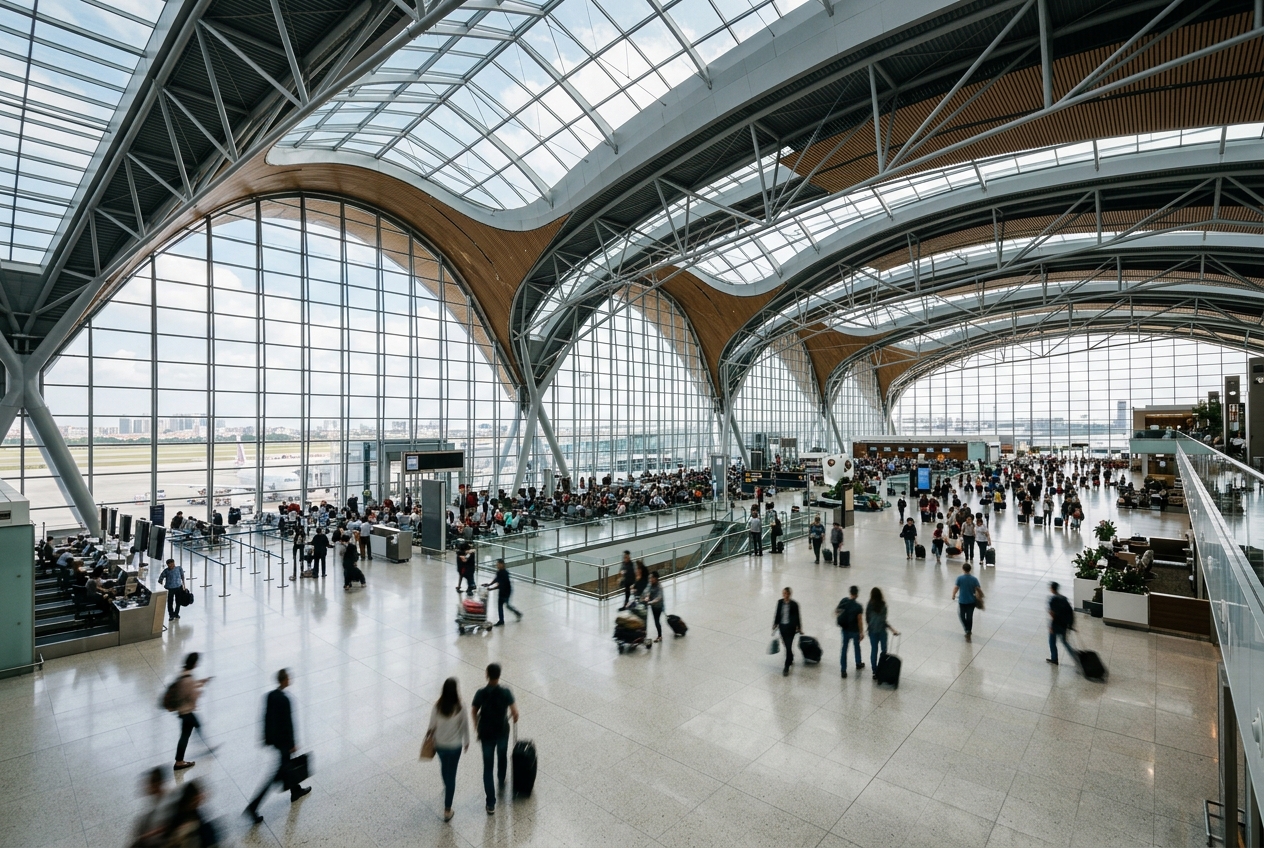
Airports in Foroko
Foroko, MPM Talk – Vibes
0 posts · 0 followingNo posts yet — start the conversation.
