Translate


Overview
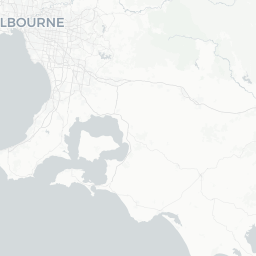
Melbourne is the capital of Victoria and Australia's second-largest city, home to roughly 5.4 million people in the greater metropolitan area. It sits at the northern end of Port Phillip Bay, straddling the Yarra River, and spreads across a broad coastal plain backed by the Dandenong Ranges to the east.
The city has a reputation for cultural density unusual in Australian terms — it hosts major art galleries, live music venues, theatres, independent cinemas, and a restaurant scene that draws chefs and food writers from around the world. Its inner suburbs, including Fitzroy, Collingwood, Richmond, South Yarra, and St Kilda, each have distinct characters worth exploring on foot.
Melbourne is frequently cited in livability surveys, in part because of its public infrastructure, healthcare, and education institutions. It is also the traditional Country of the Kulin Nations, and visitors will encounter acknowledgements of Wurundjeri, Boonwurrung, and other Kulin peoples throughout the city's public life.
The city's weather is famously variable — locals say you can experience four seasons in a single day. This is especially true in spring and autumn. Packing layers regardless of season is genuinely practical advice, not a cliché.
Before You Go
Visas
Australia requires most international visitors to hold a valid visa or approved travel authority before arrival. Requirements vary significantly by passport. Check TravelerPulse's Visas section for a starting point, then verify your specific situation with the Australian Department of Home Affairs (homeaffairs.gov.au) well before travel.
Health
No specific vaccinations are required for entry to Australia from most countries, but routine immunisations should be up to date. Australia has a public healthcare system (Medicare) that does not cover non-residents; comprehensive travel insurance with medical coverage is strongly recommended. Confirm current health entry requirements with the Australian Department of Health and Aged Care before departure.
Money
ATMs are widely available across Melbourne. Credit and debit card payments are accepted almost universally, and contactless tap-to-pay is the norm — many venues are effectively cashless. Tipping is not culturally expected but is appreciated for good service in restaurants.
Connectivity
Melbourne has reliable 4G and 5G mobile coverage across the metro area. Prepaid SIM cards from the major Australian carriers (Telstra, Optus, Vodafone) are available at airports, convenience stores, and carrier stores. Free public Wi-Fi is available in parts of the CBD and at major cultural institutions.
Getting There
By Air
Melbourne Airport (MEL), also known as Tullamarine Airport, is the main international and domestic gateway, located approximately 23 kilometres northwest of the CBD. A second airport, Avalon Airport (AVV), serves a smaller number of domestic and some budget routes and is located further from the city centre — factor in significantly more travel time if flying into Avalon.
From Melbourne Airport to the CBD, options include the SkyBus coach service (verify current routes and fares at skybus.com.au), taxis, and rideshare services. A direct rail link between Melbourne Airport and the CBD has been in planning and development; verify its operational status before travel, as it may be available by the time you visit.
By Train
Melbourne's Southern Cross Station connects the city to regional Victoria via V/Line train and coach services. Interstate rail services, including the Overland to Adelaide and connections to Sydney, also operate from Southern Cross — check schedules and availability with the relevant operators as services are limited.
By Road
Melbourne is accessible by car via the Hume Highway from Sydney (approximately 900 km), the Western Highway from Adelaide, and other arterials. The city operates CityLink toll roads; if driving a rental car, confirm how tolls are managed with your rental provider before departure.
Getting Around
Public Transport (myki)
Melbourne's public transport network — trams, trains, and buses — operates under the Public Transport Victoria (PTV) umbrella. To use it, you need a myki card, a rechargeable smart card available at 7-Eleven stores, PTV Hubs, and major train stations. Tap on and tap off when boarding and alighting (for trams in the Free Tram Zone in the CBD, tapping is not required). Check current fares and zone information at ptv.vic.gov.au.
Trams
Melbourne's tram network is one of the largest in the world and is the most useful mode of transport for getting around the inner city and inner suburbs. A Free Tram Zone covers the CBD and Docklands — no myki required within this zone. Beyond its boundaries, fares apply.
Trains
The metropolitan train network radiates outward from the City Loop and connects the CBD to suburban areas and destinations like Frankston, Belgrave, Lilydale, and Williamstown. Trains are generally the fastest option for reaching suburbs further from the centre.
Cycling and Walking
The inner city is walkable, and Melbourne has an expanding network of bike lanes. Shared e-scooter and bike hire schemes operate across parts of the city — verify current operators and coverage on arrival. The Main Yarra Trail and other off-road paths offer pleasant riding away from traffic.
Taxis and Rideshare
Taxis and rideshare services (Uber, Ola, and others) are widely available. Taxi ranks are found at major hotels, transport hubs, and entertainment precincts.
Things to See & Do
Cultural Institutions
Melbourne's cultural precinct around St Kilda Road and Southbank holds several major free institutions. The National Gallery of Victoria (NGV) is Australia's oldest and most visited art museum, with strong international and Australian collections — verify current admission details at ngv.vic.gov.au, as major exhibitions carry a ticket price while the permanent collection is generally free. The Arts Centre Melbourne, the Melbourne Museum in Carlton, and the Australian Centre for the Moving Image (ACMI) in Federation Square are all worth time.
Laneways and Street Art
The CBD's network of laneways — Hosier Lane, Centre Place, Degraves Street, and others — is a defining characteristic of Melbourne. Hosier Lane in particular is a rotating outdoor gallery of commissioned and unsanctioned street art. The laneways also concentrate independent cafés, bars, and boutiques.
Sports
Melbourne is a serious sports city. The Melbourne Cricket Ground (MCG) is one of the world's largest cricket stadiums and the home of Australian rules football. The Australian Open tennis Grand Slam takes place at Melbourne Park each January. The Melbourne Cup horse race, held at Flemington Racecourse in November, is a national event. Check fixture schedules and book tickets in advance for major events.
Gardens and Open Space
The Royal Botanic Gardens Victoria, located south of the CBD along the Yarra, is among the finest botanic gardens in the Southern Hemisphere and free to enter. The Fitzroy Gardens and Carlton Gardens (home to the Royal Exhibition Building, a UNESCO World Heritage Site) are also central and easily walkable.
Day Trips
The Dandenong Ranges, the Mornington Peninsula, the Great Ocean Road, and the Yarra Valley wine region are all within a few hours by car or organised tour and substantially expand what Melbourne-based travel can offer.
Food & Drink
Coffee
Melbourne's coffee culture is not marketing hyperbole — it is a genuine civic identity. Espresso-based drinks, particularly flat whites and piccolos, are taken seriously. The city has a dense concentration of independent specialty roasters and cafés, particularly in Fitzroy, Collingwood, Brunswick, and the CBD laneways. Large chain coffee shops exist but are far outnumbered by independents.
Dining
The restaurant scene spans a wide range of cuisines, reflecting Melbourne's history of post-war immigration from Greece, Italy, Vietnam, China, Lebanon, and many other countries. Lygon Street in Carlton has a long association with Italian restaurants. Victoria Street in Richmond is a well-known hub for Vietnamese food. Chinatown in the CBD and the suburb of Footscray offer extensive Asian dining options. The broader inner-city dining scene is diverse, contemporary, and competitive in quality.
Bars and Nightlife
Hidden-door bars tucked into laneways and basements are a Melbourne tradition. The city also has a strong live music venue culture, historically centred in suburbs like Fitzroy, Collingwood, and St Kilda. Liquor licensing laws and venue hours can change — verify locally. The legal drinking age in Australia is 18, and ID checks are standard at licensed venues.
Markets
The Queen Victoria Market (QVM), operating since the 1870s, is a working fresh produce and general goods market in the northern CBD. Check current opening days at qvm.com.au. The South Melbourne Market and Prahran Market are other established options in the inner suburbs.
Shopping
Melbourne's retail landscape ranges from major department stores and international brands in the CBD (centred on Bourke Street Mall and the Royal Arcade) to independent boutiques and vintage stores in the inner suburbs.
Chapel Street in South Yarra and Prahran spans mid-range to higher-end fashion and homewares. Bridge Road in Richmond has historically been associated with fashion outlets and discount retail, though the character of strips changes over time — verify before making a special trip. Brunswick Street in Fitzroy and Smith Street in Collingwood offer independent designers, bookshops, record stores, and second-hand clothing.
For Australian-made goods, design, and arts and crafts, the NGV Design Store and various artisan markets (check local listings for current schedules) are reliable options. The Standard Market Company and similar specialty food stores are well regarded for local produce and pantry goods.
Practical Information
Emergency Services
In any emergency in Australia — police, fire, or ambulance — call 000. This is the national emergency number and works from any phone including mobile phones without credit.
Electricity
Australia uses 230V/50Hz electricity. The plug type is AS/NZS 3112 (two or three flat angled pins). Visitors from North America, Europe, and Asia will generally need an adaptor.
Business Hours
General retail hours in Melbourne are roughly 9:00–17:30 Monday to Saturday, with many stores extending to 18:00 or later Thursday–Friday and operating reduced Sunday hours. Cafés often open from around 7:00. Verify specific venues directly.
Accessibility
The CBD and major cultural institutions have reasonable wheelchair and mobility accessibility infrastructure. The tram network has historically had accessibility gaps, though newer low-floor trams on key routes have improved this. Check PTV's accessibility information at ptv.vic.gov.au for current details on specific routes.
Time Zone
Melbourne observes Australian Eastern Standard Time (AEST, UTC+10) in winter and Australian Eastern Daylight Time (AEDT, UTC+11) during daylight saving, which runs from the first Sunday in October to the first Sunday in April.
Safety
Melbourne is considered a safe city by international standards. Violent crime against tourists is uncommon, though petty theft — particularly of unattended bags in busy areas — occurs as in any large city. Normal urban awareness applies: keep valuables secure in crowded areas, on public transport, and in cafés.
The CBD and inner suburbs are generally well lit and active at night. The St Kilda foreshore and some outer areas have had historical reputations for late-night incidents; exercise standard caution after dark as you would in any city.
Sun safety is genuinely important in Australia. Melbourne's UV index regularly reaches very high or extreme levels even on overcast days, particularly in summer. Sunscreen (SPF 50+ is standard in Australian pharmacies), sunglasses, and hats are practical necessities rather than optional.
For non-emergency police assistance, the Victoria Police assistance line is 131 444. For 24-hour health advice, the Victorian nurse-on-call line is 1300 60 60 24 — verify these numbers remain current before travel.
Local Culture & Etiquette
Melbourne places visible value on arts, independent culture, and public intellectual life. The city has a high density of independent bookshops, literary festivals, gallery openings, and live music — locals engage with cultural programming to a notable degree.
Australian rules football (AFL) is the dominant winter sport and carries genuine civic significance in Melbourne, where the sport originated. During the AFL season (roughly March to September), match days create a palpable atmosphere around the MCG and Docklands stadium, and football loyalties are a genuine social topic.
Acknowledgement of Country — a formal recognition of Aboriginal and Torres Strait Islander peoples' connection to land — is standard practice at public events, institutions, and government settings. Visitors will encounter these acknowledgements and can treat them as a normal and meaningful part of Australian civic culture.
Queuing is observed. Pedestrian etiquette generally follows keep-left conventions. Tipping, as noted, is not expected but not refused. Bargaining is not a feature of mainstream retail. Casual friendliness in service interactions is common and genuine rather than scripted.