Translate
Overview
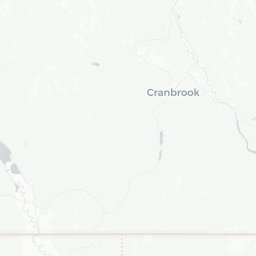
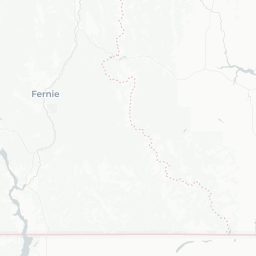
Kimberley is a small city of roughly 7,400 people tucked into the Purcell Mountains of southeastern British Columbia, about 30 km north of Cranbrook. Sitting at an elevation of approximately 1,113 m (3,652 ft), it is one of the highest cities in Canada, and its mountain setting shapes almost every aspect of life here.
The city grew up around the Sullivan Mine, once one of the world's largest lead-zinc-silver mines, which operated from 1895 until its closure in 2001. When the mine wound down, Kimberley had already spent decades reinventing itself around tourism — most visibly through the "Bavarian" aesthetic applied to its downtown pedestrian zone, the Platzl, starting in the 1970s. That theme is surface-level décor rather than a deep cultural heritage, but it gives the compact downtown a distinctive, walkable character.
Today Kimberley functions as a four-season outdoor recreation hub. Kimberley Alpine Resort draws skiers and snowboarders in winter, while an extensive network of lift-accessed and cross-country mountain bike trails has built a strong reputation among cyclists. Hikers, golfers, and Nordic skiers round out a year-round outdoor calendar that punches well above the city's modest population.
Before You Go
Visas and Entry
Kimberley is in Canada. Entry requirements depend on your citizenship and travel document. Check TravelerPulse's Visas section and the official Immigration, Refugees and Citizenship Canada (IRCC) website for current requirements before booking.
Weather and Seasons
- Winter (Dec–Mar): Cold and snowy, with temperatures regularly below −10 °C. Ideal for skiing and snowshoeing. Pack proper insulated layers.
- Spring (Apr–May): Highly variable — warm days can alternate with late snowfall. Trails may be muddy or snow-covered.
- Summer (Jun–Aug): Warm and generally dry, with daytime highs typically in the mid-20s °C. Wildfire smoke can affect air quality some years; check advisories.
- Fall (Sep–Oct): Crisp and colourful. An underrated time to visit before the ski season opens.
What to Pack
Layering is essential year-round. Sun protection matters at elevation even in cooler months. If you plan to mountain bike, confirm whether helmet and gear rentals are available at the resort or local shops before your trip — verify locally.
Getting There
By Air
The nearest commercial airport with scheduled service is Canadian Rockies International Airport (YXC) in Cranbrook, approximately 30 km south of Kimberley. Larger hubs such as Calgary International Airport (YYC), roughly 360 km to the east, offer more flight options and may be worth comparing depending on your origin.
By Road
Kimberley is accessible via BC Highway 95A from Cranbrook. The drive from Calgary takes approximately 3.5–4 hours under normal conditions via the Crowsnest Pass (Highway 3) or the Trans-Canada to Highway 93. Road conditions in winter can be challenging; carry chains or ensure your vehicle has winter tires, as BC regulations require them on many mountain highways. Check DriveBC (drivebc.ca) for current conditions.
By Bus
Limited regional bus service connects Cranbrook to surrounding communities. Verify current routes, schedules, and stops locally or through BC Transit and regional carriers, as service levels change.
Getting Around
Kimberley is a small city and the downtown Platzl is walkable. However, the city is spread across hillside terrain, and getting between the Platzl, the Alpine Resort, and residential areas typically requires a vehicle or bicycle.
A car or truck is the most practical way to explore the broader region, including day trips to Cranbrook, Fernie, or Kootenay National Park. Ride-sharing apps have limited coverage in this area — verify locally before relying on them. Some accommodation providers and the ski resort may offer shuttle services; confirm directly when booking.
Where to Stay
Accommodation in Kimberley ranges from ski-in/ski-out condominiums and chalets near the Alpine Resort to motels and bed-and-breakfast properties in town. Short-term rental platforms also list a significant number of properties, which can be practical for families or groups.
Booking well in advance is advisable during peak ski weekends (particularly January–February and school holiday periods) and during major mountain biking events in summer. Shoulder seasons — spring and fall — generally offer more availability and lower rates. Verify cancellation policies carefully, particularly for non-refundable ski-season bookings.
Things to See & Do
Skiing and Snowboarding
Kimberley Alpine Resort offers a solid mix of terrain for all ability levels, with a vertical drop of roughly 750 m and a relatively uncrowded atmosphere compared to larger Rocky Mountain resorts. Lift ticket prices, operating hours, and season dates change annually — check the resort's official website before your trip.
Mountain Biking
Kimberley has developed into a genuine mountain biking destination. The resort operates lift-accessed downhill trails in summer, and an extensive cross-country trail network — including trails within Kimberley Nature Park — caters to all skill levels. Local bike shops can advise on current trail conditions and rentals.
Kimberley Nature Park
One of Canada's largest urban nature parks at over 650 hectares, it surrounds much of the city and contains trails for hiking, trail running, cycling, and cross-country skiing. No fees to access; verify any specific area rules locally.
The Platzl
Kimberley's pedestrian main street features independent shops, restaurants, and a small clock tower. It is a pleasant place to stroll, have a meal, and get a sense of the town's character. The area is compact and easy to cover on foot.
Nordic Skiing
The Kimberley Nordic Club maintains a groomed cross-country ski trail network accessible in winter. Verify current conditions, trail fees, and pass options directly with the club.
Golf
Several golf courses operate in and around Kimberley during the warmer months. Verify which courses are open, booking requirements, and greens fees directly with each facility.
Food & Drink
Kimberley's dining scene is modest in scale but has a reasonable range for a city of its size, concentrated largely around the Platzl and nearby streets. You will find casual pubs, pizza restaurants, cafés, and a handful of sit-down dining options. The Bavarian theme appears on some menus in a general way, though the food landscape is broadly Canadian pub and comfort fare.
For grocery shopping and self-catering, Kimberley has supermarket options sufficient for stocking up. Visitors renting accommodations with kitchens often find self-catering practical for longer stays.
Cranbrook, 30 km south, has a broader selection of restaurants and grocery stores if you need more variety. Verify current business hours locally, particularly in shoulder seasons when some establishments reduce their hours or close temporarily.
Practical Information
Emergency Services
In an emergency in Canada, dial 911 for police, fire, or ambulance. The nearest hospital with emergency services is in Cranbrook — verify the current facility name and address locally before your trip.
Connectivity
Cell coverage in Kimberley town and at the resort is generally adequate for major Canadian carriers, but it can be patchy in backcountry and trail areas. Download offline maps before heading out on trails.
Money
Most businesses accept major credit and debit cards. Having some Canadian cash on hand is useful for smaller vendors, parking, or trail fee boxes. ATMs are available in town.
Tipping
Standard Canadian tipping practice applies: 15–20% at sit-down restaurants, rounded up for taxis and other services, at your discretion for counter service.
Safety
Kimberley is a low-crime community and is generally very safe for travelers. The main safety considerations are environmental and outdoor-related.
Wildlife: Black bears are present in the region, particularly in summer and fall. Follow BC's WildSafeBC guidelines — carry bear spray when hiking, store food properly, and be aware of your surroundings on trails. Verify current wildlife activity advisories with BC Parks or local sources.
Winter driving: Mountain roads can become hazardous quickly. Winter tires are required by law on most BC highways during winter months; chains may be needed in severe conditions. Never drive into a closure.
Backcountry and avalanche risk: If venturing into avalanche terrain in winter, carry appropriate safety equipment (transceiver, probe, shovel), travel with experienced companions, and check Avalanche Canada (avalanche.ca) forecasts before heading out. The resort's patrolled terrain is managed, but the surrounding mountains are not.