Translate

Overview
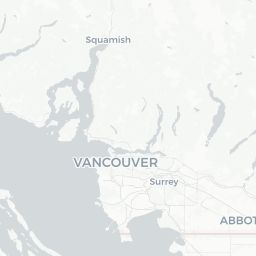
Surrey is British Columbia's second-most populous city and one of the fastest-growing municipalities in Canada. Situated south of the Fraser River and directly east of Vancouver, it spans roughly 316 square kilometres and is home to more than 560,000 residents representing over 100 languages and ethnicities. That diversity gives the city a genuinely multicultural character that shows up in its neighbourhoods, restaurants, and annual events.
Unlike a compact downtown core, Surrey is organized into six distinct town centres — City Centre, Cloverdale, Fleetwood, Guildford, Newton, and South Surrey/White Rock border area — each with its own commercial strip, parks, and community feel. This spread-out layout means a car or reliable transit connection is helpful for getting between areas.
Surrey sits on the traditional territory of the Semiahmoo, Katzie, Kwantlen, Kwikwetlem, Musqueam, Qayqayt, Tsawwassen, and Tseil-Waututh peoples. Visitors interested in Indigenous history and culture will find context in local signage, public art, and community events throughout the city.
For travelers, Surrey works well as an affordable base for exploring Metro Vancouver, offering good SkyTrain connections to downtown Vancouver while providing its own mix of parks, cultural venues, and dining options.
Before You Go
Visas and Entry
Entry requirements for Canada depend on your nationality and method of travel. For general guidance, visit TravelerPulse's Visas section and check the official Immigration, Refugees and Citizenship Canada (IRCC) website for current, authoritative requirements before booking.
Climate
Surrey shares Metro Vancouver's temperate oceanic climate. Summers (June–August) are mild and mostly dry, with temperatures typically ranging from the mid-teens to the mid-20s Celsius. Winters are cool and wet rather than bitterly cold; snow is possible but rarely heavy or persistent. Spring and fall bring frequent rain, so a waterproof layer is useful year-round.
What to Pack
- A packable rain jacket regardless of season
- Layers for cool evenings even in summer
- Comfortable walking shoes; much of the city requires covering distance between attractions
- Reusable water bottle — tap water is safe to drink
Health and Insurance
Canada does not provide free healthcare to visitors. Comprehensive travel health insurance is strongly recommended. Verify coverage details with your insurer before departure.
Getting There
By Air
The closest major airport is Vancouver International Airport (YVR) in Richmond, roughly 25–35 minutes from Surrey's City Centre by car depending on traffic. The Canada Line SkyTrain connects YVR to central Vancouver, where passengers can transfer to the Expo Line to reach Surrey's King George or Surrey Central stations. Verify current transit routes and fares on TransLink's official website.
By Road
Surrey is accessible from Vancouver via the Pattullo Bridge, Port Mann Bridge (Highway 1), and Massey Tunnel (Highway 99, with a replacement bridge project underway — verify current status locally). From the United States, the Peace Arch and Pacific Highway border crossings at Blaine, Washington connect directly into Surrey via Highway 99 and Highway 15. Wait times at border crossings vary significantly; check the Canada Border Services Agency (CBSA) website for current conditions.
By Bus
Regional bus services connect Surrey to other Metro Vancouver communities. Long-distance coach services (such as FlixBus and others — verify current operators) connect the region to cities further afield including Seattle. Confirm schedules and stops on operator websites before travel.
By Rail
Amtrak's Cascades service connects Seattle to Vancouver (Pacific Central Station). From Pacific Central, travelers can take SkyTrain to Surrey. Verify current Amtrak schedules, as cross-border rail services have experienced operational changes in recent years.
Getting Around
SkyTrain
TransLink's Expo Line is the primary rapid-transit spine, with Surrey Central, King George, and Gateway stations serving City Centre. The SkyTrain is reliable, frequent during peak hours, and connects directly to New Westminster, Burnaby, and Vancouver. Fares are zone-based; verify current fare structures on TransLink's official website.
Bus
TransLink buses cover most of Surrey's town centres and neighbourhoods, though frequency varies. Some outlying areas have limited service, particularly in evenings and on weekends. The Compass Card (reloadable tap card) is the most convenient payment method and can be loaded at SkyTrain stations or online.
Car
Given Surrey's size and spread-out layout, a car is the most flexible option for visiting multiple town centres or reaching parks and attractions outside the SkyTrain corridor. Parking availability and cost varies by area; City Centre has paid parkades while many suburban commercial areas offer free surface lots.
Cycling
Surrey has an expanding network of cycling routes, and the city is actively developing separated infrastructure. Cycling conditions are most pleasant in dry summer months. Bike share options in Metro Vancouver — verify current availability at the city or TransLink website — may or may not extend into Surrey.
Things to See & Do
Parks and Nature
Surrey has over 200 parks. Bear Creek Park in the City Centre area is one of the largest, featuring walking trails, a small train ride popular with families, sports fields, and a rose garden. Boundary Bay Regional Park (shared with Delta) offers tidal flats, birdwatching — it is a designated Important Bird Area — and beach access. Tynehead Regional Park in Fleetwood provides forest trails and salmon-bearing streams viewable in season. Redwood Park in South Surrey is unusual for its grove of coastal redwood trees planted in the early 20th century, along with a children's treehouse structure.
Arts and Culture
Surrey Art Gallery, located in Bear Creek Park, is a public gallery with rotating contemporary exhibitions and a strong focus on regional and emerging artists. Admission policies and hours should be confirmed directly with the gallery. The City of Surrey Arts Centre hosts performing arts, theatre, and community events throughout the year.
Historic Cloverdale
The Cloverdale neighbourhood in the southeast retains a small-town historic streetscape. It hosts the Cloverdale Rodeo and Country Fair, one of Canada's largest rodeos, held annually in May — verify exact dates and ticket details each year. The Surrey Museum in Cloverdale presents local history through permanent and temporary exhibitions.
Events and Festivals
Surrey's multiculturalism fuels a busy festival calendar. The Surrey Fusion Festival (typically summer) celebrates the city's cultural diversity through food, music, and performance. Vaisakhi celebrations in April are among the largest outside India, centered on the Gurdwara Sahib Dasmesh Darbar and other South Surrey gurdwaras. Verify current event schedules, as dates and formats can change annually.
Food & Drink
Surrey's dining scene reflects its demographic diversity and is one of its genuine strengths for food travelers. The city has a particularly strong concentration of South Asian restaurants, bakeries, and sweet shops — especially along 128th Street and in the Newton and Payal Business Centre areas — serving Punjabi, South Indian, and other regional cuisines. Freshly made saag, tandoori dishes, mithai (sweets), and lassi are widely available.
Beyond South Asian food, Surrey has Vietnamese pho shops, Filipino bakeries and eateries, Chinese dim sum restaurants, Korean barbecue spots, and a growing number of contemporary Canadian restaurants. The Guildford and South Surrey areas have more Westernized dining strips with chains and casual sit-down restaurants.
Surrey has fewer dedicated craft breweries than Vancouver, though some local establishments serve BC craft beer. Visitors interested in the broader BC craft beer and spirits scene will find more options by venturing into nearby communities. Liquor is sold at BC Liquor Stores and licensed private retailers; verify locations locally.
For groceries and specialty ingredients, South Asian supermarkets in Newton and along 128th Street carry an extensive range of spices, lentils, fresh produce, and prepared foods at competitive prices — worth a browse even for travelers not self-catering.
Shopping
Surrey's retail landscape is largely suburban in format, centred on malls and strip plazas rather than pedestrian high streets. Guildford Town Centre is the largest enclosed shopping mall in the city, anchored by major department stores and a wide range of retailers. Central City Shopping Centre, connected to Surrey Central SkyTrain station, offers convenient access and a mix of shops and services.
For more distinctive shopping, the South Asian commercial strips — particularly the Payal Business Centre and Newton Town Centre area — offer fabric shops, jewellery stores specializing in gold and traditional pieces, clothing, and specialty grocery items not easily found elsewhere in the region. Cloverdale has a small antiques and vintage shopping scene around its historic main street.
Practical Information
Emergency Services
For all emergencies (police, fire, ambulance) in Canada, dial 911.
Medical Care
Surrey Memorial Hospital is the main acute-care hospital serving the city. Walk-in medical clinics are available across the city — verify locations and hours locally or through the BC Health Services directory.
Connectivity
Mobile coverage from major Canadian carriers (Rogers, Telus, Bell) is reliable throughout Surrey. Free Wi-Fi is available at Surrey Public Library branches and many cafés. Visitors with non-Canadian SIM cards should verify roaming rates or consider purchasing a local prepaid SIM on arrival.
Money
ATMs are widely available. Credit and debit cards are accepted at almost all businesses. Contactless payment is common. Tipping is standard practice in restaurants (typically 15–20%), taxis, and personal services.
Libraries and Community Resources
Surrey Public Library operates multiple branches and offers free day passes and services to visitors in some circumstances — verify current visitor policies directly.
Safety
Surrey has historically carried a reputation for higher crime rates relative to some Metro Vancouver communities, though this picture is uneven and largely concentrated in specific areas. City Centre and parts of Newton have experienced higher rates of property crime and street-level drug activity, consistent with challenges seen in many mid-sized Canadian cities. Visitors exercising standard urban awareness — keeping valuables secured, being aware of surroundings at night, not leaving items visible in parked cars — will generally encounter few problems.
Most tourist-relevant areas, parks, shopping centres, and restaurant districts are busy and well-frequented. The SkyTrain is generally safe, with Transit Police patrolling the network. As with any destination, it is sensible to stay informed, avoid displaying expensive equipment conspicuously, and contact local police (non-emergency line) or 911 for emergencies.
Road safety note: Surrey's road network carries significant truck and commuter traffic, particularly near Highway 1 and the Fraser Highway corridor. Pedestrians and cyclists should be attentive at intersections.
Local Culture & Etiquette
Surrey is one of the most ethnically diverse cities in Canada, and that diversity is not superficial — it shapes daily life in tangible ways. Roughly 60% of residents identify as a visible minority, and South Asian communities (predominantly Punjabi Sikh) represent the largest single group. Sikh cultural institutions, including some of the largest gurdwaras in the country, are important community anchors and are generally welcoming to respectful visitors — if entering a gurdwara, cover your head and remove shoes before entering, and be mindful that these are active places of worship.
Hindi, Punjabi, and other South Asian languages are widely spoken in parts of the city alongside English. Many businesses in certain commercial areas operate primarily in non-English languages, which contributes to the city's distinct character compared with greater Vancouver.
Surrey's rapid growth and relatively young population give it an energetic, forward-looking atmosphere. It lacks the established arts district or heritage architecture of older Canadian cities, but its cultural vitality — expressed through food, religious festivals, community events, and public art — offers travelers something genuine and less tourist-filtered than more prominent destinations nearby.