Overview
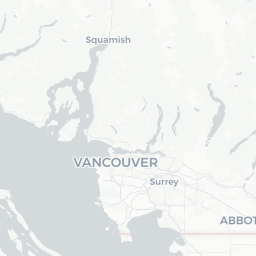
Vancouver sits on the southwestern coast of British Columbia, hemmed in by the Pacific Ocean to the west and the Coast Mountains to the north. That geography is central to how the city lives: residents ski in the morning and kayak in the afternoon, and the skyline is perpetually framed by snowcapped peaks.
The city proper has a population of roughly 660,000, though Metro Vancouver stretches well past two million across surrounding municipalities like Burnaby, Richmond, Surrey, and North Vancouver. It is one of Canada's most ethnically diverse cities — communities with roots in China, India, the Philippines, Iran, and across the Asia-Pacific have shaped its neighbourhoods, cuisine, and cultural life for generations.
Vancouver is also the traditional territory of several First Nations peoples, including the xʷməθkʷəy̓əm (Musqueam), Sḵwx̱wú7mesh (Squamish), and səlilwətaɬ (Tsleil-Waututh) Nations. Acknowledging that context enriches any visit, and several cultural experiences in the city reflect and honour this history.
As a major Pacific gateway, Vancouver handles significant cargo and cruise traffic and is a hub for the film and television industry. That combination of natural beauty, urban infrastructure, and multicultural energy makes it a city that rewards both the outdoor adventurer and the urban explorer.
Before You Go
Visas and Entry
Canada's entry requirements depend on your nationality, whether you arrive by air or land, and your travel history. Requirements can change. Check TravelerPulse's Visas section and the official Immigration, Refugees and Citizenship Canada (IRCC) website for current rules before booking.
Climate
Vancouver has a temperate oceanic climate. Summers (June–September) are warm and relatively dry, with average highs around 20–24 °C (68–75 °F). This is peak season — expect larger crowds and higher accommodation prices. Spring and autumn are mild but increasingly wet. Winters are rainy and grey in the city, though snowfall at sea level is infrequent; the surrounding mountains receive heavy snow from November onward, making Vancouver a rare city where world-class skiing is within an hour's drive.
Health and Vaccinations
No vaccinations are required for entry to Canada. Routine immunisations should be up to date. Travel insurance covering medical expenses is strongly recommended — healthcare for visitors is not covered under provincial health plans.
Packing Notes
- A waterproof outer layer is useful year-round.
- Comfortable walking shoes matter; the city is hilly in parts (notably around Commercial Drive and the West End).
- Layers work well for spring and autumn when temperatures shift noticeably between morning and evening.
- Sunscreen and sun protection are important in summer; UV levels can be high even on partially cloudy days.
Getting There
By Air
Vancouver International Airport (YVR), located in Richmond, is the primary international gateway and one of Canada's busiest airports. It is connected to downtown Vancouver via the Canada Line SkyTrain, which runs frequently and takes roughly 25–30 minutes. Taxis and ride-hailing services (including Uber and Lyft, which are licensed to operate in Metro Vancouver) are available from the airport. Verify current travel times and fares locally or via official transit resources.
By Rail
Amtrak's Cascades service connects Vancouver (Pacific Central Station) to Seattle and Portland, though schedules and cross-border processing times add considerably to journey lengths. VIA Rail connects Vancouver to eastern Canada via the Canadian route, a long-distance journey through the Rockies that is scenic but multi-day. Confirm current schedules and booking on the respective operators' sites.
By Bus
Long-distance bus services operate from Pacific Central Station. Options connect Vancouver to cities across British Columbia, Alberta, and the US Pacific Northwest. Verify current operators and routes before travel.
By Car
Vancouver is served by major highways from the east (Trans-Canada Highway 1) and from the US via Interstate 5/Highway 99 at the Peace Arch and Pacific Highway border crossings. Wait times at crossings can be significant, particularly on weekends and holidays — check the Canada Border Services Agency for real-time estimates.
By Cruise Ship
Vancouver's Canada Place cruise terminal is one of North America's busiest, particularly for Alaska-bound itineraries running May through September.
Getting Around
TransLink (Public Transit)
Vancouver's regional transit authority, TransLink, operates SkyTrain (rapid transit), buses, the SeaBus ferry between downtown and North Vancouver, and the West Coast Express commuter rail. The Compass Card is a reloadable transit card that works across all modes and is sold at SkyTrain stations and London Drugs locations. Single-use tickets and day passes are also available. Verify current fares and zone structures on the TransLink website before travel.
Walking and Cycling
Much of central Vancouver — including the West End, Yaletown, Gastown, Chinatown, and Granville Island — is highly walkable. The city has an expanding network of protected bike lanes. Mobi, Vancouver's public bike-share system, provides rentals across the city; e-bikes are included in the fleet. Helmets are legally required when cycling in British Columbia.
Ride-Hailing and Taxis
Uber and Lyft operate in Metro Vancouver. Traditional taxi services are also available throughout the city and can be hailed or booked by app.
Driving
Driving is practical for exploring areas beyond central Vancouver and for day trips. Parking downtown can be limited and expensive — verify current rates at parkades. Note that Metro Vancouver has a number of bridge and tunnel tolling structures; confirm which crossings apply during your visit. Right turns on red are generally permitted in BC after a full stop unless signed otherwise.
Where to Stay
Vancouver has accommodation across all categories, from international hotel chains and boutique hotels to short-term rentals, hostels, and bed-and-breakfasts. Where you stay shapes how you experience the city.
Neighbourhoods to Consider
- Downtown/West End: Central, walkable, close to Stanley Park and English Bay; convenient for first-time visitors.
- Yaletown: Former warehouse district with upscale hotels, restaurants, and proximity to the False Creek seawall.
- Kitsilano: Residential and relaxed, across False Creek from downtown; well connected by bus but farther from SkyTrain.
- North Vancouver: Across Burrard Inlet via the SeaBus or Second Narrows Bridge; quieter, close to hiking trailheads, and often less expensive than central Vancouver.
- Richmond: Near the airport; practical for early departures or arrivals, and excellent for dining in the city's most concentrated Asian food district.
Vancouver is an expensive city by Canadian standards; accommodation costs reflect that. Book well in advance for summer, holiday periods, and during major events (the city hosts significant conventions, film festivals, and sports events throughout the year). Verify current prices and availability directly with properties or through booking platforms.
Things to See & Do
Stanley Park
At roughly 400 hectares, Stanley Park is one of the largest urban parks in North America. The park sits on a peninsula in Burrard Inlet and is bordered by a flat, paved seawall that is popular with walkers, runners, and cyclists. Inside the park: temperate rainforest trails, Beaver Lake, Prospect Point, the totem poles at Brockton Point, and views across to the North Shore mountains. The Vancouver Aquarium is located within the park (admission fees apply; verify current prices on their site).
Granville Island
Under the Granville Street Bridge on False Creek, Granville Island hosts a large public market with local produce, seafood, baked goods, and prepared foods, alongside artisan studios, galleries, theatres, and a brewery. The island is accessible by foot, bike, transit, or the small Aquabus and False Creek Ferry services. It is busy on weekends.
Gastown and Chinatown
Gastown is Vancouver's oldest neighbourhood, identifiable by its cobblestone streets, Victorian architecture, and the frequently photographed steam clock on Water Street. Immediately to the east, Vancouver's Chinatown is among the largest in North America and is a National Historic Site. The Dr. Sun Yat-Sen Classical Chinese Garden — a Ming Dynasty-style walled garden — is located here. Verify admission prices and opening hours directly with the garden.
Outdoor Recreation
- Skiing and snowboarding: Cypress Mountain, Grouse Mountain, and Mount Seymour are all within roughly an hour of downtown. Whistler Blackcomb, about two hours north via the Sea-to-Sky Highway, is one of the largest ski resorts in North America.
- Hiking: The Grouse Grind (a steep trail up the face of Grouse Mountain) and the trails of Mount Seymour and Cypress Provincial Park are accessible from the city.
- Kayaking and paddleboarding: Rentals are available around False Creek, Jericho Beach, and Deep Cove in North Vancouver.
- Swimming: English Bay, Kitsilano Beach, Jericho Beach, and Locarno Beach are popular in summer.
Museums and Galleries
- Museum of Anthropology (UBC): Houses one of the world's significant collections of Northwest Coast Indigenous art and artifacts, set in a building designed by Arthur Erickson.
- Vancouver Art Gallery: Located in a former courthouse in the heart of downtown; collection includes Emily Carr works and rotating international exhibitions.
- Science World: A geodesic dome at the eastern end of False Creek housing interactive science exhibits, particularly well-suited for families.
- Museum of Vancouver: Tells the city's social and cultural history from pre-contact to present.
Verify admission fees and current hours directly with each institution.
Food & Drink
Vancouver's food scene is shaped heavily by its geography and demographics. Pacific seafood — Dungeness crab, wild salmon, halibut, spot prawns — appears across restaurants at many price points. The city's large Chinese, Japanese, Korean, South Asian, and Southeast Asian communities have produced some of Canada's most respected restaurants in those cuisines. Richmond, just south of the city, is particularly notable for its Cantonese, Hong Kong–style, and other Asian dining options.
Neighbourhood Highlights
- Chinatown and the Downtown Eastside: Traditional dim sum, newer restaurants blending Chinese and local ingredients, bubble tea shops.
- Commercial Drive ("The Drive"): Italian cafés and espresso bars, Latin American restaurants, independent coffee shops; historically a working-class and bohemian corridor.
- Main Street/Mount Pleasant: A concentration of independent coffee roasters, farm-to-table restaurants, and craft beer bars.
- Robson Street and the West End: Dense with international restaurants; Japanese ramen shops are well represented.
- Kitsilano: Neighbourhood restaurants, health-focused cafés, and a Saturday farmers market (seasonal — verify dates).
Drink
British Columbia has a well-regarded wine industry, particularly in the Okanagan Valley, and BC wines are prominently featured on restaurant lists. Vancouver has a substantial craft brewery scene, with many breweries concentrated in East Vancouver, Mount Pleasant, and the False Creek area. Tasting rooms are common and generally welcome walk-ins, though it is worth confirming hours before visiting.
The legal drinking age in British Columbia is 19. Cannabis is legal in Canada for adults 19 and over in BC; consumption is regulated (not permitted in public spaces, near schools, or in vehicles) — verify current rules before purchase or use.
Shopping
Key Areas
- Robson Street: Vancouver's best-known retail strip runs through the West End and downtown; a mix of international chains and local boutiques.
- Granville Island: Artisan crafts, local food products, studio work by working artists — one of the better places in the city to find locally made goods.
- Main Street and Mount Pleasant: Independent clothing stores, record shops, home goods, and vintage shops concentrated between roughly 18th and 30th avenues.
- Gastown: Design-focused boutiques, streetwear, and local brands alongside tourist-oriented shops.
- Pacific Centre: A large downtown underground mall connecting major department stores and chain retailers.
- Richmond Centre and other suburban malls: For those staying in or passing through Richmond and other Metro municipalities.
Practical Notes
British Columbia applies the GST (federal, 5%) and PST (provincial, 7%) to most retail purchases, for a combined sales tax of 12% on most goods. Groceries, prescription drugs, and some other items are exempt or taxed differently. Prices are displayed before tax in most cases. Tipping is not expected in retail settings.
Practical Information
Money
Canada uses the Canadian Dollar (CAD). ATMs are widely available. Major credit and debit cards (Visa, Mastercard, American Express) are accepted almost universally. Contactless payment is common. Some smaller markets, food stalls, or independent vendors may prefer cash — it is worth carrying a small amount. Canada phased out the one-cent coin; cash prices are rounded to the nearest five cents.
Tipping
Tipping is standard practice in sit-down restaurants, bars, taxis, and ride-hailing services. 15–20% of the pre-tax bill is a typical range in restaurants. Counter-service and fast-casual venues increasingly include tip prompts on payment terminals; tipping there is at your discretion.
Electricity
Canada uses 120V/60Hz electricity with Type A and Type B outlets (the same as the United States). Visitors from most of Europe, Asia, Australia, and Africa will need an adapter and possibly a voltage converter for some appliances.
Connectivity
Wi-Fi is available in most accommodation, cafés, and many public spaces. Canadian mobile carriers sell prepaid SIM cards; international visitors may find it cost-effective to purchase a local SIM for an extended stay. Verify coverage and current plans with carriers.
Emergency Services
In any emergency, dial 911 for police, fire, or ambulance services throughout Canada. For non-emergency police matters in Vancouver, contact the Vancouver Police Department's non-emergency line — verify the current number via the VPD website.
Safety
Vancouver is generally considered a safe city for travellers. Violent crime against tourists is uncommon, but as in any large city, situational awareness and basic precautions apply.
The Downtown Eastside (DTES), particularly around Hastings Street between Main and Carrall, is an area that has experienced concentrated poverty, homelessness, and open drug use for decades. It is not a no-go area and is home to many community services and long-established businesses, but visitors who are unfamiliar with this type of urban environment may find it confronting. Treat people you encounter with basic respect and do not photograph individuals without consent.
Petty theft from vehicles is a reported issue, particularly in areas with high parking turnover — do not leave valuables visible in a parked car. Bike theft is also common; use a quality lock if cycling.
Weather-related safety is relevant for outdoor activities. Ocean water temperatures remain cold year-round; hypothermia risk is real for swimmers in distress. Trails in the North Shore mountains can change conditions rapidly — carry appropriate gear, tell someone your plans, and check trail and weather conditions before heading out. Bears and cougars are present in the mountains and occasionally in suburban interface areas; follow posted wildlife safety guidance.
For current travel advisories, check your home country's official foreign affairs or travel advisory service.
Local Culture & Etiquette
Vancouver's cultural identity is genuinely plural. No single heritage defines the city; instead, overlapping communities — Indigenous, British-descended, Chinese Canadian, South Asian, Japanese Canadian, and many others — have all shaped what the city is today. That history includes painful chapters, including the internment of Japanese Canadians during the Second World War, historical exclusion acts targeting Chinese immigrants, and the ongoing impacts of colonization on First Nations peoples. Public spaces, museums, and civic institutions increasingly engage with this full history rather than eliding it.
First Nations culture is present and active in Vancouver — not merely as heritage display. The Museum of Anthropology at UBC, the Bill Reid Gallery of Northwest Coast Art in downtown Vancouver, and events hosted by the city's Indigenous cultural organizations provide substantive engagement. Treat these as living cultures, not historical artifacts.
The city has a notable arts scene anchored by institutions like the Vancouver Symphony Orchestra, Vancouver Opera, Ballet BC, and a dense theatre community. The Vancouver International Film Festival (VIFF, typically September–October) and the Vancouver Writers Fest (typically October) draw international attention. Verify current programming and dates on official event sites.
Sports matter here: the Vancouver Canucks (NHL hockey), Vancouver Whitecaps (MLS soccer), and BC Lions (CFL football) all have engaged fanbases. Game nights generate considerable energy in and around Rogers Arena and BC Place.