Translate


Overview
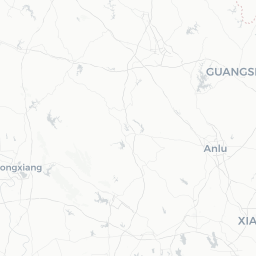
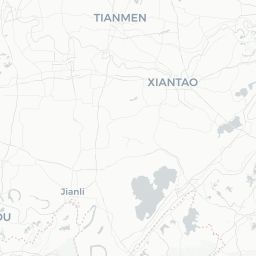
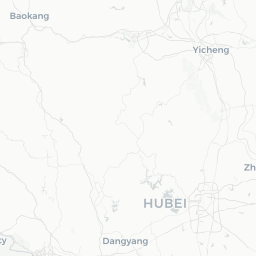
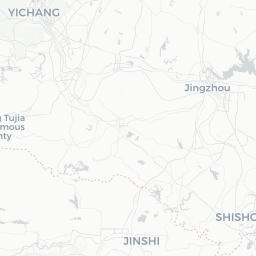
Zhanjiaji is a small settlement situated in Hubei Province, roughly in the broader metropolitan orbit of Wuhan, China's central provincial capital. Its coordinates place it on the Jianghan Plain, a flat, agriculturally rich lowland shaped by centuries of rice cultivation and river management. It is not a major tourist destination in the conventional sense and receives few international visitors independently.
For travelers, Zhanjiaji is best understood as a slice of everyday rural and peri-urban Hubei life rather than a place built around sightseeing. The surrounding landscape reflects the Yangtze River basin's characteristic flat terrain, with fields, wetland fringes, and small-town infrastructure typical of central China's township level settlements.
Most visitors who pass through do so en route to or from Wuhan, or while exploring the broader Jianghan Plain region. If you are interested in authentic, unhurried Chinese small-town life away from tourist circuits, Zhanjiaji offers that experience, though travelers should arrive with realistic expectations and practical preparation.
Before You Go
Visas
China has specific visa requirements that vary significantly depending on your nationality, intended length of stay, and entry point. Do not rely on generalized advice. Check TravelerPulse's Visas section for an overview and verify current requirements directly with the official National Immigration Administration of China or the Chinese embassy or consulate in your country well before travel.
What to Know Before Arriving
- English is rarely spoken at this level of settlement. Download an offline Chinese language app or carry a translation device; this is strongly recommended.
- Cash remains important in smaller Chinese towns. While mobile payment platforms (Alipay, WeChat Pay) dominate in China, international cards and foreign-linked accounts face practical barriers. Confirm payment options before you go, and carry sufficient CNY cash.
- Mobile connectivity: A Chinese SIM card or an international roaming plan is advisable. Note that many Western apps and websites are inaccessible in China without a VPN, and VPN legality and reliability vary — research this in advance.
- Maps: Baidu Maps is the most reliable navigation app within China; Google Maps data can be incomplete or offset for mainland China.
Getting There
From Wuhan
Wuhan is the nearest major transport hub, served by two major airports (Wuhan Tianhe International Airport and Wuhan Ezhou Huahu Airport) and multiple high-speed rail stations. From Wuhan, Zhanjiaji can be reached by local bus or road transport, though specific schedules and routes should be verified locally or through Chinese transit apps such as Baidu Maps or AutoNavi (Gaode) at the time of travel, as services at township level change frequently.
By Road
The Jianghan Plain road network is reasonably well developed. Ride-hailing via Didi (China's dominant ride-hailing platform) may be available depending on local driver coverage; verify this in advance. Taxis may be limited at township scale.
Practical Note
Because Zhanjiaji is a small township, do not assume there are direct long-distance bus or rail connections. Plan your routing through Wuhan or the nearest county-level city and confirm current local transport options on arrival.
Getting Around
Within Zhanjiaji itself, distances are modest and walkable at the settlement core. Bicycles or electric scooters — common in Chinese townships — may be available for informal hire; ask locally. For reaching surrounding villages or points of interest in the wider area, a hired vehicle or Didi ride is the most practical option.
Road conditions on rural township roads are generally acceptable but can be affected by seasonal rain and agricultural traffic. Pedestrian infrastructure varies; exercise standard caution when walking along roads.
Things to See & Do
Zhanjiaji does not have a catalogue of formal tourist attractions with ticketed entry. The appeal, for those who seek it, is observational and experiential.
- Local markets: Township markets (集市, jí shì) are a window into daily agricultural commerce in central China. Timing varies; ask locals or verify on arrival.
- Jianghan Plain landscape: The flat, open farmland surrounding the area offers a characteristic view of Hubei's interior lowlands, distinct from the more dramatic terrain of western Hubei.
- Day-trip base: The location within Wuhan's wider orbit means the city's extensive cultural and historical attractions — the Yellow Crane Tower, Hubei Provincial Museum, East Lake — are accessible as day trips.
Travelers seeking structured sightseeing should build Zhanjiaji into a broader Hubei itinerary rather than treating it as a standalone destination.
Food & Drink
Hubei cuisine forms the culinary backdrop here. The province is known for freshwater fish dishes (reflecting its dense network of lakes and rivers), rice-based meals, hot dry noodles (热干面, rè gān miàn) — a Wuhan staple that appears across the region — and braised pork preparations.
At township level, dining options will be small family-run restaurants (小饭馆) serving locally cooked Hubei home-style food. Menus are almost certainly in Chinese only; a photo-translation app is useful. Food is generally inexpensive by international standards, though prices should be confirmed locally.
- Freshwater fish and lotus root dishes are regional staples worth trying
- Street food and breakfast stalls typically open early and close by mid-morning
- Bottled water is widely available; tap water is not considered drinking water in China without boiling
Practical Information
Health
No destination-specific vaccinations are typically required for Hubei, but consult a travel health professional or your country's travel health advisory service before any trip to China. Standard travel health precautions apply.
Emergency Contacts
- Police: 110
- Fire: 119
- Ambulance / Medical Emergency: 120
These are China's national emergency numbers and apply throughout the country. For non-emergency medical needs at this location, the nearest significant hospital facilities will be in Wuhan; verify the nearest county-level hospital upon arrival.
Connectivity and Apps
Essential apps for China travel: Baidu Maps (navigation), WeChat (communication and payments), Alipay (payments), Didi (ride-hailing). Set these up before arrival where possible, as some require Chinese phone number verification.
Accommodation
Dedicated tourist accommodation at Zhanjiaji township level may be very limited or absent. Travelers are advised to base themselves in Wuhan and visit as a day excursion, or to verify local lodging options directly upon arrival or through Chinese booking platforms (Trip.com / Ctrip).
Safety
Hubei Province and the Wuhan metropolitan region are generally considered safe for travelers by Chinese and international standards. Petty crime exists as in any populated area; standard precautions apply — keep valuables secure and be aware of your surroundings.
At rural township level, traffic behavior on local roads can be unpredictable; exercise caution when crossing roads or cycling. Road safety standards differ from those in many Western countries.
Check your government's current travel advisory for China before departure, as geopolitical and regulatory conditions can affect travel practicalities.
Local Culture & Etiquette
Zhanjiaji sits within Hubei's cultural sphere, which is shaped by its position at the heart of China geographically and historically. The region is part of the ancient Chu cultural zone, one of the major states of China's Spring and Autumn and Warring States periods, traces of which remain visible in Hubei's museums and archaeological sites (primarily in Wuhan and Jingzhou).
In township settings, daily life follows rhythms tied to agriculture and local commerce. Visitors should approach the community with respect and curiosity rather than treating it as a spectacle. Photography of individuals should be done with sensitivity and ideally with permission. Mandarin greetings and basic courtesies are appreciated and will be well received.