Translate
Overview
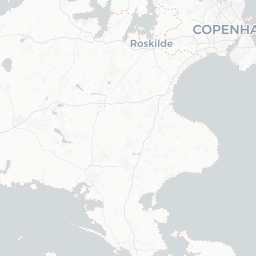
Ravnsnæs is a small coastal settlement of around 580 residents situated on the western shore of the Isefjord in the Capital Region of Denmark. It sits roughly between Roskilde to the south and Frederikssund to the north, placing it within easy reach of some of Zealand's most historically significant towns while itself remaining quiet and largely untouched by tourism.
The settlement's character is shaped by its fjord-side location. The Isefjord is a long, sheltered inlet known for calm waters, birdlife, and the kind of flat, open Scandinavian landscape that rewards slow travel. Ravnsnæs itself offers little in the way of formal attractions, but that is precisely its appeal for visitors seeking a genuine, unhurried corner of the Danish countryside.
Because of its small size, Ravnsnæs is best understood as a base or a detour rather than a standalone destination. Travelers interested in Viking history, cycling routes along the fjord, or simply experiencing the quieter side of Zealand will find it a worthwhile stop.
Before You Go
Denmark is a member of the Schengen Area, which has implications for passport control and permitted lengths of stay depending on your nationality. For accurate, up-to-date entry requirements, visit TravelerPulse's Visas section and consult the official Danish Immigration Service (nyidanmark.dk).
Ravnsnæs has no significant tourist infrastructure — no hotels, no tourist office, and very limited food or shopping options within the settlement itself. Plan accordingly by stocking up on supplies in Roskilde or Frederikssund before arriving, and book accommodation in advance in one of those nearby towns if you need a place to stay overnight.
The area is best explored with your own transport — a car, or ideally a bicycle, which suits the flat terrain and scenic fjord paths very well. Mobile network coverage (major Danish carriers) is generally reliable across the region.
Getting There
By Car
Ravnsnæs is accessible by car from Roskilde (approximately 15–20 km north via regional roads) and from Frederikssund to the north. The roads through this part of Zealand are quiet and well-maintained. Verify current route options via a mapping service before travel.
By Public Transport
There is no train station or regular bus stop within Ravnsnæs itself. The nearest practical rail connections are at Roskilde (on the main Copenhagen–Odense line) and Frederikssund (end of the S-tog Line F from Copenhagen). From either town, reaching Ravnsnæs would require a taxi, rideshare, or bicycle. Verify current bus routes with Movia (movia.dk), the regional public transport operator.
From Copenhagen
Copenhagen is roughly 40–50 km to the east. Driving takes approximately 40–55 minutes depending on traffic and exact route. Traveling by S-tog to Roskilde or Frederikssund and then onward by other means is feasible but requires planning.
Getting Around
Within Ravnsnæs and the surrounding Isefjord shoreline, cycling is the most practical and enjoyable way to get around. The flat terrain and sparse traffic make it suitable for most fitness levels. National cycling route infrastructure is well-developed across this part of Zealand — verify current route maps at the official Danish cycling route portal (cyclingsafetydk.dk or equivalent — confirm locally).
A car gives the most flexibility for reaching nearby towns, fjordside viewpoints, and attractions in Roskilde or Frederikssund. There are no local taxi services based in Ravnsnæs; arrange transport from the nearest larger town.
Things to See & Do
Isefjord Shoreline
The fjord foreshore near Ravnsnæs offers calm walking and cycling along the water's edge. The Isefjord is an important habitat for migratory and wintering birds, making it of interest to birdwatchers, particularly in autumn and spring.
Cycling Routes
The wider Isefjord area is threaded with marked cycling paths connecting small villages, farmland, and fjord viewpoints. A loop taking in Ravnsnæs, Jægerspris, and the northern tip of the Hornsherred peninsula can make a rewarding day ride. Distances and conditions should be verified locally.
Day Trips to Roskilde
Roskilde, roughly 15–20 km south, is home to the UNESCO-listed Roskilde Cathedral (burial site of Danish monarchs) and the Viking Ship Museum, which holds original 11th-century Viking vessels recovered from the Roskilde Fjord. These are among the most significant historical sites in Denmark and well worth the short journey.
Ledreborg Palace
Ledreborg Palace, a Baroque country house with gardens, lies a short drive south of Ravnsnæs near Lejre. Verify opening times and access on the official site before visiting.
Food & Drink
There are no restaurants, cafés, or grocery shops within Ravnsnæs itself. All food and drink needs should be arranged before arriving. Roskilde and Frederikssund both offer a range of supermarkets, bakeries, cafés, and restaurants covering various price points.
Roskilde in particular has a well-developed food scene for a Danish provincial city, including traditional smørrebrød lunch spots and waterfront dining. If you are day-tripping through Ravnsnæs, plan a meal stop in one of these towns as part of your route.
Practical Information
Emergency Services
The pan-European emergency number 112 connects to police, fire, and ambulance services throughout Denmark.
Health
Denmark has a high standard of public healthcare. EU/EEA citizens with a valid European Health Insurance Card (EHIC) can access necessary treatment. Travelers from other countries should carry adequate travel health insurance. The nearest hospitals and pharmacies are in Roskilde and Frederikssund — verify locations before travel.
Money
Denmark uses the Danish Krone (DKK). Card payment is near-universal in Denmark, including for small purchases; however, as Ravnsnæs has no shops, cash needs are essentially zero within the village itself. Carry a card that works internationally.
Connectivity
Mobile coverage from major Danish operators (TDC, Telenor, Telia) is generally good across this part of Zealand. There is no public Wi-Fi within the settlement.
Local Culture & Etiquette
Ravnsnæs sits in a landscape that has been continuously inhabited for millennia. The wider Lejre area to the south is sometimes called the 'Land of Legends' in Danish heritage contexts, associated with early Viking-age and Iron Age settlement. While Ravnsnæs itself has no specific cultural monument, this historical depth is part of what makes the broader area meaningful for travelers interested in Scandinavian heritage.
Danish rural communities like Ravnsnæs tend to be quiet and private. Visitors should be respectful of residential property boundaries, especially along the waterfront where homes are close to the fjord edge. The general Danish social norm is relaxed but reserved with strangers; a polite greeting is always appreciated.