Overview
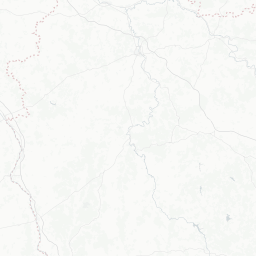
Brières-les-Scellés is a small rural commune of fewer than 900 residents situated in the Essonne département of the Île-de-France region, roughly 50 kilometres south-southwest of Paris. It sits within the gently rolling agricultural plains that characterise this part of the greater Paris basin, offering a marked contrast to the urban density of the French capital.
The village has deep roots in the agricultural history of the Île-de-France. Like many communes of its size in this region, it developed around farming communities and retains a quiet, working countryside character. There is no significant tourist infrastructure here, which is precisely the appeal for travellers seeking an authentic, unhurried slice of rural France within reach of the capital.
Visitors typically come to Brières-les-Scellés as part of a wider exploration of the Essonne valley corridor, which links several historically and naturally interesting villages and market towns. The surrounding landscape — open fields, tree lines, and occasional manor farms — rewards slow travel on foot or by bicycle.
Before You Go
Visas
France is a Schengen Area member state. For visa requirements specific to your nationality, consult TravelerPulse's Visas section and the official French immigration authority website. Do not rely on third-party summaries for entry requirements.
What to Expect
Brières-les-Scellés has minimal tourist facilities. There are no hotels within the village itself, and dining options are extremely limited or absent — verify locally before arrival. Plan to bring provisions or arrange meals in nearby towns such as Étampes or Dourdan.
Practical Preparation
- Carry cash; card payment infrastructure is sparse in very small communes.
- Mobile connectivity is generally available via major French networks, but rural signal can be intermittent.
- A detailed road or cycling map of the Essonne département is useful; download offline maps before you go.
- French is the sole working language; basic French phrases will be appreciated.
Getting There
From Paris by Train and Road
The nearest major rail hub is Étampes, served by RER C from central Paris (verify current schedules and journey times on the SNCF or Île-de-France Mobilités official sites). From Étampes, Brières-les-Scellés is accessible by car or bicycle — the distance is roughly 10–15 kilometres; verify routing locally as road options vary.
By car from Paris, the village is reachable via the A10 or N20 corridor heading south, then local departmental roads. Journey time from Paris varies with traffic; allow at least an hour under normal conditions.
No Direct Public Transit
There is no direct bus or rail service into Brières-les-Scellés itself. Travellers without a car should plan to hire a vehicle, cycle from a nearby rail station, or arrange a taxi from Étampes. Verify current local taxi availability before travel.
Getting Around
Within the village, everything is walkable given its small size. The surrounding countryside is well-suited to cycling, with relatively flat to gently rolling terrain on departmental lanes that carry light traffic outside of commuter hours.
A private car or hired bicycle is the most practical way to explore the broader area, including connections to neighbouring villages and the Essonne valley. There is no local bus network operating within the commune itself — verify any regional bus routes through Île-de-France Mobilités before relying on them.
Things to See & Do
Countryside Walking and Cycling
The primary draw for visitors is the open agricultural landscape. Marked walking trails (sentiers de randonnée) exist throughout the Essonne département; the local tourist office for the Essonne (based in Évry-Courcouronnes) can provide route maps. Verify current trail conditions and access locally.
Village Architecture
Like many Île-de-France villages, Brières-les-Scellés features traditional stone-and-render farmhouses and a parish church typical of the region's rural ecclesiastical heritage. The church is worth a brief visit; confirm opening hours locally as rural churches in France are often locked outside of services.
Exploring the Essonne Valley
The broader Essonne valley corridor offers historic market towns, riverside paths, and château estates within a short drive or cycle. Étampes in particular has a well-preserved medieval and Renaissance town centre worth combining with any visit to this area.
Food & Drink
There are no confirmed restaurants or cafés operating within Brières-les-Scellés — verify locally as this can change. Travellers should plan meals in nearby Étampes or Dourdan, both of which have established restaurant scenes offering traditional French cuisine.
Local markets in the Essonne region are a good source of regional produce including cheese, bread, and seasonal vegetables. Check market days for Étampes and surrounding towns through the local mairie or tourism office before your visit.
If self-catering, the nearest supermarkets and food shops are in larger neighbouring towns. Bring supplies for the day if you intend to spend extended time in the village.
Practical Information
Emergency Services
France's national emergency numbers apply: 15 (SAMU medical), 17 (police), 18 (fire/pompiers), and 112 (pan-European emergency). The nearest hospital facilities are in Étampes or further into the greater Paris area — verify the nearest appropriate facility before travel.
Connectivity and Money
Mobile data coverage follows major French operators (Orange, SFR, Bouygues, Free); rural areas may have reduced signal. ATMs are not available in the village — withdraw cash in a nearby town before arriving.
Post and Services
Basic municipal services are handled through the local mairie. For postal services, pharmacies, and other amenities, plan to use facilities in Étampes or another nearby town.
Local Culture & Etiquette
Brières-les-Scellés shares the cultural rhythms of rural Île-de-France — a region that, away from Paris, retains a quiet, agricultural identity distinct from the capital's cosmopolitan character. Village life centres around the agricultural calendar, local parish traditions, and community events organised through the mairie.
As in most small French communes, interactions with residents are generally warm when approached respectfully and with at least a basic effort at French. Avoid assumptions that English will be widely spoken — it may be, but it is not to be taken for granted. Standard French courtesies (greeting shopkeepers, saying au revoir on leaving) go a long way in small-village contexts.