Overview
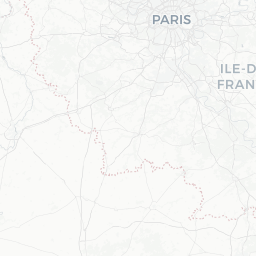
Dampierre-en-Yvelines is a small village of roughly 1,100 inhabitants set in the Vallée de Chevreuse, about 35 km south-west of central Paris. Despite its modest size, it carries considerable historical weight thanks to the Château de Dampierre, a late 17th-century estate designed by Jules Hardouin-Mansart — the same architect responsible for major works at Versailles — for the Duke of Chevreuse.
The village sits within the Parc Naturel Régional de la Haute Vallée de Chevreuse, which protects the surrounding forests, meadows, and waterways. This regional park designation means the landscape remains largely undeveloped, making Dampierre an appealing contrast to the grandeur of nearby Versailles — quieter, greener, and far less crowded.
Most visitors come on a day trip or half-day excursion, pairing the château visit with a walk through the valley or a meal at one of the village's small restaurants. It is a destination that rewards those who appreciate French heritage architecture in a naturalistic, unhurried setting.
Before You Go
Visas
France is a Schengen Area member. Visa requirements vary significantly by nationality. Check TravelerPulse's Visas section and consult the French Ministry of Foreign Affairs or your nearest French consulate for current, authoritative requirements before booking travel.
Seasonal considerations
- Spring and summer (April–September): The château gardens are at their best; the regional park trails are accessible and pleasant.
- Autumn (October): Foliage in the Chevreuse Valley can be attractive, and visitor numbers drop.
- Winter (November–March): The village is very quiet; verify château opening status before visiting, as hours are often reduced or access limited off-season.
Practical prep
Dampierre-en-Yvelines has very limited tourist infrastructure. There are no large supermarkets or pharmacies in the village itself — stock up on supplies in nearby Chevreuse or Saint-Rémy-lès-Chevreuse before arriving. Mobile coverage is generally adequate but can dip in forested areas of the park.
Getting There
From Paris by train and bus
The most practical public transport route is to take the RER B line from central Paris toward Saint-Rémy-lès-Chevreuse (the terminus), then connect onward by local bus or taxi. Verify current bus connections and schedules with Île-de-France Mobilités (iledefrance-mobilites.fr), as rural service can be infrequent.
By car
Driving is the most convenient option and takes approximately 45–60 minutes from central Paris via the A13 or N118, depending on traffic. Parking is available near the château and in the village. A car also gives you freedom to explore other villages in the Chevreuse Valley on the same day.
By bicycle
The valley is served by cycling routes, and some visitors cycle from Saint-Rémy-lès-Chevreuse. Verify local cycling itineraries through the Parc Naturel Régional de la Haute Vallée de Chevreuse's official resources before planning a bike trip.
Getting Around
Dampierre-en-Yvelines is a very small village that can be traversed entirely on foot in a matter of minutes. The château, church, and village centre are all within easy walking distance of one another.
If you plan to explore trails in the surrounding regional park, a detailed walking map is advisable — ask at tourist offices in Chevreuse or Saint-Rémy-lès-Chevreuse, or consult the Parc Naturel Régional's published trail resources. There is no local taxi rank in the village itself; arrange transfers in advance if you are not driving.
Things to See & Do
Château de Dampierre
The centrepiece of any visit is the Château de Dampierre, built in the 1680s for the Duke of Luynes and Chevreuse to designs attributed to Jules Hardouin-Mansart, with formal gardens influenced by André Le Nôtre's principles. The estate has remained in the Luynes family. Portions of the château and its gardens have been open to the public, though access, hours, and admission fees vary by season and should be verified directly with the château or via the local tourist office before your visit.
Walking and nature in the Parc Naturel Régional
The village is an excellent starting point for walks within the Haute Vallée de Chevreuse regional park. Marked trails pass through oak and beech forest, skirt the Yvette river valley, and connect to neighbouring villages. Trail difficulty ranges from easy riverside paths to longer forest circuits.
Église Saint-Pierre-ès-Liens
The village church, dating in parts from the medieval period, is worth a brief visit. It is a modest but authentic example of rural Île-de-France ecclesiastical architecture.
Cycling the valley
The broader Chevreuse Valley is popular with recreational cyclists, and Dampierre sits on routes connecting several heritage villages. Bringing or renting a bicycle allows you to cover significantly more ground in a day.
Food & Drink
Dampierre-en-Yvelines has a small number of restaurants and a historic inn that have traditionally catered to visitors and local clientele. Given the village's size, options are limited and establishments can close seasonally or change ownership — verify what is currently operating before you arrive, as information goes out of date quickly for places this small.
For a wider selection of dining, the nearby towns of Chevreuse and Rambouillet offer more restaurants, brasseries, and cafés. A packed lunch is a practical choice if you plan to spend time on trails in the regional park, where there are no facilities.
Local Île-de-France produce — including cheeses, breads, and seasonal vegetables available at market towns nearby — reflects straightforward French rural cooking. If you have specific dietary requirements, plan ahead; specialist options are unlikely to be available in the village itself.
Practical Information
Emergency numbers
- General emergency (EU standard): 112
- Police: 17
- SAMU (medical emergency): 15
- Fire service: 18
Money
There are no ATMs or bank branches in Dampierre-en-Yvelines itself. Withdraw cash in advance in Paris or at larger nearby towns. Card payment is common in France but cannot be guaranteed at every small establishment.
Connectivity
There is no visitor information office in the village. For tourist information, contact the Office de Tourisme de la Vallée de Chevreuse, which covers the broader area. Their contact details and location should be verified online before travel.
Accessibility
The château's accessibility for visitors with reduced mobility depends on which areas are open at a given time — verify directly with the château. Village roads and footpaths are generally uneven and may not be suitable for wheelchairs without planning.
Safety
Dampierre-en-Yvelines is a quiet, low-crime rural village. Standard travel precautions apply: secure your vehicle, keep valuables out of sight, and be aware of your surroundings in forested areas, particularly if hiking alone.
The regional park trails are generally safe and well-marked, but conditions can change with weather. Wear appropriate footwear for walking, carry water, and ensure someone knows your planned route if venturing on longer hikes. France's general emergency number is 112.
Local Culture & Etiquette
Dampierre-en-Yvelines reflects the quietly aristocratic character of the Chevreuse Valley, a region that for centuries attracted French nobility and, later, artists and intellectuals seeking refuge from Paris. The château's continuous ownership by the same noble family across several centuries is unusual and gives the estate an authenticity that more fully institutionalised heritage sites sometimes lack.
Visitors should observe standard French courtesies: greet shopkeepers and locals with "Bonjour" upon entering, and use "Merci" and "Au revoir" when leaving. In such a small village, respectful behaviour toward residents and private property is particularly important. The surrounding regional park is a protected natural area — leave no trace, stay on marked trails, and do not disturb farmland or wildlife.