Overview
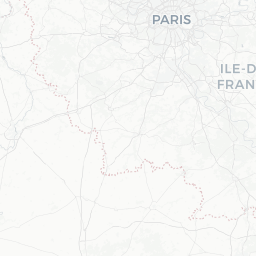
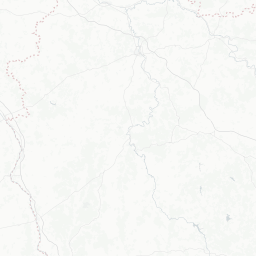
Limours is a small commune of around 6,400 residents situated in the Essonne department, about 35 km south-west of central Paris. It sits at the edge of the Parc Naturel Régional de la Haute Vallée de Chevreuse, a protected landscape of forests, farmland, and river valleys that draws walkers, cyclists, and anyone looking for a genuine countryside escape within reach of the capital.
The town has a modest but genuine historic core. Its most visible landmark is the ruined Château de Limours, whose remains — including a section of wall and towers — can be seen near the town centre. The château was once associated with notable figures of French Renaissance history before falling into disrepair over the centuries. The parish church of Saint-Pierre, dating in part from the medieval period, is also worth a quiet look.
Limours is not a destination built around mass tourism. Visitors tend to be Parisians seeking a half-day or day out, hikers using the town as a trailhead, or travellers passing through the Chevreuse Valley area. That low-key character is part of its appeal — you encounter everyday French small-town life rather than a polished tourist circuit.
Before You Go
Visas
France is a Schengen Area member. For visa guidance specific to your nationality, check TravelerPulse's Visas section and consult the official French immigration authority (France-Visas portal) before travelling.
What to pack
- Comfortable walking or hiking shoes are recommended; forest trails can be muddy after rain.
- A light waterproof layer is useful year-round in Île-de-France.
- Cash is handy for smaller local shops and markets, as card acceptance can vary in very small towns.
Local rhythm
Limours follows standard French small-town hours. Many shops close for lunch (typically 12:00–14:00) and are closed Sundays. Verify opening hours locally or on business websites before planning specific visits.
Getting There
From Paris by road
Limours is approximately 35 km from Paris via the N118 and D906 roads. By car the journey typically takes 40–60 minutes depending on traffic, particularly around the Saclay plateau. Parking in Limours itself is generally straightforward.
By public transport
Direct public transport from central Paris to Limours requires some planning. Regional bus routes connect Limours with nearby RER B stations (such as Saint-Rémy-lès-Chevreuse or Massy-Palaiseau), from which travellers can reach Paris. Schedules and routes change periodically — verify current connections via the Île-de-France Mobilités journey planner (vianavigo.com) before your trip.
By train
There is no direct rail station in Limours. The nearest RER stations are at Saint-Rémy-lès-Chevreuse (RER B) and Dourdan (RER C), both of which require onward bus or taxi connections to reach Limours. Verify locally for the most practical combination.
Getting Around
Limours town centre is compact and easily explored on foot. The château ruins, church, and central square are within a short walk of each other.
For the surrounding forests and Chevreuse Valley trails, a bicycle or car is practical. Cycling is popular in the area, and several marked routes pass near or through Limours. If you are relying on public transport, plan your return journey carefully, as bus frequency can be limited, especially on evenings and weekends — verify schedules via Île-de-France Mobilités.
Things to See & Do
Château de Limours
The ruined remains of the Château de Limours are the town's principal historic sight. The château has a long history connected to the French crown and aristocracy. Views of the exterior ruins are accessible from the surrounding area; verify current access conditions locally before visiting.
Église Saint-Pierre
The parish church contains elements from various periods and is the quiet heart of the old town. It is generally accessible during daytime hours, though verify locally.
Walking and hiking
Limours serves as a convenient entry point to the Parc Naturel Régional de la Haute Vallée de Chevreuse. Marked GR and PR hiking trails pass through the surrounding forests and farmland. The Forêt de Limours and adjacent woodland offer well-marked paths suitable for varied fitness levels. Trail maps are available from the park's official resources (pnr-chevreuse.fr).
Cycling
The Chevreuse Valley is a recognised cycling destination, and several routes connect Limours to villages such as Saint-Rémy-lès-Chevreuse and Chevreuse itself. The terrain includes both flat valley sections and rolling hills. Verify route conditions and bike rental options in the wider area before your visit.
Food & Drink
Limours has a small selection of local restaurants, brasseries, and bakeries serving straightforward French cuisine. Options are limited by the town's size, so it is worth checking what is open on your planned day of visit — particularly on Sundays and Monday afternoons when closures are common in small French towns.
The nearby Chevreuse Valley has a broader selection of restaurants in villages such as Chevreuse and Saint-Rémy-lès-Chevreuse, which may be worth factoring into your itinerary if you are spending a full day in the area.
A local market operates in Limours (verify current days and times locally), offering the kind of fresh produce, cheese, and charcuterie typical of the Île-de-France region.
Practical Information
Emergency numbers
- General emergency (EU standard): 112
- Police: 17
- SAMU (medical emergency): 15
- Fire brigade: 18
Health
No specific health precautions are required beyond those standard for Western Europe. The nearest hospitals with emergency departments are in Longjumeau, Orsay, and Rambouillet — verify the closest facility with capacity before any visit.
Connectivity
Mobile coverage (4G/5G) is generally reliable in the town centre. Forest areas may have reduced signal. Free Wi-Fi is not guaranteed in small towns; verify with your accommodation or café.
Money
ATMs may be limited in Limours; it is advisable to carry some cash. Larger towns nearby (Arpajon, Orsay) have more banking facilities.
Safety
Limours is a quiet residential town with no particular safety concerns for visitors. Standard precautions apply: keep an eye on personal belongings, be aware of your surroundings on forest trails (particularly after dark or in poor weather), and inform someone of your route if hiking alone.
Forest trails can be slippery after rain and may be affected by seasonal conditions. Check trail status via the Parc Naturel Régional de la Haute Vallée de Chevreuse's official resources if visiting after prolonged wet weather.