Overview
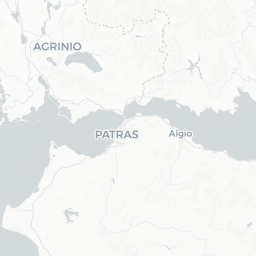
Níkaia is a densely populated municipality in the Piraeus regional unit of Attica, sitting between the port city of Piraeus to the southwest and central Athens to the northeast. With a population of roughly 89,000, it ranks among the larger suburbs of the greater Athens metropolitan area. The city is primarily a residential and commercial district rather than a heritage or tourist destination, offering visitors an unvarnished look at everyday Athenian life away from the well-trodden tourist circuit.
The neighborhood developed significantly during the twentieth century, absorbing waves of Greek refugees and migrants at various points in history. That layered demographic history is reflected in its dense apartment blocks, busy street markets, and a lively local food scene catering to residents rather than tour groups. Travelers who seek authentic urban Greece—local kafeneions, neighborhood squares, and bustling laïki (street markets)—will find Níkaia a refreshingly unfiltered experience.
Most visitors use Níkaia as a practical base rather than a standalone destination: it sits close to the port of Piraeus (gateway to the Greek islands) and is well connected to central Athens via metro. Accommodation here tends to be more affordable than in the historic center, making it a pragmatic choice for budget-conscious travelers.
Before You Go
Visas
Greece is a Schengen Area member. For specific visa requirements based on your nationality, consult TravelerPulse's Visas section and check directly with the Greek Ministry of Foreign Affairs or your nearest Greek consulate before travel.
What to Bring
- Comfortable walking shoes; Níkaia's streets are typical urban Greek terrain with uneven pavements in older blocks.
- A small amount of cash; while card payments are increasingly accepted, many local kafeneions, kiosks (periptera), and market stalls still prefer cash.
- Basic Greek phrases are appreciated by locals, though English is widely understood in shops and transit hubs.
Health
No vaccinations are specifically required for travel to Greece beyond standard recommendations. European Health Insurance Cards (EHIC/GHIC for eligible nationalities) are accepted at public health facilities. Verify current requirements with your healthcare provider before departure.
Getting There
By Air
The nearest international airport is Athens International Airport "Eleftherios Venizelos" (ATH), located approximately 30–35 km east of Níkaia. From the airport, travelers can reach Piraeus or central Athens by metro (Line 3/Blue Line) and then connect onward to Níkaia. Verify current journey times and fares on the Athens Urban Transport Organisation (OASA) website or at the airport.
By Metro
Níkaia is served by Athens Metro Line 3 (Blue Line), with a dedicated Nikaia station. This provides a direct, frequent connection to Piraeus and to central Athens stations including Monastiraki and Syntagma. The metro is the most reliable way to arrive from the city center or Piraeus.
By Bus
OASA operates multiple bus routes through and around Níkaia, connecting it to neighboring municipalities and central Athens. Verify current route numbers and stops locally or via the OASA website, as schedules can change.
By Ferry (via Piraeus)
If arriving or departing by ferry to the Greek islands, the port of Piraeus is the main hub and is easily reachable from Níkaia by metro or bus. Check ferry operators and schedules directly for up-to-date departures.
Getting Around
Níkaia is a compact urban area where most daily errands are done on foot or by short bus ride. The street grid is straightforward, and the metro station acts as a central anchor for orientation.
- Metro (Line 3): The fastest link to Piraeus and central Athens. Trains run frequently; verify current hours and fares on the OASA website.
- Bus: Local OASA routes cover areas not reached by metro. Single-trip tickets and multi-day passes are available; the same ticket type used on the metro is generally valid across the network (verify current interoperability).
- Taxi / Rideshare: Taxis can be hailed on the street or booked via apps such as Beat (widely used in Athens). Rideshare apps are also available; confirm availability in this specific area locally.
- Walking: The flat to gently undulating terrain makes walking practical for short distances within the municipality.
Parking is limited and traffic can be congested during morning and evening rush hours; a private car is generally unnecessary for visitors.
Where to Stay
Níkaia does not have a large or well-documented hotel sector oriented toward tourists. Accommodation options here are primarily budget apartments and small guesthouses serving business travelers and families visiting residents. Most international travelers will find a wider and better-documented range of hotels in Piraeus or central Athens, both accessible within 15–30 minutes by metro.
If you specifically wish to stay in Níkaia—perhaps to reduce accommodation costs—search current listings on major booking platforms and verify reviews carefully, as the local hospitality infrastructure is modest. Short-term apartment rentals may offer more consistent options than traditional hotels in this area.
Things to See & Do
Níkaia is not a sightseeing destination in the conventional sense; it has no major archaeological sites, museums, or heritage monuments. Its appeal lies in ordinary local life.
- Laïki Agora (Street Market): Níkaia holds rotating open-air street markets selling fresh produce, clothing, and household goods. Days and locations vary; ask locally or check the municipality's announcements.
- Neighborhood Squares: The central plateia and smaller local squares serve as social hubs. Sitting at a kafeneion over a Greek coffee and watching daily life is itself a genuine Athenian experience.
- Day Trips from Níkaia: The city's main practical advantage is proximity to major attractions. The Acropolis and central Athens museums are 20–30 minutes away by metro. The port of Piraeus—including its own Archaeological Museum—is a short metro ride southwest. Day-trip ferries to nearby islands such as Aegina depart from Piraeus.
- Urban Exploration: For travelers interested in authentic, ungentrified Greek urban neighborhoods, simply walking Níkaia's commercial streets, browsing its local shops, and eating where residents eat provides a candid picture of contemporary Athenian suburban life.
Food & Drink
Níkaia's food scene is entirely local in character. You will not find tourist-menu restaurants or rooftop bars with Acropolis views; instead, expect tavernas, souvlaki shops, bakeries (fournoi), and kafeneions that serve the neighborhood's residents.
What to Look For
- Souvlaki and gyros: Available at numerous local fast-food-style shops; quality is generally high at independent spots frequented by locals.
- Kafeneion (traditional café): Order a Greek coffee (ellinikós kafés) or a freddo cappuccino and linger as long as you like—there is no pressure to rush.
- Bakeries (Fournoi): Fresh tiropita (cheese pie), spanakopita (spinach pie), koulouri (sesame rings), and bread available from early morning.
- Tavernas: Neighborhood tavernas serve grilled meats, meze, and seasonal vegetable dishes. Menus are often handwritten and may be only in Greek; pointing or using a translation app is perfectly acceptable.
Prices at local establishments are typically lower than in central Athens or tourist-facing Piraeus waterfront restaurants. Tipping is customary but not mandatory; rounding up the bill is common practice.
Practical Information
Emergency Numbers
- General Emergency (EU standard): 112
- Police: 100
- Ambulance: 166
- Fire Brigade: 199
Verify that these numbers are current before travel, as they reflect standard Greek emergency services at time of writing.
Money
ATMs are available throughout Níkaia. Notify your bank of travel plans before departure. Cash remains useful for markets, small shops, and kafeneions.
Connectivity
Free Wi-Fi is available in some cafés. Greek SIM cards are available at phone shops and some convenience stores; EU roaming rules apply to EU-issued SIMs (verify current rules with your provider).
Pharmacies
Pharmacies (farmakeio, marked by a green cross) are common and can advise on minor health issues. A rota system ensures at least one pharmacy is open outside standard hours; look for posted notices in pharmacy windows or verify locally.
Language
Public signage is primarily in Greek. Metro stations are also signed in Latin script. A translation app is helpful for menus and local notices.
Safety
Níkaia is a residential urban area with a level of safety broadly typical of large Greek metropolitan suburbs. Petty theft (pickpocketing, bag snatching) is the most common concern in any dense urban environment; keep valuables secured and be alert in crowded markets and on public transport.
The area has no specific travel advisories distinguishing it from greater Athens. Check your government's foreign travel advisory website for current, country-level guidance on Greece before departure. As with any city, exercise standard urban awareness, particularly after dark in less-populated streets.
Local Culture & Etiquette
Níkaia shares the cultural norms of greater Athens and Greece broadly. A few practical points for respectful engagement:
- Pace of life: Afternoon rest (mesimeri) remains part of the rhythm in residential neighborhoods; noise and activity often dip between roughly 2–5 pm, and it is courteous to lower your volume accordingly.
- Religious sites: If you visit any local churches, dress modestly (shoulders and knees covered).
- Greetings: A simple "kalimera" (good morning) or "kalispera" (good afternoon/evening) goes a long way with local shopkeepers and neighbors.
- Kafeneion culture: Traditional kafeneions were historically male-dominated spaces; this has changed significantly in urban areas, but be observant of the atmosphere in any specific establishment.
- Dining timing: Greeks typically eat dinner late by northern European standards—restaurants often fill between 9–11 pm. Arriving at 6 or 7 pm is possible but you may be eating largely alone.