Overview
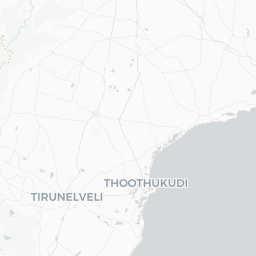
Adichānallūr is a small town in the Tirunelveli-adjacent belt of southern Kerala, situated at the geographical edge where Kerala meets Tamil Nadu. With a population of around 27,000, it functions primarily as a local administrative and agricultural centre rather than a major tourism hub.
The broader Adichānallūr name carries significant historical weight — an archaeological site bearing this name (located just across the border in Tamil Nadu's Tirunelveli district) is one of South India's most important Iron Age burial grounds, yielding urn burials, bronze artefacts, and skeletal remains studied since the early 20th century. Travellers visiting this Kerala settlement often do so in conjunction with exploring that wider heritage corridor.
The landscape here is characteristic of the southernmost tip of the Indian subcontinent: low-lying paddy fields, coconut groves, and waterways that feed into the network of rivers draining toward the Laccadive Sea. The pace of life is unhurried and the town is best appreciated as a window into everyday rural Kerala.
Before You Go
Visas
Most international visitors to India require a visa. Check TravelerPulse's Visas section for general guidance, and verify current requirements directly with India's Bureau of Immigration (immigrationindia.nic.in) or your nearest Indian consulate before travel.
What to Pack
- Lightweight, breathable clothing; modest dress is appropriate near temples and public spaces
- Rain gear if travelling between June and September (southwest monsoon) or October to November (northeast monsoon)
- Insect repellent, particularly during and after the monsoon months
- Cash in INR — ATM availability in small towns can be limited; carry sufficient funds from a larger city
Health
Consult a travel health professional before visiting India regarding recommended vaccinations and malaria prophylaxis. Drink bottled or purified water. Verify locally whether any seasonal health advisories apply at the time of your visit.
Getting There
By Air
The nearest major airports are Thiruvananthapuram International Airport (Trivandrum, IATA: TRV), approximately 60–80 km to the northwest, and Madurai Airport (IATA: IXM) in Tamil Nadu. Both offer domestic connections across India, and Thiruvananthapuram handles a number of international routes. Confirm distances and travel times with your accommodation or transport provider, as road conditions affect journey duration.
By Rail
The closest significant railway junctions are Nagercoil Junction and Tirunelveli Junction, both in Tamil Nadu and well-connected to Chennai, Madurai, and Thiruvananthapuram. Verify current train schedules and availability on the Indian Railways official booking portal (irctc.co.in).
By Road
Adichānallūr is accessible by state and private buses running between Thiruvananthapuram, Nagercoil, and surrounding towns. Taxis and auto-rickshaws can be arranged from larger nearby towns. Road quality and journey times vary; verify current route options locally.
Getting Around
Within Adichānallūr and its immediate surroundings, auto-rickshaws are the most practical option for short journeys. Local buses connect the town to nearby villages and larger centres. Negotiating fares with auto-rickshaw drivers before boarding is standard practice; app-based ride services have limited or no coverage in towns of this size.
For visiting sites in the surrounding region — including the Tamil Nadu side of the Adichānallūr archaeological area — hiring a local taxi for a half- or full-day is the most flexible approach. Arrange this through your accommodation or at a local stand in a nearby larger town.
Things to See & Do
Local Temples
Southern Kerala is dense with Hindu temples, many of which follow the Kerala style of architecture with sloping tiled roofs and wooden mandapams. Several temples in and around Adichānallūr observe traditional rituals and festival calendars. Visitors are generally welcome outside sanctum areas, but should dress modestly, remove footwear at the entrance, and follow posted guidelines.
Archaeological Interest
The Adichānallūr archaeological site — formally located in neighbouring Tamil Nadu near Tirunelveli — is of significant interest to history and archaeology enthusiasts. The site has yielded Iron Age urn burials dating back over two millennia. Access to and interpretation facilities at the site should be confirmed locally, as conditions and opening arrangements are subject to change. The Government Museum in Chennai holds a number of artefacts from the excavations.
Rural Landscape and Waterways
The countryside surrounding the town offers paddy cultivation scenery, coconut groves, and small waterways typical of far-south Kerala. Unhurried walks or short drives through the agricultural surroundings can be rewarding for travellers seeking a quieter, non-touristy Kerala experience.
Food & Drink
Dining in Adichānallūr centres on small local hotels (the term used in Kerala for simple restaurants) and tea shops. Expect rice-based meals — sadya-style thalis with sambar, curries, and chutneys — alongside dosas, idlis, and appams with stew. The food leans toward the flavours of Kerala's southernmost districts, with influences from nearby Tamil Nadu cuisine as well.
Fresh coconut water is widely available and a practical way to stay hydrated. Street-side tea stalls serve strong, milky chai throughout the day. Alcohol is available at licensed shops (Kerala Beverages Corporation outlets); consumption in public is not customary. Always opt for bottled or filtered water.
Practical Information
Money
Carry sufficient INR cash before arriving. ATMs exist in larger neighbouring towns; their availability and reliability in Adichānallūr itself should be verified locally. Most small establishments are cash-only, though UPI mobile payments have become widely accepted even in small towns across Kerala.
Connectivity
Mobile data coverage from major Indian operators (Jio, Airtel, BSNL) is generally available, though signal strength can be patchy in rural areas. Purchase a local SIM at the airport or a larger town with a valid passport and visa copy.
Emergency Contacts
For emergencies in India, the national emergency number is 112. Local police, hospital, and ambulance contacts should be confirmed on arrival. The nearest district hospitals are in larger nearby towns; verify locations and contact details locally or through your accommodation.
Local Culture & Etiquette
This corner of Kerala sits at a cultural crossroads between Malayalam-speaking Kerala and Tamil-speaking Tamil Nadu. You will encounter both languages in daily life, and many residents are comfortably bilingual. Festivals follow the Hindu calendar; major occasions such as Onam and Vishu are widely observed, as are local temple festivals (uthsavams) that can draw large crowds and feature traditional music and processions.
Modest dress is expected when visiting religious sites. Removing shoes before entering temples and homes is customary. Photography inside temple sanctuaries is typically prohibited — look for posted signs or ask before photographing. Accepting hospitality such as tea or a small meal, if offered, is a natural part of social interaction in rural Kerala.