Overview
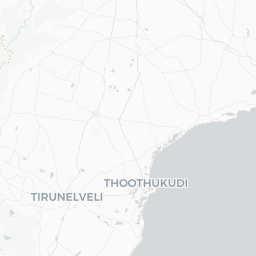
Kovalam is a small coastal town about 16 km south of Thiruvananthapuram (Trivandrum), Kerala's state capital. With a resident population of roughly 6,000 people, it punches well above its size as an international tourism destination, having welcomed foreign visitors since the 1970s.
The town is defined by three adjacent crescent bays separated by rocky headlands. Lighthouse Beach — the southernmost and most developed — is the hub of restaurants, guesthouses, and Ayurvedic clinics. Hawa Beach sits in the middle, slightly quieter. Samudra Beach to the north is calmer and less commercialized.
Kovalam's appeal rests on a combination of things: accessible swimming beaches by Kerala standards, a dense concentration of Ayurvedic treatment centers ranging from budget to luxury, fresh seafood, and reasonable proximity to Thiruvananthapuram's transport links. It is not an undiscovered village — expect hawkers, beach-side restaurant touts, and high-season crowds — but it remains one of the more manageable beach destinations on India's southwest coast.
Before You Go
Visas
Most international travelers require a visa to enter India. Requirements, fees, and e-visa eligibility vary significantly by nationality and can change. Check TravelerPulse's Visas section for current guidance and verify all details directly with India's Bureau of Immigration (indianvisaonline.gov.in or the official embassy or consulate in your country).
Season and weather
- October–February: The peak season. Temperatures sit between roughly 22–32 °C, humidity is lower, and seas are generally calm enough for swimming. Book accommodation in advance, especially December–January.
- March–May: Pre-monsoon heat builds; temperatures can exceed 35 °C. Fewer crowds and lower prices, but swimming conditions deteriorate.
- June–September: Southwest monsoon. Heavy rainfall, rough surf, and strong currents make sea bathing unsafe. Most beach-facing restaurants operate on reduced hours or close. Ayurvedic practitioners consider this the optimal season for treatments, and some resorts offer monsoon packages.
Health
Bring any prescription medication with you. Pharmacies in Thiruvananthapuram stock a wide range, but specific brands may not be available. Standard travel health precautions for tropical India apply — consult a travel medicine professional before you leave. Tap water is not reliably safe to drink; use sealed bottled water or a filter.
What to pack
Lightweight, breathable clothing. Modest cover-ups for visiting temples or markets away from the beach. Reef-safe sunscreen is advisable given the environmental sensitivity of the coast. A light rain layer is useful even outside full monsoon months.
Getting There
By air
Trivandrum International Airport (IATA: TRV) is the nearest airport, approximately 15–20 km from Kovalam depending on the route. It handles domestic flights from major Indian cities and a number of international routes. Taxis and pre-paid cab services are available at the airport; verify current fares at the prepaid counter inside the terminal rather than accepting offers from touts.
By train
Thiruvananthapuram Central (station code: TVC) is Kerala's principal rail hub and connects to cities across India including Mumbai, Chennai, Delhi, Bengaluru, and Kochi. From the station, Kovalam is accessible by local bus, auto-rickshaw, or taxi. There is no train station in Kovalam itself.
By bus
Kerala State Road Transport Corporation (KSRTC) buses operate between Thiruvananthapuram's main bus stand and Kovalam. The journey is short but can be slow in traffic. Private taxis and app-based ride services (where available) offer more flexibility.
By road
Kovalam is well-connected by road from Thiruvananthapuram. Self-drive car rentals are available; road signage is generally adequate. Parking near the beachfront can be congested in peak season.
Getting Around
Kovalam is small enough that the main beach areas are walkable, though the terrain includes some steps and uneven paths on headlands between bays. Auto-rickshaws are the standard short-distance option; agree on a fare before boarding or confirm use of the meter.
For day trips — to Thiruvananthapuram, Padmanabhapuram Palace, or Poovar — taxis hired for the day are practical. Negotiate the fare upfront or use a reputable app-based service. Motorcycles and scooters can be rented locally; verify the rental operator's insurance and road-worthiness of the vehicle, and carry your license. Driving in India requires alertness; traffic norms differ substantially from Western countries.
Where to Stay
Kovalam's accommodation ranges from basic guesthouses behind the beach road to large resort hotels on headlands above the sea. There is no single 'right' area: Lighthouse Beach has the most choice and the most noise; Samudra Beach and the northern headland have larger, generally quieter resorts.
Book well in advance for travel between mid-December and mid-January. Rates vary considerably between peak (Oct–Feb) and off-peak seasons, and many properties offer significant discounts in the shoulder and monsoon months.
Verify cancellation policies carefully, especially around major Indian holidays and the Christmas–New Year period when minimum-stay requirements are common. Check recent independent reviews on established travel platforms before booking; standards at smaller guesthouses can shift with ownership or management changes.
Things to See & Do
Beaches
Lighthouse Beach is the most visited, with a lifeguard presence during peak season (flag systems indicate swimming safety — always observe them). Hawa Beach and Samudra Beach offer a quieter atmosphere. Swimming is only reliably safe between October and May, and even then conditions change; check with lifeguards on the day.
Kovalam Lighthouse
The red-and-white lighthouse at the southern end of Lighthouse Beach is operated by the Directorate General of Lighthouses & Lightships. Visitors can climb it for panoramic views of the coastline. Opening hours and entry fees should be verified locally or on the official DGLL website, as these are subject to change.
Ayurvedic treatments
Kovalam has one of the highest concentrations of Ayurvedic centers in Kerala. Options range from small street-level clinics to dedicated wellness resorts offering multi-day Panchakarma programs. Quality and credentials vary widely. For therapeutic treatments (rather than relaxation massages), look for centers employing qualified Ayurvedic physicians (BAMS degree) and ask about the therapist's training. Avoid selecting a center based solely on a beach tout's recommendation.
Day trips from Kovalam
- Thiruvananthapuram: Museums, the Sri Padmanabhaswamy Temple (entry protocols for non-Hindus apply — check current rules before visiting), and the Napier Museum.
- Padmanabhapuram Palace: A well-preserved wooden palace complex of the former Travancore royal family, about 55 km south near Thuckalay, Tamil Nadu. Verify opening days before traveling.
- Poovar: A backwater area with a lake, estuary, and beach roughly 15 km south of Kovalam, accessible by boat.
Sunset watching
The rocky headland between Lighthouse Beach and Hawa Beach is a popular spot for watching the sun set over the Arabian Sea.
Food & Drink
Kovalam's restaurant scene is heavily oriented toward tourists, and most beach-road establishments offer a long menu covering Kerala seafood, generic Indian dishes, and continental items. Quality and authenticity vary.
What to order
- Karimeen pollichathu: Pearl-spot fish marinated and wrapped in banana leaf, a Kerala specialty worth seeking out.
- Prawn curry and appam: A classic combination in this part of Kerala.
- Fresh grilled seafood: Many restaurants let you pick the catch from a display and specify the preparation. Check the weight and agree on the price before ordering to avoid billing surprises.
- Kerala sadya: A traditional vegetarian meal served on a banana leaf, more commonly found in town restaurants than beach-side tourist spots.
- Coconut-based curries and Kerala parotta: Widely available and reliably good.
Drinks
Fresh coconut water, lime soda, and lassi are safe, widely available, and practical in the heat. Alcohol is available at licensed restaurants and bars; Kerala operates a state-controlled liquor retail system. Do not drink tap water.
Practical note
Restaurant prices on the beachfront carry a tourist premium. Eating a short walk inland in local eateries typically offers more authentic food at lower prices. Always check whether GST and service charges are included in displayed prices.
Practical Information
Money
ATMs are available in Kovalam and more plentifully in Thiruvananthapuram. Inform your bank of travel plans. Many restaurants and larger hotels accept cards, but carry sufficient cash for smaller vendors, auto-rickshaws, and local markets. Currency exchange is available at the airport and in Thiruvananthapuram; rates and commissions vary — compare before exchanging large amounts.
Connectivity
Mobile data coverage is generally good. Purchasing a local SIM card at the airport or in Thiruvananthapuram is straightforward for most nationalities (bring your passport). Most hotels and guesthouses offer Wi-Fi.
Electricity
India uses 230V AC, 50Hz. Plug types are primarily Type C, D, and M. Carry a universal adapter. Power outages are infrequent but do occur.
Emergency contacts
Verify current local emergency numbers on arrival. India's national emergency number is 112 (police, fire, ambulance). The nearest major hospital facilities are in Thiruvananthapuram.
Responsible travel
Plastic pollution is a visible problem on and near the beaches. Bring a reusable water bottle with a filter. Dispose of waste responsibly; use designated bins where available.
Safety
Kovalam is generally considered safe for tourists, including solo travelers and solo women travelers, though standard precautions apply as they would anywhere.
Sea safety is the most significant risk for visitors. The Arabian Sea can have strong currents and sudden swells even on apparently calm days. Observe the lifeguard flag system on Lighthouse Beach — green means safe, red means do not enter the water. Do not swim at unpatrolled beaches without local advice, and never swim during or after heavy rain, which affects currents. Drowning incidents involving tourists have occurred here.
Petty theft and opportunistic scams (overpriced tours, fake Ayurvedic clinics, inflated auto-rickshaw fares) are the most common issues reported by visitors. Be skeptical of unsolicited approaches on the beach offering tours, treatments, or accommodation. Use licensed operators where possible.
For women travelers: unwanted attention and staring can occur, particularly on the beach. Many women find that wearing a cover-up when away from the immediate swimming area reduces unwanted attention. Trust your instincts and move to a more populated area if a situation feels uncomfortable.
Local Culture & Etiquette
Kovalam exists as both a working fishing community and a tourist destination; these two worlds overlap at the beach, where fishing boats still launch in the early morning. Showing basic respect for local customs goes a long way.
Dress modestly when moving away from the beach — shoulders and knees covered is appropriate for markets, temples, and town areas. Remove footwear before entering temples and some traditional homes. Ask before photographing local people, especially fishermen and women.
Kerala has a strong cultural tradition in performing arts, including Kathakali and Koodiyattam. Cultural performances are sometimes staged in Thiruvananthapuram; ask your guesthouse about current programs. Onam (typically August–September) is Kerala's major harvest festival and features elaborate celebrations; it falls during monsoon season but can be a rewarding time to observe local culture if beach activities are not your priority.