Overview
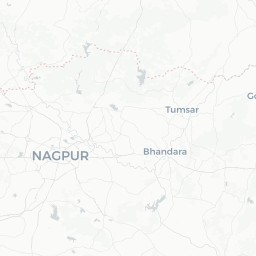
Nagpur sits almost exactly at the geographic centre of India — a fact marked by a Zero Mile Stone near the city's railway station — and serves as the winter capital of Maharashtra. With a population of over 2.4 million, it is one of central India's major commercial and administrative cities, known to many as India's 'Orange City' after the large citrus orchards that have historically surrounded it.
The city straddles the Deccan Plateau and the Vidarbha region, giving it a distinct cultural character that differs from coastal Maharashtra. It is an important hub for trade, particularly in oranges, cotton, and textiles, and functions as a gateway city for travellers heading to some of India's most celebrated national parks.
Nagpur has grown significantly in recent decades, but it retains a relaxed pace compared to Mumbai or Pune. Wide roads, relatively manageable traffic, and a spread of parks and lakes make it a reasonably comfortable city to explore on a short trip or as a base for wildlife excursions.
Before You Go
Visas
Most international visitors require a visa to enter India. Requirements vary significantly by nationality, purpose of visit, and duration of stay. Do not rely on outdated sources. Check TravelerPulse's Visas section and verify current requirements with India's official Bureau of Immigration or your nearest Indian diplomatic mission before booking.
Climate
Nagpur has a semi-arid tropical climate with three distinct seasons. Summers (March–June) are intense, with temperatures frequently exceeding 40 °C — travel is uncomfortable and wildlife sightings are harder. The monsoon (July–September) brings significant rainfall. Winter (October–February) is the most pleasant season, with mild days and cool nights, and is the best time for both city sightseeing and jungle safaris nearby.
Health
Consult a travel medicine professional before travel to India. Mosquito-borne illnesses including dengue and malaria are present in the region. Carry insect repellent, especially if visiting forested areas or wildlife reserves. Drink only bottled or filtered water. A basic medical kit is advisable for independent travellers.
Getting There
By Air
Dr. Babasaheb Ambedkar International Airport (IATA: NAG) is located approximately 8 km south of the city centre. It receives direct flights from major Indian cities including Mumbai, Delhi, Hyderabad, Bengaluru, and Chennai. Some international connections operate via these hubs. Check current routes and schedules directly with airlines or booking platforms, as services change.
By Train
Nagpur Junction is a major railway node on the central and south-east railway lines, well connected to Delhi, Mumbai, Kolkata, Hyderabad, and other large cities. It is often described as one of India's busiest transit junctions. Train travel is a practical and popular option for reaching Nagpur from most parts of the country. Book tickets in advance through the Indian Railways official booking system, particularly during holidays and peak season.
By Road
Nagpur is connected by National Highways to cities across central India. Long-distance bus services, including Maharashtra State Road Transport Corporation (MSRTC) coaches, operate routes to Pune, Mumbai, Hyderabad, and other regional destinations. Private bus operators also serve these routes. The Samruddhi Expressway (Mumbai–Nagpur) has substantially reduced road travel time to Mumbai.
Getting Around
Auto-rickshaws
Three-wheeled auto-rickshaws are the most common and convenient way to get around central Nagpur for short trips. Agree on a fare before boarding or confirm the meter is running — verify current typical rates locally.
App-based Cabs
Ola and Uber operate in Nagpur and offer a metered, cashless alternative. These are generally reliable and useful for airport transfers or longer city journeys.
City Buses
Nagpur's city bus network (NMMT and MSRTC) covers many parts of the city and is inexpensive, but can be crowded and routes may be hard to navigate without local knowledge or the Hindi/Marathi language.
Renting a Vehicle
For day trips to wildlife reserves such as Tadoba-Andhari, renting a car with a driver is the most practical option. Safari zones require permits and designated vehicles — arrange these in advance through the park authority or a reputable local operator.
Things to See & Do
Deekshabhoomi
This large Buddhist monument and pilgrimage site is one of the most significant in India. On 14 October 1956, B. R. Ambedkar converted to Buddhism here along with hundreds of thousands of followers — an event that shaped modern Indian social history. The stupa and surrounding grounds are open to visitors and are particularly busy around the anniversary of the conversion each year. Dress modestly and remove footwear before entering sacred areas.
Zero Mile Stone
Located near Sitabuldi Fort, this colonial-era obelisk marks the geographic centre of India. It is a modest but historically interesting landmark, popular with Indian visitors for its symbolic significance.
Sitabuldi Fort
This 19th-century hilltop fort was the site of a battle during the Third Anglo-Maratha War. It is managed by the Indian Army and access for civilians may be restricted or limited to specific dates — verify locally before visiting.
Nagpur's Lakes and Parks
The city has several lakes including Futala Lake, Ambazari Lake, and Gorewada Lake. Futala and Ambazari are popular evening spots for locals, with waterside promenades. Gorewada International Zoological Park, one of India's larger wildlife parks, is located here — verify current opening hours and ticket availability before visiting.
Tadoba-Andhari Tiger Reserve
Approximately 150 km from Nagpur, Tadoba is among Maharashtra's best-known tiger reserves and one of India's more accessible parks for Bengal tiger sightings. Safari permits are limited and must be booked in advance through the official Maharashtra forest department booking portal. The park operates morning and evening safari slots; the dry season (February–May) offers the highest probability of wildlife sightings, though summer heat is extreme.
Food & Drink
Nagpur's food culture reflects its Vidarbha identity, which differs from coastal Maharashtrian cuisine. Local meals tend to be spicier and often feature lentils, sorghum (jowar), and red chilies. A Vidarbha-style thali is a good way to sample the range of regional dishes in one sitting.
Things to try:
- Saoji cuisine — a distinctly fiery Nagpur style of cooking using a complex spice blend, most notably in mutton or chicken curries
- Tarri Poha — flattened rice served with a spiced chickpea curry on the side, a popular breakfast dish found across the city
- Nagpuri oranges — seasonally available fresh or as juice; considered among the finest in India
- Vada and Misal — common street snacks throughout the city
Vegetarian options are widely available. The city has a strong street food culture concentrated around markets and near popular landmarks. International cuisine is limited but present in larger hotels and malls. Alcohol is available in licensed hotels and shops; verify local regulations as they can change.
Shopping
Nagpur is a textile and trade city, and this is reflected in its markets. Itwari and Sitabuldi are central market areas with dense lanes of fabric, spices, and everyday goods. Itwari in particular is known for wholesale and retail textile trade.
Handloom cotton fabrics, particularly Vidarbha-woven cotton textiles and sarees, make practical and authentic souvenirs. Nagpuri oranges and orange-based products (juice, pickles, marmalade) are popular to take home when in season — typically November through January. Large shopping malls are also present in newer parts of the city for branded retail.
Practical Information
Money
ATMs are widely available in central areas and near major transport hubs. Inform your bank of travel to India to avoid card blocks. Many smaller restaurants and shops operate on cash; larger establishments and hotels accept cards and UPI payments.
Connectivity
SIM cards from major Indian operators (Jio, Airtel, Vi) are available at the airport and across the city. Foreign visitors will need to provide passport details when purchasing a SIM. Local SIM data is affordable and coverage is generally good in urban areas, with variable quality in forested zones near wildlife parks.
Emergency Numbers (India-wide)
- Police: 100
- Ambulance: 108
- Fire: 101
Verify that these numbers are active and applicable when you arrive, as local emergency arrangements can vary.
Electricity
India uses 230V/50Hz. Sockets are typically Type C, D, and M. Carry a universal adapter. Power fluctuations can occur — surge protectors are advisable for sensitive electronics.
Safety
Nagpur is generally considered one of the safer large cities in central India for travellers. Standard urban precautions apply: keep valuables out of sight, be aware of your surroundings in crowded markets, and use licensed or app-based transport at night.
For wildlife areas, always follow park ranger instructions. Do not exit safari vehicles, maintain safe distances from animals, and stick to designated trails. Wild animal encounters outside of parks — though uncommon in the city itself — are possible in forested outskirts.
Female travellers should use the same general precautions applicable across Indian cities: prefer app-based cabs at night, dress modestly at religious sites, and trust your instincts in unfamiliar situations. Solo travel is manageable but local advice from your accommodation is useful. Check your government's current travel advisory for India before departure.
Local Culture & Etiquette
Nagpur holds considerable significance in Indian political and social history. It is the headquarters of the Rashtriya Swayamsevak Sangh (RSS) and was the site of B. R. Ambedkar's mass conversion to Buddhism in 1956 — events that give the city a particular weight in Indian public life. Travellers interested in modern Indian history will find both sites and context here that are rarely as accessible in larger tourist cities.
The city observes major Hindu, Buddhist, and Muslim festivals. Diwali, Dussehra, and the October Deekshabhoomi conversion anniversary (Dhamma Chakra Pravartan Din) draw large gatherings. At religious and memorial sites, dress conservatively, remove footwear where indicated, and ask before photographing individuals or ceremonies.
Nagpurians are generally hospitable and accustomed to domestic Indian tourists, though international visitors are less common than in cities like Mumbai or Jaipur. Marathi is the primary language; basic Hindi phrases will help in most situations, and English is understood in hotels, larger restaurants, and business contexts.