Translate
Overview
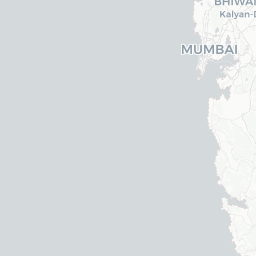
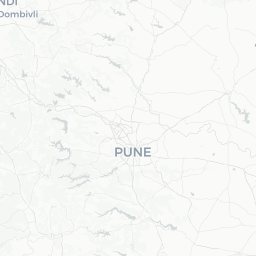
Shelar is a small town in the Thane district of Maharashtra with a population of roughly 15,000. It sits at coordinates placing it in the hilly transitional zone between the Mumbai Metropolitan Region and the interior Western Ghats foothills, at an elevation that gives it a noticeably greener and cooler character than coastal Mumbai.
The town is largely residential and agricultural, serving surrounding villages as a local service hub. It does not have a developed tourism infrastructure, which means visitors who do come are typically day-trippers from Pune or Mumbai seeking quiet, rural scenery, or travellers passing through to nearby forts and hill destinations.
Because Shelar is modest in size and facilities, it suits travellers who are comfortable with basic amenities, local dhabas, and the rhythms of small-town Maharashtra life. Do not expect resort hotels, ATMs on every corner, or English-language signage — and that understated quality is precisely its draw for those who seek it.
Before You Go
Visas
India requires a visa for most foreign nationals. For current entry requirements specific to your passport, visit TravelerPulse's Visas section and cross-check with the official Bureau of Immigration, India (indianvisaonline.gov.in or boi.gov.in). Requirements change; always verify before booking.
What to pack
- October–February: Light layers; mornings and evenings can be cool at this elevation.
- March–May: Light cotton clothing; temperatures rise significantly.
- June–September (Monsoon): Waterproof footwear, rain gear, and insect repellent are essential. Roads may be slippery or temporarily closed.
Health
Drink bottled or purified water. Standard India travel health precautions apply — consult your doctor or a travel health clinic before departure. Mosquito repellent is advisable, particularly during and after the monsoon season.
Connectivity
Mobile network coverage exists but can be patchy in surrounding rural and hilly areas. Download offline maps (Google Maps or Maps.me) for the area before arriving. Carry enough cash, as card payment infrastructure is very limited.
Getting There
By Road
Shelar is accessible by road from Mumbai (approximately 60–80 km, depending on route) and from Pune (approximately 100–120 km). State Highway and national highway connections exist via towns such as Shahpur or Murbad. Verify current road conditions locally, as routes through ghat sections can be affected during the monsoon.
By Bus
MSRTC (Maharashtra State Road Transport Corporation) operates services connecting nearby larger towns. Check the MSRTC website or local bus stands in Kalyan, Shahpur, or Murbad for routes that pass through or near Shelar. Frequency and schedules should be verified locally or at the nearest major bus depot.
By Rail
There is no railway station in Shelar itself. The nearest broad-gauge railway options are along the Central Railway line — stations such as Kasara or Kalyan are the practical rail access points, from which road transport would be needed. Verify current timetables at indianrail.gov.in or the IRCTC portal.
Getting Around
Within Shelar and to nearby villages, shared auto-rickshaws and occasionally shared jeeps are the primary local transport. Private auto-rickshaws can be hired for point-to-point trips; agree on the fare before starting your journey.
For visiting sites further afield in the district — such as forts or viewpoints — hiring a private vehicle from a nearby larger town is the most practical option. Self-driving (car rental or motorcycle) gives the most flexibility but requires comfort navigating rural Maharashtra roads, which may be narrow and unmarked in places.
Things to See & Do
Rural and Nature Walks
The countryside around Shelar offers informal walking through farmland and low hills. The post-monsoon period (October–November) sees the landscape at its most lush. There are no formal trekking routes or guided trail infrastructure in the town itself — these excursions are self-guided.
Fort and Heritage Excursions
The Thane district is home to several Maratha-era hill forts within a reasonable driving distance. Forts such as Mahuli (near Shahpur) and others in the region are popular with weekend trekkers from Mumbai and Pune. Shelar can serve as a quieter base for accessing this broader circuit, though you will need your own transport. Verify trail accessibility locally before setting out, particularly after monsoon rains.
Local Village Life
For travellers interested in rural Maharashtra, simply exploring the weekly local market (if one operates in or near Shelar — confirm locally) and interacting with farming communities can be a meaningful experience. This is not a commercialised cultural tour but an organic encounter with everyday life.
Food & Drink
Eating options in Shelar are limited to local dhabas (roadside eateries) and small tea stalls. Expect straightforward Maharashtrian home-style cooking: rice, dal, bhaji (vegetable preparations), chapati, and locally grown produce. Non-vegetarian options — chicken and mutton curries — are typically available at larger dhabas.
Vegan and vegetarian travellers will find it relatively easy to eat here, as much of the local diet is plant-based. Gluten-free or highly specific dietary requirements are difficult to accommodate given the basic nature of food establishments.
Drink bottled water or hot chai (tea) rather than tap water. Alcohol availability should be verified locally, as Maharashtra has licensed premises requirements and availability varies significantly between urban and rural areas.
Practical Information
Money
Carry sufficient cash in Indian Rupees before arriving. ATM availability in Shelar cannot be guaranteed; the nearest reliable ATMs are likely in larger nearby towns. Card payments are not expected to be accepted at local shops or dhabas.
Emergency Contacts
For all emergencies in India, the national emergency number is 112 (police, fire, medical). The nearest district hospital and police station will be in a larger nearby administrative centre — ask locally or verify via Maharashtra government resources before your trip.
Communication
Local SIM cards with data plans are the most cost-effective connectivity option for foreign visitors. Purchase at an authorised retailer in a major city (Mumbai, Pune) before heading to smaller towns, as documentation requirements can be easier to process there.
Electricity
India uses 230V / 50Hz; plug types C, D, and M are common. Carry a universal adapter.
Safety
Shelar is a quiet, low-key town with no specific safety concerns beyond those that apply generally to rural travel in India. Road safety is the primary practical risk — roads in hilly areas can be narrow, poorly lit at night, and degraded during or after monsoon season. Avoid driving on ghat roads at night if unfamiliar with the terrain.
Wildlife encounters (snakes, insects) are more of a consideration in rural and forested areas surrounding the town, particularly after monsoon. Wear closed shoes when walking in vegetation.
As with anywhere, keep valuables secure, be aware of your surroundings, and share your itinerary with someone you trust when venturing into more isolated rural or trekking areas.
Local Culture & Etiquette
Shelar and the surrounding Thane district have a predominantly Marathi Hindu cultural character, with communities including Agri, Koli, and other groups historically rooted in agriculture and fishing. Local festivals following the Hindu calendar — particularly Ganesh Chaturthi, Diwali, and Navratri — are celebrated with genuine community participation and can be a memorable time to visit.
When visiting temples or religious sites, dress modestly (shoulders and knees covered), remove footwear at the entrance, and follow any instructions posted or given by temple staff. Photography inside religious spaces should only be done after confirming it is permitted.
Greeting locals with a respectful 'Namaskar' (the Marathi/Hindi greeting with palms pressed together) is well received. Marathi is the dominant and preferred language; learning a few basic phrases before your visit will be appreciated.