Overview
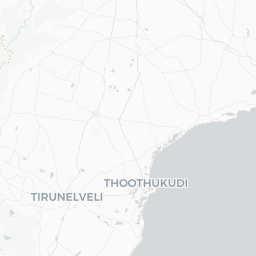
Malayadi is a small town of roughly 7,800 people situated in the southern reaches of Tamil Nadu, close to the border with Kanyakumari district. Its coordinates place it in a part of the state where the Western Ghats taper toward the coast, creating a landscape of paddy fields, coconut groves, and low hills.
The town itself is a quiet, working agricultural settlement rather than a conventional tourist destination. Travelers who find themselves here are usually passing through the broader Tirunelveli–Kanyakumari corridor — one of the most historically and spiritually rich stretches of South India — or visiting family in the area.
Because Malayadi is small and largely residential, most visitor interest lies in the surrounding region: nearby temple towns, coastal spots, and the natural scenery of the far south. Expectations should be calibrated accordingly — this is a place to experience ordinary Tamil rural life, not polished tourism infrastructure.
Before You Go
Visas
India requires a visa for most foreign nationals. For current requirements specific to your passport, check TravelerPulse's Visas section and the official Indian government immigration portal. Requirements and e-visa eligibility change periodically, so always verify before travel.
When to Visit
November through February offers the most comfortable temperatures across this part of Tamil Nadu, with lower humidity and little rainfall. The southwest monsoon (roughly June–September) and the northeast monsoon (October–December) can both bring significant rain to the region; the northeast monsoon in particular affects this southern tip of India. Travel during monsoon season is possible but road conditions can be affected.
What to Pack
- Lightweight, breathable cotton clothing; modest dress is appreciated, especially near temples
- Comfortable walking footwear (you will remove shoes at temple entrances)
- A light rain layer if visiting between October and December
- Any prescription medications you need — pharmacy availability in a small town is limited; stock up in Tirunelveli or Nagercoil
Getting There
By Rail
The nearest significant railway junctions are Tirunelveli and Nagercoil. Both are well connected to Chennai, Madurai, Coimbatore, and other major South Indian cities. From either junction, local buses or auto-rickshaws can reach Malayadi. Verify current schedules and platform information at indianrail.gov.in or through a ticketing agent, as services change.
By Road
Malyadi is accessible by state and private bus services operating in the Tirunelveli district network. Auto-rickshaws and shared cabs are the typical last-mile options from nearby town centers. If you are driving, the town sits near roads linking Tirunelveli and Kanyakumari — verify the most current route via a mapping app before departure, as local road names and conditions can differ from older maps.
By Air
The closest airports are Tuticorin (Thoothukudi) Airport and Trivandrum International Airport across the state border in Kerala. Trivandrum generally has more frequent domestic and international connections. Ground travel from either airport to Malayadi takes roughly one to two hours depending on traffic and exact route — verify locally.
Getting Around
Within Malayadi itself, the town is small enough to navigate largely on foot. Auto-rickshaws are the standard mode of local transport and can be hired for trips to surrounding villages or nearby town centers; agree on a fare before boarding.
For wider exploration of the region — temples, coastal areas, hill viewpoints — hiring a car with a driver for the day from Tirunelveli or Nagercoil is the most practical option for visitors unfamiliar with local roads. App-based cab services have limited coverage in rural areas this small; availability should be verified locally.
Things to See & Do
Malayadi does not have standalone tourist attractions catalogued for visitors, but the surrounding area offers several worthwhile experiences.
- Local temple visits: The far south of Tamil Nadu is densely dotted with Dravidian temples ranging from small neighborhood shrines to significant pilgrimage sites. Ask locally about temples in the immediate vicinity and follow standard temple etiquette (remove footwear, dress modestly).
- Agricultural landscape walks: The paddy and coconut-farming countryside around the town offers a genuine glimpse of rural Tamil life, particularly in the cooler morning hours.
- Day trips to Kanyakumari: The southernmost tip of mainland India, where three bodies of water meet, is within regional reach and one of the most visited points in Tamil Nadu. It warrants a dedicated visit.
- Tirunelveli: The district headquarters has historical temples, markets, and the town's famous halwa sweet, all worth a half-day or full day.
Food & Drink
Food options in Malayadi itself will be limited to small local eateries (known locally as 'hotels') serving South Indian staples: idli, dosa, sambar, rice meals (saapadu), and filter coffee. These establishments are generally inexpensive and reflect everyday Tamil cooking rather than tourist-facing cuisine.
For a wider variety — including restaurants, bakeries, and sweet shops — Tirunelveli town is the practical choice. Tirunelveli is particularly known for its distinctive halwa (a dense, ghee-rich wheat sweet) and its regional style of mutton curry. Alcohol availability in small Tamil Nadu towns can be limited and subject to state regulations; verify locally.
Tap water should not be consumed directly; stick to sealed bottled water, which is widely available at shops.
Practical Information
Money
Carry sufficient cash before arriving in Malayadi. ATMs may exist in or near town but their reliability and daily limits can be variable in smaller settlements; the nearest consistently reliable banking facilities are in Tirunelveli or Nagercoil. Card payments are not broadly accepted at small local eateries or shops.
Connectivity
Mobile data (4G/LTE) from major Indian carriers such as Jio, Airtel, and BSNL is generally available across southern Tamil Nadu, though signal can be patchy in rural pockets. Foreign visitors should arrange an Indian SIM card or a roaming plan before or upon arrival at a major airport or city.
Medical
For anything beyond very minor needs, medical facilities in a town of this size will be limited. The nearest hospitals with broader capacity are in Tirunelveli. Carry a basic personal first-aid kit and any prescription medicines in sufficient supply.
Emergency Numbers (India)
- Police: 100
- Ambulance: 108
- Fire: 101
- All-in-one emergency: 112
Safety
Malayadi is a small, quiet town and does not present particular safety concerns for travelers. Standard common-sense precautions apply: keep valuables secure, be aware of your surroundings, and take care on roads, where traffic patterns can be unpredictable by Western standards.
Women travelers should be aware that rural Tamil Nadu, like many parts of India, can involve unwanted attention in public spaces. Dressing modestly and traveling with companions where possible can reduce friction. Overall, the region is considered safe for tourists, but local awareness is always advisable.
For updated travel advisories specific to your nationality, check your government's official foreign travel advice service before departure.
Local Culture & Etiquette
This corner of Tamil Nadu has a strong tradition of Tamil language and culture, with deep roots in Shaivite and Vaishnavite religious practice. Temples are active community spaces, not just heritage monuments, and visitors should conduct themselves accordingly: dress modestly, speak quietly inside temple precincts, and follow any posted or indicated rules about where non-Hindus may enter.
Local festivals tied to the Tamil calendar — including Pongal in January and various temple chariot festivals — can animate even small towns significantly. If your visit coincides with a local festival, it is worth observing from a respectful distance and asking before photographing rituals or participants.
Tamil is the overwhelmingly dominant language; a few basic phrases of greeting and thanks in Tamil will be warmly received. English is understood by some residents, particularly younger people and those who have worked in larger cities.