Translate


Overview
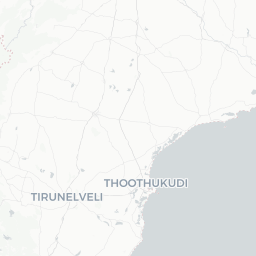
Ānaiyūr is a mid-sized town in Tamil Nadu's Madurai district, situated at approximately 9.96° N, 78.11° E. With a population of around 64,000, it functions primarily as a residential and agricultural service centre rather than a standalone tourist destination. The surrounding landscape is typical of inland Tamil Nadu: relatively flat terrain, cultivated fields, and a warm, semi-arid climate for most of the year.
The town sits within easy reach of Madurai, one of Tamil Nadu's most historically and culturally significant cities, which makes Ānaiyūr a practical base for travellers who prefer quieter surroundings while exploring the wider region. Local life follows the rhythms of Tamil culture — temple festivals, weekly markets, and seasonal agricultural cycles give the town its character.
Visitors who do pass through Ānaiyūr will find an authentic slice of everyday Tamil Nadu, away from the tourist infrastructure of larger cities. Expectations should be set accordingly: accommodation options are limited, English signage is sparse, and facilities are modest.
Before You Go
Visas
Most international visitors to India require a visa. For current requirements, entry rules, and e-visa eligibility, check TravelerPulse's Visas section and the official Indian immigration authority website. Do not rely on outdated third-party summaries.
Health
Consult a travel health professional or your country's official health advisory service well before travel. Routine vaccinations should be up to date. Water-borne illness is a consideration throughout rural Tamil Nadu; drink bottled or purified water and exercise caution with street food hygiene, particularly in the hotter months.
Climate
- October–February: Coolest and most comfortable period; some rainfall possible during the northeast monsoon (October–November)
- March–May: Increasingly hot, with temperatures that can exceed 38 °C; not ideal for extended outdoor activity
- June–September: Southwest monsoon brings humidity; rainfall is moderate in this region compared to coastal Tamil Nadu
What to pack
Light, breathable cotton clothing is appropriate year-round. Modest dress is expected near temples and religious sites — carry a dupatta or shawl. Sturdy sandals or shoes suitable for uneven ground are advisable.
Getting There
By Air
The nearest airport is Madurai Airport (IXM), which receives domestic flights from major Indian cities including Chennai, Bengaluru, and Mumbai, as well as some international connections. From the airport, Ānaiyūr is reachable by auto-rickshaw, taxi, or local bus; verify current transport options locally upon arrival.
By Rail
Madurai Junction is the principal railhead for this region and is well-connected to Chennai, Coimbatore, Tirunelveli, and other major centres. From Madurai Junction, local transport can be arranged to reach Ānaiyūr. Some smaller stations along regional rail lines may be closer to town; check current timetables on the Indian Railways official website (indianrail.gov.in) or through a verified booking platform.
By Road
State-run buses operated by Tamil Nadu State Transport Corporation (TNSTC) connect Madurai and surrounding towns with reasonable frequency. Private buses and shared taxis also operate on regional routes. The road network in this part of Madurai district is generally serviceable; self-drive is feasible if you are comfortable with Indian traffic conditions.
Getting Around
Within Ānaiyūr itself, auto-rickshaws are the standard mode of local transport. Agree on a fare before boarding, as meters are not always used. Shared autos run along fixed routes between the town and neighbouring settlements.
For day trips to Madurai or nearby sites, local buses are the most economical option, though schedules can be infrequent on some routes — verify timings locally. App-based cab services (Ola, Uber) may have limited coverage in a town of this size; availability is better once you reach Madurai city limits.
Walking is practical within compact commercial and residential areas, though footpaths vary in quality. A bicycle or two-wheeler hired locally can be a convenient way to explore the immediate surroundings.
Things to See & Do
Ānaiyūr's appeal lies primarily in its position within the broader Madurai district rather than in specific tourist attractions within the town itself.
Local Temples
Like most Tamil Nadu settlements, Ānaiyūr has local temples that serve as community focal points. These are active places of worship; if you visit, dress modestly, remove footwear at the entrance, and ask permission before photographing rituals or devotees.
Agricultural Landscape
The countryside around Ānaiyūr offers straightforward rural walking, particularly in the cooler morning hours. Paddy fields, small tanks (reservoirs), and occasional groves of palmyra palms characterise the scenery.
Day Trips
The most significant reason to be in this area is proximity to Madurai, roughly 10–15 km away (verify current distance and road conditions). The Meenakshi Amman Temple, Thirumalai Nayakkar Palace, and the banks of the Vaigai River are among Madurai's foremost draws. Most travellers will find that a full day or more in Madurai is the centrepiece of any itinerary based near Ānaiyūr.
Food & Drink
Ānaiyūr's food scene is local and unpretentious. Small hotels (the Tamil term for simple restaurants), tea stalls, and tiffin centres serve standard south Indian fare: idli, dosa, sambar, chutneys, and rice-based meals (known locally as 'meals') served on banana leaf or steel plates at lunch.
Filter coffee is the default hot drink and is excellent across this region. Street-side stalls sell fresh sugarcane juice, tender coconut water, and seasonal fruit; these are generally safe when prepared visibly in front of you.
For a wider variety of cuisines and restaurants, Madurai city is the better destination. Non-vegetarian food — particularly Chettinad-influenced dishes — is widely available throughout the district. Vegetarians and vegans are well-catered to by default in most local establishments.
Practical note: Stick to cooked, freshly prepared food. Avoid pre-cut fruit from roadside stalls and ice of uncertain origin if you have a sensitive stomach.
Practical Information
Money
ATMs exist in and around the town but may not always be operational or stocked; carry adequate cash, especially smaller denominations. UPI-based payments (Google Pay, PhonePe, Paytm) are widely accepted even at small vendors.
Connectivity
Mobile data (4G) is generally available from major Indian operators (Airtel, Jio, BSNL). International SIM cards can be expensive for data; consider purchasing a local prepaid SIM at Madurai Airport or a telecom store in Madurai. Bring your passport and a passport photo for SIM registration.
Emergency Contacts
Verify current local emergency numbers before travel. India's national emergency number is 112. For medical emergencies, the nearest well-equipped hospitals are likely to be in Madurai city — confirm the nearest appropriate facility locally upon arrival.
Electricity
India uses 230 V / 50 Hz with Type C, D, and M plug sockets. Carry a universal adapter. Power fluctuations occur; a basic surge protector is useful for sensitive electronics.
Pharmacies
Small medical shops (pharmacies) are present in most Tamil Nadu towns. For prescription medications or specialised supplies, Madurai city offers better-stocked options.
Safety
Ānaiyūr and the broader Madurai district are not known for significant crime targeting tourists, in part because the area receives relatively few international visitors. Standard urban travel precautions apply: keep valuables discreet, use hotel safes where available, and be alert in crowded market areas.
Traffic is the most consistent practical hazard. Road discipline differs significantly from Western norms; exercise caution when crossing streets and as a passenger in auto-rickshaws.
For the latest travel advisories specific to Tamil Nadu and India, consult your government's official foreign travel advice service before departure.
Local Culture & Etiquette
Ānaiyūr sits within a deeply Tamil cultural landscape. Tamil is not simply a language here but an identity with a literary and classical heritage spanning over two millennia. Locals take quiet pride in this heritage; a few words of Tamil — vanakkam (greeting), nandri (thank you) — are warmly received.
Temple festivals (utsavams) punctuate the calendar and are genuinely communal events. If your visit coincides with a local festival, you may witness processions, music, and ritual activity in public spaces. Participation is generally welcomed as long as visitors are respectful and dress appropriately.
Gender dynamics in public spaces are more conservative than in large Indian metros. Solo women travellers should be aware that sustained eye contact or unsolicited conversation from strangers is best deflected firmly but calmly. Travelling in pairs or small groups is more comfortable in smaller towns.